

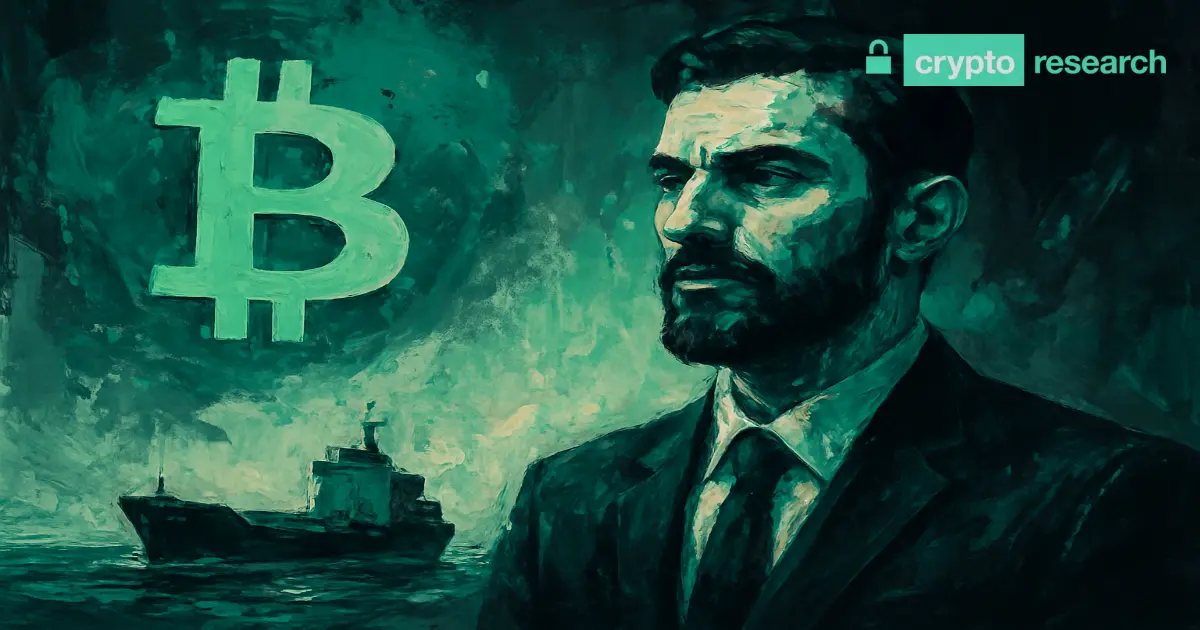


Iran Considers Bitcoin Payments for Strait of Hormuz Transit
Iran is actively exploring a Bitcoin-based toll system aimed at regulating maritime traffic through the strategically significant Strait of Hormuz. This initiative seeks not only to enhance the country’s control over this critical waterway, which facilitates about 20% of the world’s oil shipments but also to potentially generate upwards of $10 billion in revenue through innovative financial instruments, including marine insurance policies. The proposal indicates a shift in Iran’s economic strategy in response to ongoing geopolitical pressures and sanctions.
Context
The Strait of Hormuz serves as a key junction for global oil trade, with a staggering daily throughput of approximately 17 million barrels as of 2023, according to the U.S. Energy Information Administration. In recent months, tensions have escalated due to the U.S.-Iran conflict, marked by military confrontations and aggressive posturing from both sides. Amid these tensions, Iran has reportedly begun imposing tolls on vessels passing through the strait—a method not previously enforced before the rise of hostilities in 2018. This new approach aims to secure revenue streams in a period of economic strain.
Key Details
According to a report by Fars News Agency, linked to the Islamic Revolutionary Guard Corps, the Iranian Ministry of Economic Affairs is spearheading the initiative to manage marine traffic via an integrated insurance framework. This framework is designed to facilitate the issuance of various marine insurance policies and certificates of financial responsibility, which can be paid in Bitcoin. Such measures are part of a broader plan that could potentially bring in over $10 billion to Iran’s economy, a substantial figure given the current economic landscape.
Screenshots of a webpage titled “Hormuz Safe” have surfaced on social media platforms, promoting “Secure Digital Insurance for Maritime Cargo.” While the site’s authenticity remains unverified, its emergence hints at Iran’s serious consideration of accepting Bitcoin for maritime insurance payments. This could signify a major shift in Iran’s financial dealings, particularly as it pertains to circumventing restrictive international sanctions.
Further detailing the proposal, Hamid Hosseini, spokesperson for Iran’s Oil, Gas and Petrochemical Products Exporters’ Union, announced in early April 2026 that certain ships would incur a fee of $1 per barrel of oil in Bitcoin for safe transit through the Strait of Hormuz. He emphasized that vessels would have a brief window to complete these transactions, reflecting a need for speed and anonymity to avoid detection and confiscation linked to existing sanctions. This model suggests a calculated method of revenue collection designed to empower Iran’s maritime capabilities while limiting international scrutiny.
Implications
The move to adopt Bitcoin for toll payments highlights Iran’s strategic maneuvering in utilizing cryptocurrency as a tool to bypass economic sanctions and fortify its influence over shipping routes critical to global energy supply. If successful, this initiative could pave the way for other countries facing similar economic pressures to explore cryptocurrency as a legitimate means of conducting international trade. This moment marks a potential paradigm shift in trade dynamics and the burgeoning role of digital currencies in shaping global commerce.
Outlook
As of May 18, 2026, Iranian officials have not yet provided formal confirmation regarding the full implementation of the proposed Bitcoin-based toll system. The current environment remains dynamic, with many stakeholders—including shipping companies, geopolitical analysts, and international policy makers—closely monitoring developments. Key upcoming events to watch include official statements from Iranian policymakers and any subsequent operational launches of toll collection platforms. The outcomes will likely influence not only Iran’s economic landscape but also the broader discourse surrounding cryptocurrency’s role in international trade and finance.