



So, you’re looking into Bitcoin ETFs, huh? It can feel like a maze sometimes, trying to figure out which one is best for you. Today, we’re going to talk about the Fidelity Wise Origin Bitcoin Fund, or FBTC. A big part of understanding any ETF is looking at its costs, and that’s where the FBTC expense ratio comes into play. It’s a number that might seem small, but it really matters for your investment over time. Let’s break down what that fbtc expense ratio means and why you should pay attention to it.
Key Takeaways
- The FBTC ETF is designed to give you exposure to Bitcoin’s price movements without the trouble of buying and holding the digital coin yourself. Fidelity manages the fund, aiming to match Bitcoin’s daily price.
- This fund actually holds Bitcoin directly. That means its performance is directly linked to how Bitcoin is doing in the market. There aren’t other investments mixed in; it’s all about BTC.
- Investing in the FBTC ETF comes with significant risk because Bitcoin’s price can swing wildly. You need to be prepared for big ups and downs and the possibility of losing money.
- Launched in January 2024, FBTC uses Fidelity’s secure custodial services, keeping most of the Bitcoin in cold storage for safety. The fbtc expense ratio is 0.25%.
- This ETF is a good fit for investors who understand and are comfortable with high risk, want to invest in Bitcoin, but don’t want to handle digital assets directly. Just remember, you can only trade it during stock market hours, not 24/7 like Bitcoin itself.
Understanding the FBTC Expense Ratio
Defining the FBTC Expense Ratio
The expense ratio for the Fidelity Wise Origin Bitcoin Fund (FBTC) is essentially the yearly fee charged by Fidelity to manage the fund. Think of it like a small percentage of your investment that goes towards operational costs, like administration and compliance. For FBTC, this ratio is set at 0.25%. This means for every $1,000 you have invested in the fund, you’ll pay $2.50 annually. It’s a pretty standard fee for an ETF, especially one dealing with a newer asset class like Bitcoin.
Implications of the FBTC Expense Ratio on Returns
While 0.25% might sound small, it does have an effect on your overall returns over time. It’s a cost that eats into any gains you might make from Bitcoin’s price going up. If Bitcoin goes up 10% in a year, your net gain would be slightly less than 10% after the expense ratio is factored in. Over many years, these small fees can add up. It’s important to remember that this fee is charged regardless of whether the fund is making money or losing money; it’s an ongoing cost.
The expense ratio is a direct reduction of your investment’s performance. While seemingly minor, its compounding effect over extended periods warrants careful consideration by investors.
Comparing FBTC Expense Ratio to Other Bitcoin ETFs
When you look at other Bitcoin ETFs out there, FBTC’s 0.25% expense ratio is quite competitive. Some ETFs might charge more, perhaps 0.50% or even higher, especially if they are newer or have different management strategies. Others might offer a lower initial fee, sometimes as a promotional tactic. It’s a good idea to compare these ratios directly when deciding which Bitcoin ETF to invest in. A lower expense ratio generally means more of your investment returns stay in your pocket.
Here’s a quick look at how expense ratios can vary:
| ETF Name | Expense Ratio |
|---|---|
| FBTC | 0.25% |
| Competitor ETF A | 0.40% |
| Competitor ETF B | 0.30% |
| Competitor ETF C | 0.55% |
Keep in mind that these ratios can change, so it’s always wise to check the latest figures before making an investment decision.
Operational Mechanics of the FBTC ETF
Direct Bitcoin Holdings Strategy
The Fidelity Wise Origin Bitcoin Fund (FBTC) operates with a clear strategy: it directly holds actual Bitcoin. This is a pretty big deal because it means the fund isn’t messing around with futures contracts or other complicated financial tools to get its exposure. When you buy shares of FBTC, you’re essentially buying into a fund that owns Bitcoin. This direct ownership is the main way the fund aims to keep its price in sync with Bitcoin’s real-time market value. The idea is to give investors a straightforward connection to how Bitcoin is doing on the market.
- Direct ownership of Bitcoin
- Avoids futures contracts and derivatives
- Aims for close tracking of Bitcoin’s spot price
Passive Management Approach
FBTC follows a passive management style. This isn’t about a team of analysts trying to outsmart the market. Instead, the fund’s managers focus on making sure the fund’s holdings accurately reflect Bitcoin. They aren’t trying to pick the best time to buy or sell; they’re just aiming to replicate Bitcoin’s performance. This approach is designed to be predictable for investors.
This passive strategy means the fund’s performance is largely tied to the ups and downs of Bitcoin itself, rather than the decisions of a fund manager.
Fidelity’s Custodial Services
Keeping the Bitcoin safe is a big part of how FBTC works. Fidelity uses its own in-house custodial services for this. This means they handle the storage of the digital assets. They generally keep the majority of the Bitcoin in secure digital vaults, often referred to as cold storage, which is considered a more secure way to hold digital currencies.
| Service Provided |
|---|
| Bitcoin Custody |
| Cold Storage |
| Security Protocols |
Investment Objective and Risk Profile
Tracking Bitcoin’s Spot Price
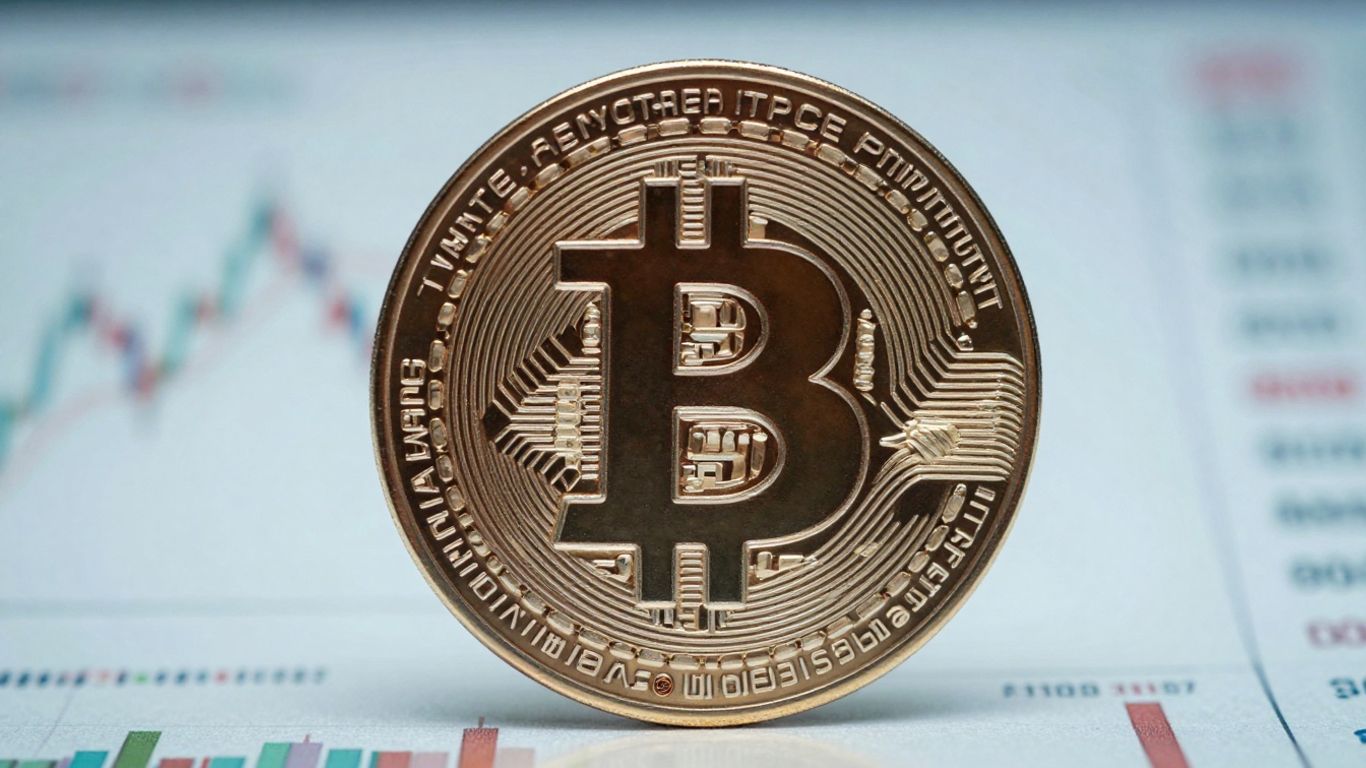
The primary goal of the Fidelity Wise Origin Bitcoin Fund (FBTC) is to closely follow the real-time price of Bitcoin. It does this by holding actual Bitcoin, not by using futures contracts or other financial tools. This direct approach means the fund’s value is meant to move pretty much in step with Bitcoin’s price on exchanges. It’s a straightforward way to get exposure to the digital currency’s performance without needing to manage the asset yourself.
Assessing the High-Risk Nature of FBTC
It’s important to understand that investing in FBTC comes with significant risks. Bitcoin itself is known for its wild price swings, and this volatility is directly reflected in the ETF. An investment in FBTC is considered high risk and is not suitable for everyone. If you can’t afford to lose a portion, or even all, of your investment, or if you might need the money back in the short term, this ETF is likely not a good choice. The fund’s value can drop sharply, just like Bitcoin’s price can. While Fidelity handles the practicalities, the underlying asset’s risks remain.
Suitability for Risk-Tolerant Investors
Given the inherent volatility, FBTC is best suited for investors who have a high tolerance for risk. This means you should be comfortable with the possibility of substantial price fluctuations and potential losses. It’s not intended to be a complete investment plan but rather a way to add a speculative digital asset to a diversified portfolio. Investors should be prepared for the unpredictable nature of the cryptocurrency market. For those looking for a more stable investment, other options might be more appropriate. You can find more details about Fidelity’s Bitcoin ETF to help with your decision.
Cost Structure and Financial Considerations
When you invest in the Fidelity Wise Origin Bitcoin Fund (FBTC), there are costs involved that chip away at your potential gains. The main one to watch is the expense ratio. This is basically an annual fee that Fidelity charges to run the fund. For FBTC, this fee is set at 0.25%. So, for every $1,000 you have invested, you’re paying $2.50 each year just to keep the fund going. It might not sound like a lot, but over time, these fees add up.
Annual Management Fees
The annual management fee, or expense ratio, is a standard part of most exchange-traded funds. It covers things like the costs of managing the fund’s assets, administrative expenses, and operational overhead. For FBTC, this fee is a fixed percentage of the total assets under management. It’s important to remember that this fee is charged regardless of how the fund performs. Even if Bitcoin’s price drops, you’ll still be paying that 0.25%.
Calculating Annual Costs
Figuring out your yearly cost is pretty straightforward. You take your total investment amount and multiply it by the expense ratio. For example, if you’ve invested $10,000 in FBTC, your annual cost would be $10,000 times 0.25% = $25. If your investment grows to $20,000, the annual fee would then be $50. It’s a direct cost that reduces your net return.
Here’s a quick look at how it breaks down:
- Investment Amount: $1,000
- Expense Ratio: 0.25%
- Annual Fee: $2.50
- Investment Amount: $5,000
- Expense Ratio: 0.25%
- Annual Fee: $12.50
- Investment Amount: $10,000
- Expense Ratio: 0.25%
- Annual Fee: $25.00
Impact of Expense Ratio on Investment Growth
Even a small expense ratio can have a noticeable effect on your investment growth over the long haul. Think about it: that 0.25% isn’t just a small number; it’s money that could otherwise be compounding within your investment. While FBTC’s expense ratio is quite competitive compared to some other options, like the Grayscale Bitcoin Trust (GBTC) which has a higher fee, it’s still a factor to consider for maximizing your returns. Over many years, the difference between a 0.25% fee and a higher one can amount to thousands of dollars. This is why comparing expense ratios is a smart move when choosing any ETF, including those focused on digital assets.
The ongoing cost of holding an ETF, represented by its expense ratio, directly subtracts from the fund’s performance. While seemingly minor on an annual basis, the cumulative effect of these fees over extended investment periods can significantly impact the final value of an investor’s holdings. Therefore, understanding and comparing these costs is a practical step for any investor aiming for optimal long-term growth.
It’s also worth noting that beyond the expense ratio, you might encounter other costs. These can include brokerage commissions when you buy or sell shares, depending on your broker’s fee structure. These trading costs are separate from the fund’s management fee. For those looking to simplify their digital asset investment, understanding these financial aspects is key.
FBTC ETF Versus Direct Bitcoin Ownership

When thinking about investing in Bitcoin, you’ve got a couple of main paths: buying it directly on a crypto exchange or going through a more traditional route like the FBTC ETF. Each has its own set of pros and cons, and what works best really depends on what you’re looking for.
Accessibility Through Traditional Brokerages
One of the biggest draws of the FBTC ETF is how easy it is to buy. If you already have a brokerage account, you can likely purchase shares of FBTC just like you would any other stock. This means you don’t need to set up a new account with a cryptocurrency exchange, worry about private keys, or deal with the sometimes-confusing world of digital wallets. This integration into familiar financial systems makes Bitcoin more approachable for many investors. It’s a way to get exposure to Bitcoin without having to learn a whole new set of tools and procedures. For those who prefer to keep their investments consolidated, this is a big plus. You can also find that Bitcoin ETFs can offer tax advantages in some regions compared to direct Bitcoin ownership [7a6f].
Trading Hours Limitations
This is where things get a bit different. The FBTC ETF trades on traditional stock exchanges. That means it operates on the standard market hours – typically Monday through Friday, from morning to late afternoon. If a big price move happens in Bitcoin overnight or on a weekend, you won’t be able to react by buying or selling FBTC shares until the market reopens. Direct Bitcoin ownership, on the other hand, is a 24/7 game. The cryptocurrency market never closes. So, if you’re someone who wants to be able to trade or monitor your holdings at any hour, direct ownership offers that flexibility. The FBTC ETF, while convenient, is bound by the clock.
Simplifying Digital Asset Investment
Let’s break down what makes investing in FBTC simpler compared to buying Bitcoin directly:
- No Wallet Management: You don’t have to worry about securing private keys or choosing a digital wallet. Fidelity handles the custody of the actual Bitcoin.
- Regulatory Framework: ETFs operate within established financial regulations, which can provide a sense of security and oversight for some investors.
- Streamlined Transactions: Buying and selling FBTC shares is as simple as trading any other security through your existing brokerage platform.
While direct Bitcoin ownership offers the purest form of control and 24/7 access, it also comes with a steeper learning curve and requires a higher degree of personal responsibility for security and transaction management. The FBTC ETF smooths out many of these complexities, acting as a bridge for those who want Bitcoin exposure within a more conventional investment framework.
Here’s a quick look at how they stack up:
| Feature | FBTC ETF | Direct Bitcoin Ownership |
|---|---|---|
| Trading Hours | Standard Stock Market Hours (Mon-Fri) | 24/7/365 |
| Account Requirement | Traditional Brokerage Account | Cryptocurrency Exchange Account |
| Custody Responsibility | Fund Manager (Fidelity) | Investor |
| Complexity | Lower | Higher |
| Price Tracking | Tracks spot price (minus expenses) | Direct market price |
Performance and Volatility Analysis
Correlation with Bitcoin’s Price Movements
The FBTC ETF is designed to track the price of Bitcoin. This means its performance is pretty much tied to how Bitcoin does on the market. When Bitcoin’s price goes up, FBTC’s value tends to go up too, and when Bitcoin’s price drops, FBTC usually follows suit. This close relationship is the main reason people invest in it – to get exposure to Bitcoin’s price action without actually owning the cryptocurrency directly. Because it’s a passive fund, it doesn’t try to beat Bitcoin; it just aims to match it. So, if you’re looking at FBTC’s returns, you’re really looking at Bitcoin’s returns, minus the small management fee.
Understanding Short-Term Fluctuations
Bitcoin, and by extension FBTC, can be pretty wild in the short term. Prices can jump up or down quite a bit in a single day, or even over a few hours. This is what we call volatility. It’s not unusual for the fund’s value to swing by a few percentage points daily. This can be exciting for some traders, but it also means the value of your investment can change rapidly. It’s important to remember that these short-term moves don’t always predict what will happen long-term.
The digital asset market is known for its rapid price shifts. Investors should be prepared for significant ups and downs in the value of their holdings over short periods. This inherent characteristic of Bitcoin directly influences the performance of ETFs that track it.
Historical Performance Data Limitations
Since the Fidelity Wise Origin Bitcoin Fund (FBTC) only started trading in January 2024, it doesn’t have a long history to look back on. This means we don’t have years of data to see how it performs through different market cycles. While its performance since launch has largely mirrored Bitcoin’s movements, this is a very short period. Past performance is never a guarantee of what will happen in the future, especially in a market as new and dynamic as cryptocurrency. When considering an investment, it’s wise to look at the available data but also understand its limitations and the broader risks involved.
Here’s a look at how FBTC has performed relative to Bitcoin since its inception (data is illustrative and subject to change):
| Period | FBTC Approximate Return | Bitcoin Approximate Return |
|---|---|---|
| Since Inception | +70% | +72% |
| Last Month | -5% | -4.8% |
| Last 3 Months | -20% | -19.5% |
Note: These figures are hypothetical and meant to illustrate the correlation. Actual performance data should be consulted from reliable financial sources.
Final Thoughts on FBTC and Your Investment
So, we’ve talked a lot about the Fidelity Wise Origin Bitcoin Fund, or FBTC. It’s pretty neat how it lets you get a piece of Bitcoin without all the usual headaches of buying and storing it yourself. Fidelity handles that part. But remember, Bitcoin itself is a wild ride, and FBTC goes up and down with it. That 0.25% expense ratio is a small yearly cost, but the big thing to watch is how Bitcoin’s price moves. It’s not for everyone, especially if you can’t handle big price swings or need your money soon. If you’re okay with the risks and want to add Bitcoin to your investments in a more traditional way, FBTC could be something to look at. Just make sure you really understand what you’re getting into before you put any money down.
Frequently Asked Questions
What is the FBTC Expense Ratio?
The FBTC expense ratio is like a small yearly fee that Fidelity charges to manage the Bitcoin ETF. It’s a tiny percentage of the money you invest, and it helps cover the costs of running the fund. Think of it as a service charge for making it easy to invest in Bitcoin through the stock market.
How does the FBTC Expense Ratio affect my investment?
The expense ratio slightly reduces your overall earnings. If the expense ratio is 0.25%, it means for every $100 you invest, $0.25 goes towards the fund’s management each year. While it’s a small amount per dollar, it adds up over time and can make a difference in how much your investment grows.
Is the FBTC Expense Ratio high compared to other Bitcoin ETFs?
Fidelity’s expense ratio for FBTC is generally considered competitive. Many Bitcoin ETFs have similar fees, and some might be higher. It’s always a good idea to compare the expense ratios of different Bitcoin ETFs to find the one that offers the best value for your money.
Does FBTC hold actual Bitcoin?
Yes, the FBTC ETF is designed to hold actual Bitcoin directly. This means the fund buys and stores Bitcoin. Its value is directly linked to the price of Bitcoin, making it different from some other funds that might use Bitcoin futures contracts.
Is investing in the FBTC ETF risky?
Yes, investing in the FBTC ETF is considered high risk. Bitcoin’s price can change very quickly and by large amounts, meaning you could make a lot of money, but you could also lose a lot. This ETF is best for people who understand and are comfortable with this level of risk.
Can I buy and sell FBTC anytime, like Bitcoin?
No, you can’t trade the FBTC ETF 24/7 like you can with Bitcoin itself. Since it’s an ETF, you can only buy and sell it during regular stock market trading hours, which are typically on weekdays. Bitcoin, on the other hand, trades all day, every day.