




It feels like digital assets are everywhere these days, doesn’t it? From the news to just chatting with friends, it’s hard to ignore. What started as a bit of a niche thing has really grown up, and now we’re seeing big players get involved. This whole area, especially with the rise of different investment options like growth funds, is becoming a pretty interesting space to watch. It’s not just about buying coins anymore; there’s a whole ecosystem forming around it, and that’s what we’re going to explore. So, what is a crypto hedge fund and how does it fit into this picture?
Key Takeaways
- The digital asset world has moved past its early days and is now attracting significant interest from larger institutions, partly thanks to new investment products like ETFs.
- Venture capital funds focused on blockchain and crypto are becoming a more common way for investors to get involved, offering a different path than just buying digital coins directly.
- New technologies like AI are starting to blend with blockchain, and the idea of representing real-world things like property as digital tokens is gaining traction.
- Investing in this space can offer ways to diversify portfolios, get in on new tech early, and potentially hedge against inflation.
- The growth fund ecosystem in crypto is still evolving, but it presents opportunities for accessing innovation and potentially significant long-term growth.
Understanding What Is a Crypto Hedge Fund
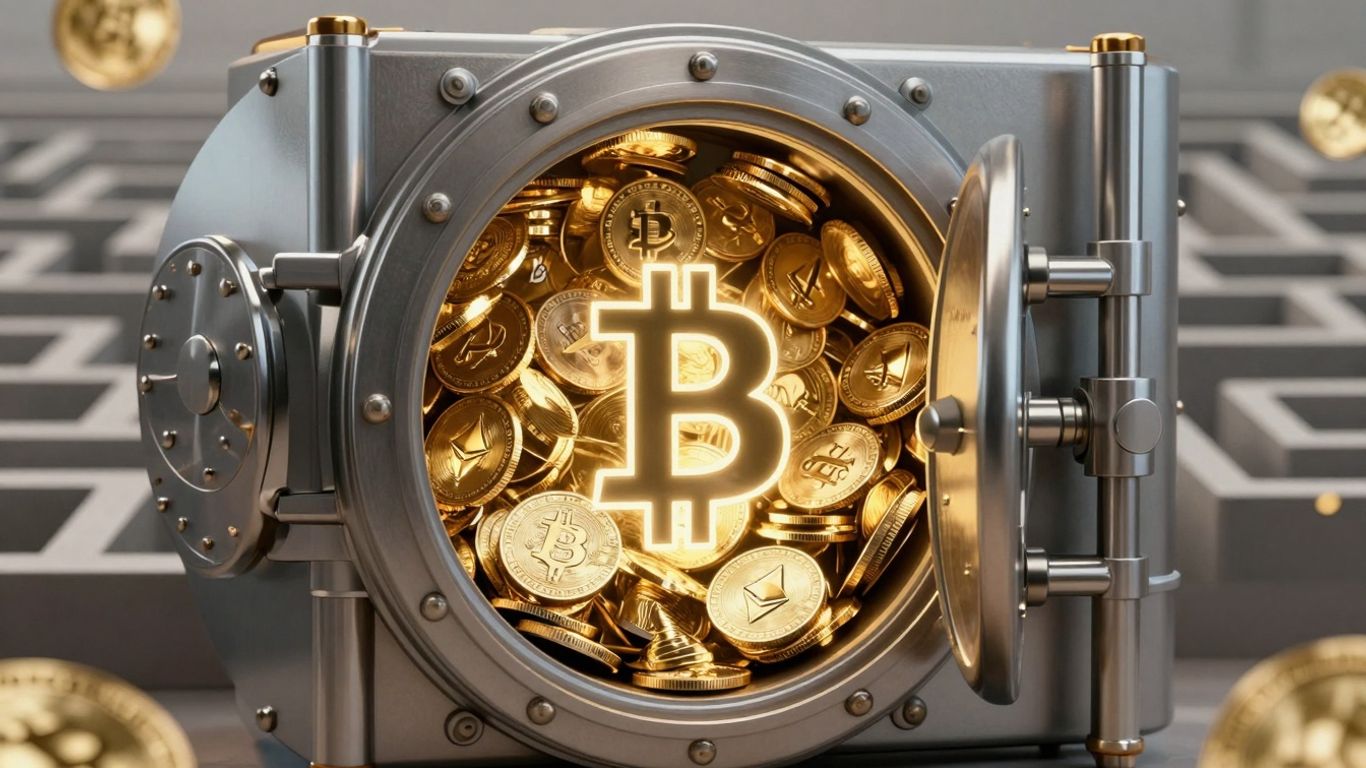
The Evolving Landscape of Digital Assets
The world of digital assets has changed a lot, and it keeps changing. It started with things like Bitcoin, which was pretty new and kind of confusing for most people. Back then, it was mostly tech enthusiasts and early adopters playing around with it. But now, it’s way bigger. We’ve got all sorts of digital things, not just money like Bitcoin, but also digital art, virtual land, and ways to manage money without banks. It’s like the internet in the early days – a bit messy, but full of new ideas.
The core idea of a crypto hedge fund is to pool money from investors and then use that money to make active bets in the digital asset market. They aren’t just buying and holding; they’re trying to make money by trading, using different strategies, and managing risk. It’s a way for people who want to invest in crypto but don’t want to do all the research and trading themselves. These funds aim to perform better than just buying and holding, especially in a market that can swing wildly. They often focus on specific types of digital assets or use complex trading methods to try and get ahead. It’s a more professional approach to a very new and often unpredictable market. You can find more about how these funds operate on pages about crypto hedge funds.
Foundational Technologies and Early Innovations
When crypto first showed up, it was all about the technology behind it, mainly blockchain. This was the big innovation that made things like Bitcoin possible. It’s a way to record transactions securely and transparently across many computers, so no single person or group can easily change things. Early on, people were excited about the potential for this technology to change more than just money – maybe how we vote, how we track goods, or how we manage records. It was a time of a lot of experimentation, with developers building new kinds of digital coins and trying out different ways to use blockchain.
- Decentralization: The idea that no single entity controls the network.
- Cryptography: Using complex math to secure transactions and control the creation of new units.
- Distributed Ledgers: A shared record of transactions spread across many computers.
This period was marked by a strong belief in the power of these new technologies to create more open and fair systems. It was less about making quick money and more about building the future.
Maturation of the Cryptoasset Sector
Over time, the crypto space has started to grow up a bit. It’s not just a few tech geeks anymore. Big companies are looking at it, governments are starting to think about rules, and more regular people are getting interested. We’re seeing more sophisticated tools and services being built, making it easier for people to buy, sell, and use digital assets. The types of digital assets have also expanded way beyond just cryptocurrencies. We now have things like stablecoins, which are designed to keep their value steady, and non-fungible tokens (NFTs), which represent ownership of unique digital items. This growth means more opportunities but also more complexity for investors. It’s becoming a more organized, though still very dynamic, market.
The Role of Venture Capital in Digital Asset Investment
Venture Capital’s Role in the Growth Fund Ecosystem
Venture capital (VC) has become a significant force in the digital asset space, particularly within the context of growth funds. These firms act as early-stage investors, injecting capital into promising crypto projects before they achieve widespread recognition. Their involvement isn’t merely financial; VCs often provide strategic guidance and operational support, helping nascent companies navigate the complexities of the blockchain industry. This active participation is key to the development of the broader crypto ecosystem. The influx of venture capital into the crypto sector demonstrates continued institutional confidence in the industry’s potential. For instance, venture capital firms have invested substantial amounts in the crypto sector, signaling a belief in its long-term viability even during market fluctuations. This type of investment is a primary driver for innovation.
Blockchain and Crypto Venture Capital Strategies
VC firms employ diverse strategies when investing in blockchain and crypto. Some focus on the foundational infrastructure, such as developing new blockchain protocols or enhancing transaction speeds. Others concentrate on applications built atop these networks, including decentralized finance (DeFi) platforms, non-fungible token (NFT) marketplaces, or blockchain-based gaming. A growing area of interest is the integration of artificial intelligence (AI) with blockchain technology, exploring how these fields can complement each other. Additionally, tokenization, the process of representing real-world assets like real estate or art as digital tokens, is another significant investment focus. These strategies aim to capture value across various segments of the digital asset landscape.
Accessing Innovation Through BCVC Funds
Blockchain and crypto venture capital (BCVC) funds offer investors a structured way to gain exposure to this rapidly evolving sector. These funds pool capital from multiple investors, which are then deployed by experienced managers to identify and invest in promising startups. This approach allows individuals to participate in high-growth potential projects without the need for extensive individual research or the ability to access private deals directly. It’s a method for diversifying investments across a range of emerging technologies and business models within the digital asset space. These funds can provide access to deals that might otherwise be unavailable to the general public.
- Infrastructure Investments: Funding core blockchain technology, scalability solutions, and interoperability protocols.
- Application Development: Supporting decentralized applications (dApps), DeFi services, and Web3 platforms.
- Emerging Trends: Investing in areas like AI integration, tokenization of real-world assets, and decentralized identity solutions.
The performance of specialized crypto VC funds has, in many cases, outpaced traditional venture capital over recent years. This success is often attributed to a deep understanding of the unique dynamics and technological advancements within the digital asset market. However, it’s important to acknowledge the inherent volatility associated with these investments, as the value of fund holdings can fluctuate significantly.
Strategic Positioning Within Crypto Growth Funds
When you’re thinking about putting money into crypto growth funds, it’s not just about picking the next big coin. It’s more about how these funds help you spread your investments around and get into new areas that are popping up.
Diversification and Access to New Markets
Putting money into growth funds focused on digital assets can be a smart move for spreading out your investments. It’s not just about buying Bitcoin or Ethereum anymore; these funds look at a whole range of things, like the tech behind blockchain, new applications, and even how artificial intelligence fits in. This means you get exposure to areas that are developing really fast, often in ways that are quite different from traditional markets. Think of it like finding new neighborhoods to invest in before everyone else does. These funds can open doors to markets that are hard to get into on your own, especially if you’re not a big institution.
Participating in Emerging Technologies
Growth funds are really about getting in on the ground floor of new ideas. In the crypto world, this means investing in projects that are building the next generation of the internet (Web3), creating new ways to manage money (DeFi), or finding ways to represent real-world items like property as digital tokens. It’s a bit like investing in tech startups years ago, but with digital assets. The potential upside can be huge if these technologies take off. However, it’s also important to remember that these are new areas, so there’s a good amount of risk involved. Picking the right fund manager who really gets this tech is key.
Mitigating Inflationary Pressures
Some people look at digital assets, especially certain types of tokens or even Bitcoin, as a way to protect their money from inflation. The idea is that unlike traditional currencies, which governments can print more of, some digital assets have a limited supply. Growth funds might include these types of assets in their portfolios. While it’s not a guaranteed shield against rising prices, it’s a strategy some investors are exploring to try and keep their purchasing power over time. It’s a complex topic, and whether it works depends a lot on how the economy and these digital assets perform.
The digital asset space is still quite new, and while it offers exciting possibilities for growth, it also comes with its own set of risks. Understanding where a fund is placing its bets and how that aligns with your own comfort level for risk is super important. It’s not a ‘set it and forget it’ kind of thing.
Here’s a look at how these funds can help position your investments:
- Access to Innovation: Get early exposure to technologies like Web3 and DeFi before they become mainstream.
- Market Diversification: Invest in a sector that often moves differently than traditional stock or bond markets.
- Potential Inflation Hedge: Some digital assets within these funds are seen by some as a way to preserve value against currency devaluation.
- Professional Management: Benefit from the expertise of fund managers who specialize in the complex digital asset landscape.
Institutional Adoption and Regulatory Frameworks
Shifting Institutional Sentiment Towards Crypto
It’s pretty clear that big money is starting to look at crypto differently. For a while there, it was mostly seen as a fringe thing, but that’s changing fast. A lot of institutional investors now see digital assets as a real way to make their portfolios work harder, especially for getting better returns without taking on too much extra risk. They’re ranking crypto pretty high, right up there with traditional stocks, which is a huge shift from just a few years ago. This change in how they view the market is a big deal for the whole crypto space. The increasing involvement of institutional investors is arguably the most significant factor behind the recent momentum in digital asset adoption.
Regulatory Clarity and Its Impact
Rules and regulations are a big piece of the puzzle when it comes to institutions feeling comfortable with digital assets. When there are clear guidelines, it helps reduce the risks involved and makes it easier for everyone to follow the law. In some places, uncertainty about the rules has made institutions hesitant to jump in. However, as governments start to put clearer frameworks in place, like defining how financial institutions can handle digital assets, it builds more trust. This move towards clearer regulations is helping to create a safer environment for trading and using digital assets, which is a positive step for institutional investors and the market as a whole. It’s all about making sure things are done in an orderly and secure way.
The journey of digital assets from obscure digital curiosities to a recognized, albeit still developing, asset class is marked by rapid technological evolution and increasing market acceptance. This transformation is reshaping investment strategies and opening new avenues for financial participation.
The Role of Exchange-Traded Funds
Exchange-Traded Funds (ETFs) have become a really important way for institutions to get into the digital asset market. Think of them as a way to buy a basket of assets, but instead of stocks, it’s digital currencies. This makes it much simpler for large investors to add crypto exposure to their portfolios. The introduction of ETFs has already led to a lot of money flowing into the market, showing just how much demand there was for easier access. This development could be a turning point, paving the way for more types of crypto funds to appear. It’s still early days for digital assets, but things like ETFs are making a big difference.
Here’s a look at how different types of institutions are involved:
- Hedge Funds & Prop Trading Desks: These are often the biggest holders, acting as liquidity providers and active traders. Think firms like Millennium or Jane Street. A lot of this money is about market making, not just long-term holding.
- Sovereign Wealth Funds: Some global players, like those from Abu Dhabi, are also showing interest.
- Investment Advisors: This group is growing, but their footprint in crypto is still smaller compared to traditional stock ETFs. They are starting to buy more, though.
While institutional interest is real and growing, crypto ETFs are still largely driven by individual investors. The big institutional money is coming, but it hasn’t completely taken over yet.
Key Considerations for Digital Asset Investment
Manager Selection and Portfolio Construction
When looking at crypto hedge funds, picking the right manager is a big deal. It’s not just about who has the best returns from last year, because that can change fast. You want to see if they really get how this market works, which is still pretty new compared to stocks or bonds. Think about their history, how they handle risk, and if they have a clear plan for how they’re going to invest your money. Building a good portfolio in this space means not putting all your eggs in one basket. You need to think about different types of digital assets – maybe some established ones like Bitcoin, and then some smaller, newer ones that could grow a lot, but also come with more risk. It’s a balancing act.
Due Diligence and Alignment
Before you hand over any money, you’ve got to do your homework. This means really digging into the fund’s strategy. Are they using complex trading methods? Are they investing in early-stage projects? Understanding exactly what you’re investing in is super important. You also want to make sure the fund manager’s goals line up with yours. If you’re looking for steady growth, but they’re chasing very high, risky returns, that’s a mismatch. Check their fees, how often they report, and what their exit strategy looks like. It’s like checking the ingredients list on food – you want to know what’s really in there.
Diversification Strategies
Diversifying in digital assets isn’t just about buying a few different cryptocurrencies. It’s about spreading your investment across different types of digital assets and strategies. For example, some funds might focus on Bitcoin and Ethereum, while others might explore decentralized finance (DeFi) protocols, non-fungible tokens (NFTs), or even digital asset infrastructure companies. You might also consider diversifying across different geographic regions or technological approaches within the blockchain space.
Here are a few ways to think about diversification:
- Asset Class Diversification: Spreading investments across different types of digital assets (e.g., store of value, utility tokens, governance tokens).
- Strategy Diversification: Using various investment approaches (e.g., long-only, arbitrage, venture capital).
- Technological Diversification: Investing in projects built on different blockchain platforms or using distinct consensus mechanisms.
The digital asset market, while offering potential for high returns, is also known for its volatility. A well-thought-out diversification plan can help smooth out the ride, reducing the impact of any single asset’s poor performance on your overall portfolio. It’s about building resilience in a rapidly changing environment.
The Future Trajectory of Digital Assets

Potential for Financial Democratization
The way we think about money and investing is changing, and digital assets are a big part of that. For a long time, getting into certain investments was tough for regular folks. You needed a lot of money, or special connections, or just to be in the right place. Digital assets, especially with things like tokenization, are starting to break down those walls. Imagine owning a tiny piece of a big building or a famous piece of art – that’s becoming possible now. This means more people, not just the super-rich, can get a shot at growing their wealth. It’s about making financial tools available to everyone, no matter where they live or how much they have to start with.
Synergistic Value Chains with Emerging Technologies
It’s not just about finance on its own. Digital assets are starting to play nicely with other new tech. Think about artificial intelligence (AI) and how it’s getting smarter. Now, imagine combining that with the secure, transparent way blockchain works. This could lead to some really interesting new services and products we haven’t even thought of yet. For example, AI could help manage decentralized networks more efficiently, or smart contracts could automate complex agreements based on AI predictions. It’s like putting different puzzle pieces together to create a bigger, more useful picture.
Long-Term Growth Prospects
Looking ahead, the digital asset space seems set for continued growth. We’ve seen a lot of ups and downs, sure, but the underlying technology and the increasing interest from big companies and even governments suggest this is more than just a fad. As regulations become clearer and the technology gets easier to use, more people and businesses will likely jump in. This steady adoption, combined with new innovations, points towards a future where digital assets are a normal part of our financial lives, not something strange and new. The market cap has grown significantly, showing a strong upward trend.
Here’s a look at some key trends supporting this growth:
- Institutional Interest: Large financial institutions are increasingly allocating capital to digital assets, signaling growing acceptance.
- Technological Advancements: Ongoing improvements in blockchain technology, such as faster transaction speeds and enhanced security, are making digital assets more practical.
- Regulatory Developments: As regulatory frameworks become clearer, they reduce uncertainty and encourage broader adoption by both individuals and institutions.
- Expanding Use Cases: Beyond currency, digital assets are finding applications in areas like digital art (NFTs), decentralized finance (DeFi), and supply chain management.
The journey of digital assets from obscure digital curiosities to a recognized, albeit still developing, asset class is marked by rapid technological evolution and increasing market acceptance. This transformation is reshaping investment strategies and opening new avenues for financial participation.
Wrapping Up: The Evolving World of Crypto Funds
So, we’ve looked at how crypto hedge funds, especially the growth-focused ones, are becoming a bigger deal. It’s not just about buying digital coins anymore; it’s about investing in the companies and tech that are building this whole new digital space. Things like decentralized finance, new ways to use AI, and even turning real-world stuff into digital tokens are all part of it. Plus, with more big players getting involved and clearer rules starting to appear, it feels like things are getting more serious. It’s still a new area, for sure, and there’s a lot to figure out, but the potential for growth seems pretty big. For anyone looking to spread out their investments and get a piece of what might be the future, these funds are definitely worth a closer look. Remember, the digital asset journey is still pretty new, and while past results don’t predict the future, the constant new ideas and how they’re fitting into the bigger economy suggest there’s a good chance for value over time. Being smart about the risks and how you put your money in will be key for investors wanting to do well in this changing scene.
Frequently Asked Questions
What exactly is a crypto hedge fund?
Think of a crypto hedge fund like a special club for investors who want to put their money into digital things like Bitcoin or other cryptocurrencies. Instead of just buying and holding these digital assets, these funds use smart strategies to try and make more money, sometimes by betting on prices going up or down. They’re often managed by experts who know the crypto world really well.
Are crypto hedge funds only for super-rich people?
Traditionally, hedge funds often required a lot of money to join. However, the world of crypto is changing things. While some crypto hedge funds still have high minimums, there’s a growing trend towards making these kinds of investments more accessible. Some funds are trying to offer ways for more people to get involved, especially as the market matures and new types of investment products emerge.
How do crypto hedge funds make money?
These funds use various methods. They might buy digital currencies they believe will increase in value, or they might use more complex techniques like short-selling (betting on prices falling) or investing in related companies. The goal is to generate profits regardless of whether the overall crypto market is going up or down, though this also comes with higher risks.
What’s the difference between a crypto hedge fund and just buying crypto?
Buying crypto yourself means you pick and manage your own digital assets. A crypto hedge fund, on the other hand, is managed by professionals who use advanced strategies and tools to invest a pool of money from many investors. They aim to achieve higher returns than simply holding crypto, but this also means they charge fees for their services and expertise.
Are crypto hedge funds risky?
Yes, investing in crypto hedge funds carries significant risks. The value of digital assets can change very quickly, and the strategies used by hedge funds can be complex. There’s always a chance of losing money. It’s crucial to understand these risks and only invest what you can afford to lose, after doing thorough research.
Why are big companies starting to invest in crypto?
Many big companies, or institutions, are looking at crypto because they see its potential. They believe digital assets could be a good way to grow their money, diversify their investments beyond traditional options, and stay ahead of new technological trends. Plus, as the rules around crypto become clearer, it makes these big players feel more comfortable investing.