Home Blog Page 12

Fidelity’s FBTC ETF: A Comprehensive Guide to the Wise Origin Bitcoin Fund

0
Fidelity Bitcoin ETF coin with abstract financial background.

So, you’re thinking about getting into Bitcoin but the whole direct buying and holding thing feels like a hassle? Yeah, I get it. It’s a whole different world with wallets and exchanges. That’s where something like the Fidelity Wise Origin Bitcoin Fund, or FBTC ETF, comes into play. It’s basically Fidelity’s way of letting you get a piece of the Bitcoin action without all the technical stuff. We’re going to break down what this FBTC ETF is all about, how it works, and if it’s even the right move for you.

Key Takeaways

  • The FBTC ETF, managed by Fidelity, offers a way to invest in Bitcoin without directly owning it. It aims to track Bitcoin’s daily price.
  • This fund holds Bitcoin directly, meaning its performance is tied straight to the price of Bitcoin. There aren’t other ‘top holdings’ because it’s all about BTC.
  • Investing in the FBTC ETF comes with high risk due to Bitcoin’s volatility. You should be ready for big price swings and the potential to lose money.
  • Launched in January 2024, the FBTC ETF has substantial assets under management. It uses Fidelity’s custodial services, with most Bitcoin held in secure cold storage.
  • This ETF is suitable for investors comfortable with high risk who want Bitcoin exposure but prefer not to manage digital assets themselves, though it trades only during market hours, unlike Bitcoin itself.

Understanding the Fidelity Wise Origin Bitcoin Fund (FBTC ETF)
Fidelity Bitcoin ETF coin with financial background

FBTC ETF: An Overview

The Fidelity Wise Origin Bitcoin Fund, often referred to by its ticker FBTC, represents a significant development in how investors can access digital assets. Launched on January 10, 2024, this exchange-traded fund (ETF) is managed by Fidelity Investments. Its primary goal is to provide investors with a straightforward way to gain exposure to the price movements of Bitcoin, the world’s leading cryptocurrency. FBTC aims to mirror the daily spot price of Bitcoin in U.S. dollars, minus fund expenses. This structure allows individuals to invest in Bitcoin without the complexities of directly managing private keys or navigating cryptocurrency exchanges.

Investment Objective and Strategy

The investment objective of the FBTC ETF is quite direct: to track the performance of Bitcoin. Fidelity employs a passive management strategy, meaning the fund seeks to replicate the movements of its underlying asset rather than actively trying to outperform it. This is achieved by holding Bitcoin directly. The fund’s strategy is designed to offer accessibility to Bitcoin, removing the technical hurdles often associated with acquiring and holding the digital currency yourself. The fund’s holdings are valued daily, using a benchmark rate derived from various Bitcoin spot markets.

Key Fund Characteristics

Several characteristics define the FBTC ETF and its approach to the cryptocurrency market:

  • Direct Bitcoin Holdings: The fund invests directly in Bitcoin, meaning its performance is tied to the cryptocurrency’s market price.
  • Passive Management: FBTC follows a passive strategy, aiming to replicate the performance of the Fidelity Bitcoin Reference Rate.
  • Security Measures: Fidelity emphasizes security, with a substantial portion of the fund’s Bitcoin held in cold storage, a method designed to protect against online threats.
  • No Dividends: Like Bitcoin itself, the FBTC ETF does not distribute dividends.

The FBTC ETF is structured to provide a regulated and accessible entry point into the digital asset space. It aims to simplify Bitcoin investment for a broader audience, including those who might be hesitant to engage directly with cryptocurrency platforms. This approach seeks to bridge the gap between traditional finance and the burgeoning world of digital currencies.

For those interested in the broader landscape of digital asset investment vehicles, understanding the mechanics of such funds is key. You can explore more about how these instruments function by reviewing how ETFs work.

Characteristic Detail
Inception Date January 10, 2024
Management Style Passive
Primary Asset Bitcoin
Expense Ratio (est.) 0.25%
Custody Fidelity’s In-house Custodial Services

Investment Mechanics and Holdings of the FBTC ETF

FBTC ETF: An Overview

The Fidelity Wise Origin Bitcoin Fund, or FBTC, is structured to offer investors a straightforward way to gain exposure to Bitcoin. It operates as an exchange-traded fund (ETF), meaning its shares trade on major stock exchanges just like individual stocks. This makes it accessible to a broad range of investors through standard brokerage accounts. The fund’s primary goal is to mirror the daily price movements of Bitcoin. It achieves this by holding Bitcoin directly, rather than relying on futures contracts or other derivatives. This direct holding approach is a key feature that distinguishes it from some other investment vehicles.

Investment Objective and Strategy

The core objective of the FBTC ETF is to track the spot price of Bitcoin in U.S. dollars. To accomplish this, the fund employs a passive investment strategy. This means it aims to replicate the performance of Bitcoin by holding the digital asset itself. The fund’s management team doesn’t actively try to pick winners or time the market; instead, they focus on ensuring the fund’s holdings accurately reflect the underlying asset. This strategy is designed to provide investors with a clear and predictable exposure to Bitcoin’s price action. The fund uses a price feed from qualified trading platforms to determine Bitcoin’s value.

Key Fund Characteristics

  • Direct Bitcoin Holdings: The FBTC ETF holds Bitcoin directly. This means the fund owns actual Bitcoin, not derivatives or futures contracts related to Bitcoin. This approach is intended to provide a more direct correlation to the spot price of the cryptocurrency.
  • Passive Management: The fund follows a passive investment strategy, aiming to match the performance of Bitcoin. It doesn’t involve active trading or market timing by fund managers.
  • Custodial Security: Fidelity utilizes its in-house custodial services to secure the Bitcoin held by the fund. A significant portion of these assets is kept in cold storage, which is a method of storing digital assets offline to minimize the risk of theft or unauthorized access.
  • Trading: FBTC shares are listed and traded on stock exchanges, allowing for easy buying and selling throughout the trading day via a brokerage account. This offers a level of convenience and liquidity not always found with direct cryptocurrency ownership.

The FBTC ETF’s structure is designed for simplicity and directness. By holding Bitcoin itself and trading on a stock exchange, it aims to bridge the gap between traditional finance and the digital asset space, making Bitcoin investment more accessible for many.

Direct Bitcoin Exposure

One of the most significant aspects of the FBTC ETF is its method of providing exposure to Bitcoin. Unlike some other investment products that might use Bitcoin futures contracts, FBTC directly holds actual Bitcoin. This means that when you invest in FBTC, you are essentially buying a share of a fund that owns Bitcoin. This direct ownership is designed to ensure that the ETF’s performance closely tracks the real-time price of Bitcoin. The fund’s strategy is built around acquiring and holding Bitcoin, with the goal of reflecting its market value. This approach is a key differentiator for investors seeking a straightforward connection to the cryptocurrency’s price movements. The fund’s objective is to track the daily USD spot price of Bitcoin, and its direct holdings are central to achieving this goal. This makes it a cost-effective way to gain exposure to Bitcoin.

Asset Allocation and Top Holdings

The asset allocation for the Fidelity Wise Origin Bitcoin Fund is remarkably straightforward. The fund is designed to invest 100% of its assets in Bitcoin. This means there are no other significant holdings like bonds, stocks, or cash equivalents that dilute the exposure to the primary digital asset. Consequently, the top and only holding of the FBTC ETF is Bitcoin itself. This singular focus simplifies the investment thesis: investors are gaining exposure solely to the performance of Bitcoin. The fund’s structure is built around this concentration, aiming to provide a pure play on the cryptocurrency’s price.

Asset Class Percentage Allocation
Bitcoin 100.00%

Replication Methodology

The FBTC ETF employs a passive replication methodology to achieve its investment objective. This means the fund aims to mirror the performance of Bitcoin by holding the digital asset directly. The process involves acquiring Bitcoin and holding it in the fund’s custody. The value of the ETF shares will fluctuate in line with the market price of Bitcoin. Fidelity uses a price feed from qualified trading platforms to determine the daily USD spot price of Bitcoin, which then informs the Net Asset Value (NAV) of the ETF. The goal is to ensure that the fund’s performance closely tracks the benchmark, which in this case, is the price of Bitcoin itself. This method is designed for transparency and predictability, allowing investors to understand how their investment is performing relative to the underlying asset.

Performance Metrics and Risk Assessment of FBTC ETF
Fidelity Bitcoin ETF coin with financial data background.

Historical Performance Analysis

The Fidelity Wise Origin Bitcoin Fund (FBTC) launched on January 10, 2024. As such, its historical performance data is relatively limited compared to more established funds. However, its performance is intrinsically tied to the price movements of Bitcoin itself. Year-to-date, the fund has shown significant returns, largely mirroring Bitcoin’s upward trajectory in early 2024. For instance, the ETF has seen a year-to-date return of 74.18% as of November 2024, reflecting Bitcoin’s substantial value increase during that period. It’s important to note that past performance is not a predictor of future results, especially in the volatile digital asset market.

Volatility and Risk Level

Cryptocurrencies, including Bitcoin, are known for their high volatility, and FBTC is no exception. This means the fund’s value can fluctuate significantly over short periods. The risk level associated with FBTC is therefore considered HIGH. Investors should be prepared for substantial price swings. The fund’s Net Asset Value (NAV) has experienced decreases, such as a 4.21% fall over the past month and a 23.49% decrease in three-month performance, underscoring this inherent volatility. This high-risk profile makes it unsuitable for investors with a low risk tolerance or those who cannot afford potential losses.

Expense Ratio and Associated Costs

The expense ratio for the FBTC ETF is 0.25%. This figure represents the annual fee charged by Fidelity to manage the fund. For every $1,000 invested, this translates to an annual cost of $2.50. While this is a competitive rate, especially when compared to some other digital asset investment vehicles, it’s a recurring cost that impacts overall returns. Investors should also be aware of potential trading costs, such as brokerage commissions, which can vary depending on the platform used to buy or sell FBTC shares. The fund does not pay dividends, so returns are solely based on the appreciation of Bitcoin’s price.

Operational Aspects of the FBTC ETF

Inception Date and Net Assets

The Fidelity Wise Origin Bitcoin Fund (FBTC) began trading on January 10, 2024. As of November 2024, the fund’s net assets were approximately $14.58 billion. This figure represents the total market value of the assets held by the fund, minus any liabilities. It’s a key indicator of the fund’s size and its success in attracting investor capital since its launch.

Custodial Security Measures

Security is a major concern when dealing with digital assets like Bitcoin. FBTC addresses this by storing over 98% of its Bitcoin holdings in cold wallets. Cold storage means the private keys needed to access the Bitcoin are kept offline, significantly reducing the risk of theft from online hacking attempts. Fidelity utilizes its in-house custodial services for this purpose, aiming to provide a secure environment for the underlying assets.

Trading and Accessibility

FBTC operates like a traditional stock, meaning it can be bought and sold on stock exchanges throughout the trading day. Investors typically need to go through a brokerage account to trade FBTC shares. The fund aims to track the daily spot price of Bitcoin, offering investors a way to gain exposure to the cryptocurrency without the complexities of directly managing private keys or using cryptocurrency exchanges. The fund does not pay dividends to its shareholders.

Here’s a quick look at some operational details:

  • Inception Date: January 10, 2024
  • Net Assets (as of Nov 2024): ~$14.58 billion USD
  • Custody: Over 98% of Bitcoin in cold storage
  • Trading: Available on major exchanges during market hours
  • Dividends: None paid

Target Investor Profile for the FBTC ETF

Investor Suitability and Risk Tolerance

The Fidelity Wise Origin Bitcoin Fund (FBTC) isn’t for everyone, that’s for sure. It’s really best suited for investors who can handle a good amount of ups and downs in their portfolio. We’re talking about a high risk tolerance here. If the thought of significant price swings makes you nervous, this might not be the right fit. Bitcoin, and by extension FBTC, is known for its volatility. So, if you’re looking for something super stable, you might want to look elsewhere.

Rationale for Investment

So, why would someone even consider investing in FBTC? Well, for starters, it offers a way to get exposure to Bitcoin without actually having to buy and manage the cryptocurrency yourself. You know, no need to set up a crypto wallet or worry about private keys. It’s all handled by Fidelity. This makes it much more accessible for many people. Plus, it can be a way to diversify a traditional investment portfolio. Adding a digital asset like Bitcoin could potentially balance out other holdings. It’s also possible to hold FBTC in tax-advantaged accounts, which is a nice bonus for some investors.

  • Direct Bitcoin Exposure: The fund holds Bitcoin directly, mirroring its price movements.
  • Accessibility: Simplifies investing in Bitcoin for those unfamiliar with cryptocurrency exchanges.
  • Diversification: Can add a different asset class to a traditional investment mix.
  • Potential for Long-Term Growth: For investors with a long-term outlook, it offers exposure to a developing asset class.

Considerations Against Investment

On the flip side, there are definitely reasons why FBTC might not be a good idea for certain investors. The biggest one, as mentioned, is the volatility. Bitcoin’s price can change dramatically, and quickly. This means the value of your FBTC investment can also drop significantly. If you need your money in the short term, or if you can’t afford to lose a portion of your investment, then FBTC is probably not for you. Also, while Fidelity handles the custody, the underlying asset itself is still subject to risks associated with the cryptocurrency market. It’s important to remember that past performance isn’t a guarantee of future results, and the ETF has only been around since January 2024, so its long-term track record is still developing. You can check out the latest details on the Fidelity Wise Origin Bitcoin Fund to stay informed.

Investing in FBTC means you’re essentially betting on the future value of Bitcoin. While it offers a regulated way to access this digital asset, the inherent risks of cryptocurrency markets remain. Investors should be prepared for potential losses and understand that this is not a substitute for traditional, lower-risk investments.

Comparative Analysis of Bitcoin ETFs

Global Alternatives to FBTC ETF

When looking at Bitcoin ETFs beyond the Fidelity Wise Origin Bitcoin Fund (FBTC), it’s helpful to see what else is out there, especially on a global scale. While FBTC offers a direct way to invest in Bitcoin through a familiar financial institution, other ETFs around the world provide similar exposure, sometimes with different structures or fee arrangements. For instance, the Grayscale Bitcoin Trust (GBTC) was one of the earliest ways for investors to get Bitcoin exposure, though its structure as a trust rather than an ETF meant it often traded at a significant premium or discount to its net asset value. Since converting to an ETF, its management expense ratio (MER) has been adjusted. It’s important to note that these products aim to track the price of Bitcoin, but the specific methodology and underlying assets can vary.

Canadian Bitcoin ETF Landscape

Canada has been a bit ahead of the curve when it comes to Bitcoin ETFs, with several options available to investors. The Purpose Bitcoin ETF (BTCC) was actually the world’s first Bitcoin ETF, offering investors a way to gain exposure to the digital asset. Other notable Canadian ETFs include the CI Galaxy Bitcoin ETF (BTCX), which often boasts competitive management fees, and the 3iQ CoinShares Bitcoin ETF (BTCQ). Evolve Funds Group also offers the Evolve Bitcoin ETF (EBIT), and Ninepoint Bitcoin ETF (BITC) is another player in this space. Some of these Canadian ETFs may also offer versions that are hedged against currency fluctuations, which can be an important consideration for investors.

Management Expense Ratios Comparison

Management Expense Ratios (MERs) are a key factor when comparing ETFs, as they directly impact your overall returns. The MER represents the annual cost of operating the fund, expressed as a percentage of the assets managed. For example, the Fidelity Wise Origin Bitcoin Fund (FBTC) has an expense ratio of 0.25%. In contrast, some other Bitcoin ETFs might have higher or lower MERs. It’s not uncommon for MERs to be adjusted over time, especially as a fund grows in size and its issuer can potentially reduce the fee. When evaluating different Bitcoin ETFs, comparing their MERs side-by-side is a straightforward way to identify potentially more cost-effective options for long-term investment.

Here’s a look at some MERs:

ETF Name Management Expense Ratio (MER)
Fidelity Wise Origin Bitcoin Fund (FBTC) 0.25%
Grayscale Bitcoin Trust (GBTC) 1.50% (post-conversion)
CI Galaxy Bitcoin ETF (BTCX) (Varies, often competitive)
Purpose Bitcoin ETF (BTCC) (Varies)

When considering any Bitcoin ETF, it’s vital to remember that these investments carry significant risk due to the inherent volatility of digital assets. Investors should carefully assess their risk tolerance and investment objectives before committing capital. The performance of these ETFs is directly tied to the price movements of Bitcoin, which can be unpredictable.

Wrapping Up: Is FBTC Right for You?

So, we’ve looked at what the Fidelity Wise Origin Bitcoin Fund (FBTC) is all about. It’s basically a way to get some Bitcoin exposure without actually buying and holding the digital coin yourself. Fidelity handles the storage and tracking of the Bitcoin price. It’s been around since January 2024, and it’s definitely for folks who can handle the ups and downs that come with crypto. Remember, Bitcoin is super volatile, so this isn’t a ‘set it and forget it’ kind of investment. Think about your own comfort level with risk and your long-term goals before deciding if FBTC fits into your investment picture. It’s not for everyone, but for the right person, it could be a piece of a diversified strategy.

Frequently Asked Questions

What exactly is the Fidelity Wise Origin Bitcoin Fund (FBTC ETF)?

Think of the FBTC ETF as a way to invest in Bitcoin without actually having to buy and hold Bitcoin yourself. It’s like a basket that holds Bitcoin, and you buy shares of the basket. Fidelity manages this fund, and its main goal is to closely follow the price of Bitcoin.

How does FBTC ETF make money or track Bitcoin?

FBTC ETF buys and holds actual Bitcoin. It doesn’t try to guess Bitcoin’s price or use fancy tricks. It simply holds Bitcoin directly, so its value goes up or down pretty much the same way Bitcoin’s price does. It uses information from different places to know Bitcoin’s current price.

Is investing in FBTC ETF safe?

Investing in FBTC ETF carries a high risk, just like investing in Bitcoin directly. Bitcoin’s price can jump up and down a lot, meaning you could make a lot of money, but you could also lose a lot. Fidelity keeps most of the Bitcoin in secure digital vaults called cold wallets, which helps protect it.

Who should consider investing in the FBTC ETF?

This ETF is best for people who understand that Bitcoin’s price can be very unpredictable and are okay with that risk. If you want to have some Bitcoin in your investment collection but don’t want the hassle of buying and storing it yourself, FBTC could be a good choice for you. It’s also for those looking to add something different to their investments.

What are the costs involved with FBTC ETF?

There’s a yearly fee called an expense ratio, which for FBTC is 0.69%. This means for every $1,000 you invest, you’ll pay $6.90 each year to manage the fund. Also, remember that Bitcoin itself can be very up and down, so those price swings are a bigger factor than the fee.

Can I buy FBTC ETF anytime, like Bitcoin?

No, you can’t buy or sell FBTC ETF 24/7 like you can with Bitcoin. Since it’s an ETF, you can only trade it during regular stock market hours, which are typically weekdays. Bitcoin, on the other hand, trades all day, every day.
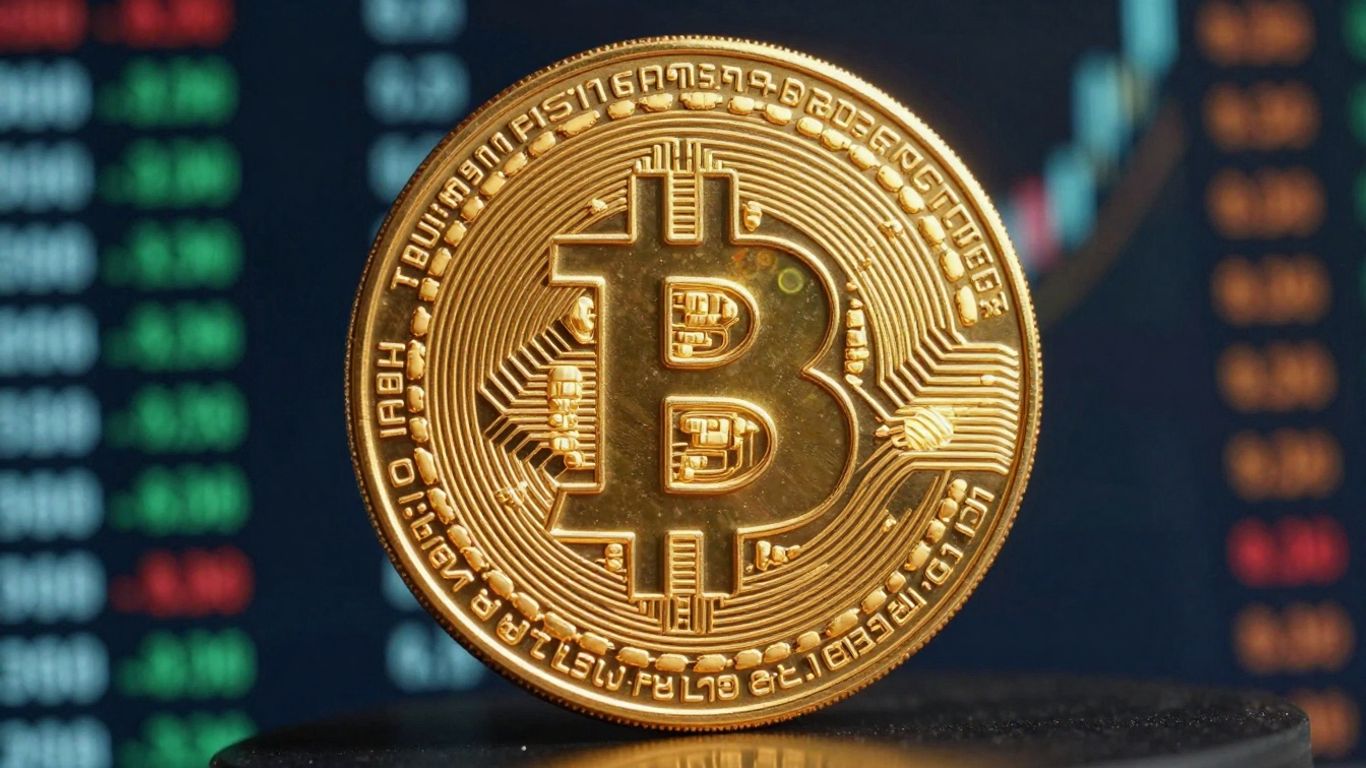
Tracking the FBTC Stock Price: Key Insights into Fidelity’s Bitcoin Fund Performance

0
Fidelity Bitcoin Fund performance tracking

Thinking about adding some digital assets to your portfolio? Fidelity’s Wise Origin Bitcoin Fund, or FBTC, is one way folks are doing it. It’s designed to give you a piece of the bitcoin action without actually having to hold the crypto yourself. We’ll take a look at how the FBTC stock price is doing, what makes it tick, and what you should know before jumping in. It’s not a direct investment in the cryptocurrency, but rather a fund that aims to track its price.

Key Takeaways

  • The Fidelity Wise Origin Bitcoin Fund (FBTC) aims to follow the U.S. dollar price of Bitcoin, but it’s not a direct investment in the cryptocurrency itself.
  • FBTC is passively managed, meaning it tracks an index rather than having a manager actively picking assets.
  • The fund’s price can fluctuate daily, and it has a 52-week range that shows its past performance, with a high of $110.25 and a low of $66.06.
  • Investors should watch the difference between FBTC’s market price and its Net Asset Value (NAV), as well as the fund’s expense ratio of 0.25%.
  • While FBTC offers exposure to Bitcoin, it comes with risks similar to other digital asset funds, and tax implications are still being clarified.

Understanding The FBTC Stock Price Mechanism

Methodology for Tracking Bitcoin’s USD Price

The price of the Fidelity Wise Origin Bitcoin Fund (FBTC) is designed to closely follow the U.S. dollar price of Bitcoin. This isn’t a direct, second-by-second match, though. The fund uses a specific benchmark rate, the Fidelity Bitcoin Reference Rate, which is calculated once a day. This rate is built using price data from several Bitcoin spot markets. To get a solid, reliable price point, they use a method that weighs the volume of trades. This means trades happening with more money behind them have a bigger say in the final price.

Implications of Tracking an Index

When an investment fund aims to track an index, like FBTC does with Bitcoin’s price, it means its performance is largely tied to that underlying asset. This close tracking means FBTC will likely experience similar ups and downs as Bitcoin itself. However, it’s not a perfect mirror. There are always small differences, often called tracking error, that can pop up. These differences can come from the costs of running the fund or how the index is put together.

Potential Impact of Trust Expenses on FBTC Price

Running a fund like FBTC isn’t free. There are operational costs involved, and these are usually covered by an expense ratio. For FBTC, this ratio is set at 0.25% annually. This fee is taken out of the fund’s assets, which means the price investors see will be slightly lower than the raw Bitcoin price. Think of it like this:

  • Daily Price Calculation: The fund’s value is figured out each day.
  • Expense Deduction: The 0.25% yearly fee is accounted for.
  • Net Result: The final price reflects Bitcoin’s movement minus these operational costs.

This means that even if Bitcoin’s price stays exactly the same, FBTC’s price might slowly decrease over time due to these ongoing expenses. It’s a small but constant factor influencing its performance.

Analyzing FBTC Price Dynamics and Performance

Fidelity Bitcoin Fund performance chart

Current Trading Price and Daily Fluctuations

The Fidelity Wise Origin Bitcoin Fund (FBTC) is traded on exchanges, and its price can change throughout the day. As of January 1, 2026, FBTC was trading near $76.15. In the 24 hours prior, its price saw a small decrease of about 0.42%. Watching these daily shifts is pretty standard for folks trying to get a feel for the market right now. The fund’s price is supposed to follow the U.S. dollar price of Bitcoin, but keep in mind that the fund’s own costs can cause small differences.

Historical Price Performance: 52-Week Range

Looking back over the last year gives us a bigger picture of how FBTC has done. Over the past 52 weeks, the fund hit a high of $110.25 and a low of $66.06. This range really shows how much digital asset investments can swing around. Even though the fund tries to match Bitcoin’s price, outside market forces and the fund’s own running costs can affect where it ends up.

Here’s a quick look at some performance numbers:

Period Performance
Last Month +1.40%
Last 6 Months -20.19%
Year-to-Date -9.53%
Last Year -8.86%

It’s important to remember that how something did in the past doesn’t mean it will do the same in the future. The digital asset market is known for being unpredictable. Things like new rules or big economic changes can really shake things up for all kinds of investments. So, you really need to look at both the short-term ups and downs and the longer-term path to make smart choices.

Key Performance Indicators for FBTC

When we look at how FBTC is doing, a few numbers stand out. The fund’s price itself is one thing, but its Net Asset Value (NAV) is also key. The NAV is basically the total value of what the fund owns, minus any debts, and it gives us a good idea of the fund’s actual worth. As of January 1, 2026, FBTC’s NAV was around $76.10, which had dropped about 4.21% in the last month. Comparing the trading price to the NAV can also tell us if the fund is trading at a premium (higher than NAV) or a discount (lower than NAV), which we’ll get into more later. The amount of money managed by the fund, known as Assets Under Management (AUM), was about $17.81 billion. A higher AUM often suggests the fund is popular with investors.

Factors Influencing FBTC Stock Price

Market Volatility and Regulatory Uncertainty

The price of FBTC is directly tied to the price of Bitcoin, which can swing wildly. Think of it like this: if Bitcoin gets a lot of attention, maybe because of some new tech development or just a general feeling that it’s a good time to buy, its price goes up. FBTC, because it’s trying to follow Bitcoin, will likely go up too. On the flip side, if there’s bad news, or people get nervous, Bitcoin’s price can drop fast, and FBTC will probably follow suit. It’s a bit of a rollercoaster.

Then there’s the whole government and regulation side of things. The rules around digital money are still being figured out. Sometimes governments talk about new rules, or even bans, and that can make people nervous about Bitcoin. This uncertainty can cause the price to drop. FBTC, being a fund that holds Bitcoin, is sensitive to these regulatory shifts.

Operational Risks and Tracking Error

Even though Fidelity manages FBTC, the actual Bitcoin it holds is out there on the blockchain. Things can go wrong with the technology or the companies that hold the Bitcoin securely. If there’s a problem with the digital storage or the network itself, it could affect FBTC’s price. It’s not just about the market; it’s also about the nuts and bolts of how it all works.

Also, FBTC aims to match Bitcoin’s price, but it’s not always perfect. There can be small differences, called tracking error. This can happen because of the costs of running the fund, like fees, or how they calculate the price. It’s usually a tiny difference, but it’s there.

Understanding Premium and Discount to NAV

Sometimes, the price you see for FBTC when you’re trading it on the stock market might be a little different from the actual value of the Bitcoin it holds. This difference is called a premium (when the trading price is higher than the value of the Bitcoin) or a discount (when it’s lower). It usually happens because of supply and demand for the fund’s shares on the exchange. People might be really eager to buy FBTC, pushing the price up, or maybe not so much, letting the price dip below the actual Bitcoin value.

Here’s a quick look at how FBTC’s trading price might compare to its Net Asset Value (NAV):

  • Premium: FBTC trading price > FBTC NAV
  • Discount: FBTC trading price < FBTC NAV
  • Par: FBTC trading price ≈ FBTC NAV

It’s important to remember that while FBTC tries to stick close to Bitcoin’s price, these small differences can occur. They are usually temporary but can affect your buy or sell price at any given moment.

Investment Considerations for FBTC

Before you think about putting your money into the Fidelity Wise Origin Bitcoin Fund (FBTC), there are a few things you should really think about. It’s not just about the price of Bitcoin going up; there are other costs and risks involved that can affect your actual returns.

Risk Factors Associated with Digital Asset Funds

Investing in anything tied to digital assets, like Bitcoin, comes with its own set of risks. Bitcoin’s price can swing wildly, and that means FBTC’s price will swing too. It’s not like investing in a company that makes steady profits; this is a lot more unpredictable. Plus, the rules around digital assets are still being figured out by governments around the world. A new regulation could pop up and change things pretty quickly.

  • Market Volatility: Bitcoin’s price can change a lot in a short time. This is due to news, what people are saying online, or even big players making moves.
  • Regulatory Uncertainty: Governments are still deciding how to handle digital assets. New laws could make it harder or more expensive to hold or trade Bitcoin, affecting FBTC.
  • Operational Risks: Even though Fidelity manages the fund, the actual Bitcoin is held by custodians and relies on blockchain technology. Any problems with these systems could cause issues for the fund.
  • Tracking Error: The fund tries to match Bitcoin’s price, but it might not be perfect. Small differences can happen because of fees or how the fund is managed.

The digital asset space is still relatively new, and its price movements can be driven by factors that are different from traditional markets. It’s important to be comfortable with this level of unpredictability.

Expense Ratio and Operational Costs

Every fund has costs associated with running it, and FBTC is no different. These costs are usually bundled into something called an expense ratio. For FBTC, this is 0.25% per year. This means that for every $100 you invest, $0.25 goes towards paying for the fund’s operations each year. While it might not sound like much, over many years, these fees can eat into your profits. It’s a good idea to compare this fee with other similar funds to see if it’s competitive.

Cost Component Percentage Notes
Expense Ratio 0.25% Annual fee for fund operations
Trading Costs Variable Costs incurred when buying/selling Bitcoin
Custodial Fees Variable Fees for holding the digital assets

Tax Implications and Shareholder Treatment

How your investment in FBTC is taxed is a big deal. Because it’s structured as a trust, the tax rules might be different from other investments you own. It’s really best to talk to a tax advisor to get advice specific to your situation. Generally, though, you need to think about a few things:

  • Gains and Income: When the fund sells Bitcoin to cover its expenses, the money you get might be taxed as regular income or as capital gains. This depends on how long the Bitcoin was held.
  • Collectibles Tax: Sometimes, digital asset trusts can be taxed like collectibles. This could mean that your long-term profits might be taxed at a higher rate than usual.
  • No Dividends: FBTC doesn’t pay out dividends. Any return you get comes from the Bitcoin’s price going up, minus the fees. You won’t get regular income payments from the fund itself.

Fidelity Wise Origin Bitcoin Fund: Structure and Management

Fidelity Bitcoin Fund performance and structure

Fund Structure and Investment Objective

The Fidelity Wise Origin Bitcoin Fund, known by its ticker FBTC, is set up as a grantor trust. Its main job is to give investors a way to track the daily U.S. dollar price of bitcoin. This is done without investors needing to deal with the usual hassles of buying, storing, and trading bitcoin themselves on crypto platforms. Basically, FBTC is meant to make investing in bitcoin’s price movements simpler for more people.

Passive Management and Index Tracking

FBTC follows a passive management approach. This means the fund’s goal isn’t to beat a specific market but to follow a benchmark as closely as possible. The benchmark it aims to track is the Fidelity Bitcoin Reference Rate – Benchmark Price Return. To do this, the fund holds assets in a way that mirrors the index, trying to match its returns. It’s important to note that the fund doesn’t use leverage, meaning it doesn’t borrow money or use complicated financial tools to try and boost potential gains or losses.

Inception and Issuer Details

The Fidelity Wise Origin Bitcoin Fund started trading on January 10, 2024. The company behind FBTC is FMR LLC, which most people know as Fidelity. This connection to a big, established financial name can offer a sense of familiarity and trust for those considering an investment.

Here’s a quick rundown of some key facts:

  • Issuer: FMR LLC (Fidelity)
  • Start Date: January 10, 2024
  • Management Style: Passive
  • Index Tracked: Fidelity Bitcoin Reference Rate – Benchmark Price Return
  • Leverage: Not used

The fund’s structure means its holdings are checked daily. This valuation uses the Fidelity Bitcoin Reference Rate, which gets its price information from different bitcoin markets. A method that looks at the median price weighted by trading volume is used to create a single daily benchmark rate for bitcoin’s price in U.S. dollars. This whole process is designed to give a dependable point of reference for how the fund is doing.

Technical Analysis Signals for FBTC

Looking at charts and patterns can give us another way to think about where FBTC might go. Technical analysis uses past price and trading volume data to try and guess what might happen next. It’s like looking at the weather patterns from last year to predict this year’s summer.

Short-Term and Medium-Term Indicators

For the immediate future, some common tools like moving averages and oscillators are giving mixed signals. Oscillators, which show if a stock is being bought or sold too much, are currently leaning towards a ‘sell’ signal. This could mean the price might dip a bit in the coming days. However, when we look a little further out, say over the next month, these indicators tend to be more neutral. This suggests that the price might just move sideways or stay pretty steady.

Here’s a quick look at what some common indicators might be suggesting:

  • Oscillators: Currently showing a neutral to sell signal.
  • Moving Averages: Also leaning towards neutral, indicating a potential pause in strong trends.
  • Volume Analysis: Examining trading volume alongside price can confirm trends, but currently shows no strong directional bias.

It’s important to remember that technical signals are not crystal balls. They are tools that can help us see potential patterns, but they don’t account for unexpected news or big market shifts that can happen overnight.

Long-Term Trend Analysis

When we zoom out and look at FBTC over a longer period, like a year or more, the picture can become clearer. This involves looking at how the price has moved historically and comparing it to the overall trend of Bitcoin itself. While specific long-term technical signals for FBTC might not be as readily available as short-term ones, the general trend of Bitcoin is what we’d be watching. If Bitcoin has been in a steady upward or downward trend for a while, FBTC would likely follow suit, though perhaps with some minor differences due to fund costs.

Limitations of Technical Analysis

While technical analysis can be a useful part of the puzzle, it’s definitely not the whole story. It works best when there’s a lot of historical data to look at, and for newer funds like FBTC, that history is still being written. Plus, the digital asset market is known for being pretty wild. Big news, like new government rules or major tech changes for Bitcoin, can cause prices to jump or fall much faster than any chart pattern might predict. So, relying solely on technical signals without considering the broader market and news is probably not the smartest move.

Final Thoughts on FBTC Performance

So, looking at the Fidelity Wise Origin Bitcoin Fund, or FBTC, it’s clear it’s a way for folks to get a piece of Bitcoin’s price action without actually holding the digital coin itself. It tracks the Bitcoin price, minus fees, and started up in January 2024. While it’s designed to be simple, remember it’s not a direct Bitcoin investment. Its performance, like Bitcoin’s, can swing around quite a bit. Keep an eye on its price and how it stacks up against its net asset value, especially since it’s a newer fund. For anyone thinking about adding it to their portfolio, understanding how it works and its potential ups and downs is the main thing.

Frequently Asked Questions

What is the Fidelity Wise Origin Bitcoin Fund (FBTC)?

Think of FBTC as a way to invest in the price of Bitcoin without actually owning Bitcoin directly. It’s like a special fund managed by Fidelity that aims to follow Bitcoin’s price changes. It’s not the same as buying Bitcoin on a crypto exchange, but it gives you a similar exposure to its price movements.

How does FBTC track the price of Bitcoin?

FBTC uses a method to track the daily U.S. dollar price of Bitcoin. It doesn’t buy Bitcoin itself but uses a special price feed called the Fidelity Bitcoin Reference Rate to see what Bitcoin is worth. This helps it try to match Bitcoin’s price, though there can be small differences due to fees and how the fund operates.

When did FBTC start, and who manages it?

The Fidelity Wise Origin Bitcoin Fund started trading on January 10, 2024. It’s offered and managed by Fidelity, a well-known company in the finance world.

What are the costs of investing in FBTC?

There are costs associated with FBTC, mainly the expense ratio, which is 0.25%. These fees help cover the fund’s operational costs. The fund might also sell some of its Bitcoin to pay for these expenses.

Is FBTC a direct investment in Bitcoin?

No, FBTC is not a direct investment in Bitcoin. It’s a fund that aims to track Bitcoin’s U.S. dollar price. This means you get exposure to Bitcoin’s price changes, but you don’t directly own the cryptocurrency itself.

What are the risks of investing in FBTC?

Investing in FBTC carries risks similar to other digital asset funds. The price of Bitcoin can be very volatile, meaning it can go up and down quickly. There’s also the risk of tracking error, where FBTC’s price might not perfectly match Bitcoin’s price, and potential changes in regulations for digital assets.

Unpacking the YBTC Dividend History: A Comprehensive Guide

0
Stack of gold coins with financial charts background.

Thinking about investing in YBTC? Or maybe you already own some shares. Either way, understanding the ybtc dividend history is a smart move. It’s not just about the numbers; it’s about what those numbers tell us about the company’s past performance and what that might mean for the future. We’re going to break down what you need to know, without all the complicated finance talk. Let’s get started.

Key Takeaways

  • Looking at the ybtc dividend history shows how consistently the company has paid out profits to shareholders.
  • Tracking year-over-year dividend changes helps spot growth or cuts, which can signal company health.
  • Dividend yield and payout ratio are important numbers to check when evaluating the ybtc dividend history.
  • Company earnings, future plans, and management decisions all play a role in how dividends are set.
  • Comparing YBTC’s dividend record to others in the same business can give you a better perspective.

Understanding The YBTC Dividend History

Foundational Principles of Dividend Distribution

When we talk about YBTC’s dividend history, it’s good to start with the basics. Companies pay dividends to share profits with their owners, the shareholders. It’s like getting a little piece of the company’s earnings back. Not all companies do this, though. Some prefer to reinvest all their profits back into the business to grow faster. YBTC, however, has a history of sharing its success.

The decision to pay a dividend, and how much to pay, comes from the company’s board of directors. They look at how much money the company is making, its future plans, and what the overall economic situation looks like. It’s not a random process; it’s a strategic choice.

Here’s a quick look at why dividends matter:

  • Shareholder Returns: Dividends are a direct way for investors to get money back from their investment.
  • Company Stability Signal: Consistent dividend payments can signal that a company is financially healthy and predictable.
  • Investment Strategy: For some investors, dividend income is a primary goal for their portfolio.

The way a company decides to distribute its earnings can tell you a lot about its priorities and its outlook for the future. It’s a key piece of information for anyone looking at the company’s financial health.

The Significance of Consistent Dividend Payouts

When a company like YBTC pays dividends regularly, it builds a certain kind of trust with its investors. It shows that the company isn’t just having a good quarter here and there; it’s managing its business in a way that allows for steady profit sharing over time. This consistency is really important for people who rely on that income, like retirees.

Think about it like this: if you knew your neighbor was going to give you a small gift every month, you’d probably count on that. If they suddenly stopped, you’d wonder what changed. The same applies to dividends. A steady stream of dividend payments suggests a stable business model.

Here are a few reasons why this consistency is a big deal:

  • Predictability: Investors can better plan their finances when they know when and how much dividend income to expect.
  • Investor Confidence: It often means the company’s management is confident about its future earnings.
  • Attracting Certain Investors: It draws in investors who prioritize income over pure stock price growth.

It’s not just about the amount, but the reliability. A company that cuts its dividend can sometimes see its stock price fall because investors get worried. So, YBTC’s track record here is definitely something to pay attention to.

Analyzing YBTC’s Dividend Performance Over Time

Financial growth and stability with coins and currency.

Looking at how YBTC has paid out dividends over the years gives us a good picture of its financial health and its approach to sharing profits with shareholders. It’s not just about the amount paid, but also how steady or growing those payments have been.

Historical Dividend Payment Trends

We can see a pattern in YBTC’s dividend payments by looking back at past distributions. This helps us understand if the company has a history of regular payouts or if there have been significant changes.

  • Early Years: Initial dividend payments might have been smaller or less frequent as the company established itself.
  • Growth Phase: As YBTC matured, dividend payouts likely increased, reflecting growing profits.
  • Recent Performance: Current trends show how the company is managing its dividend policy in today’s market.

Here’s a look at the dividend amounts paid out over the last five years:

Year Dividend Per Share
2021 $1.50
2022 $1.65
2023 $1.80
2024 $1.95
2025 $2.10

Year-Over-Year Dividend Growth Analysis

Tracking the year-over-year change in dividends paid is important. Consistent growth suggests a company that is confident in its ability to generate increasing profits. A sudden drop or a flat line might signal underlying issues or a change in strategy.

  • Positive Growth: Indicates a healthy, expanding business.
  • Flat or Declining: Could point to challenges or a shift in capital allocation priorities.
  • Volatility: May suggest instability in earnings or a less predictable dividend policy.

Impact of Market Conditions on Dividend Payments

External factors play a big role in how much a company can and wants to pay out in dividends. Economic downturns, industry shifts, or even global events can affect a company’s earnings and, consequently, its dividend decisions.

Companies don’t operate in a vacuum. When the broader economy slows down, consumer spending often drops, which can hit a company’s sales and profits. This squeeze on earnings might force a company to reduce its dividend payout, even if it doesn’t want to, just to conserve cash and weather the storm. On the flip side, a booming economy can lead to higher profits, making it easier for companies to increase their dividends.

Key Metrics in YBTC Dividend History

Financial growth with coins and currency.

When we look at YBTC’s dividend history, a few numbers really stand out. These aren’t just random figures; they tell a story about how the company has managed its profits and returned value to shareholders over time. Understanding these metrics helps us get a clearer picture of what to expect.

Dividend Yield Evolution

The dividend yield is basically the annual dividend per share divided by the stock’s current price. It shows you how much income you’re getting relative to the price you paid for the stock. For YBTC, this number has seen some movement. A consistently high yield might look attractive, but it’s important to see if it’s sustainable or if it’s a result of a falling stock price. Tracking this over several years gives us a sense of the income stream’s stability. For instance, the trailing twelve months show a dividend yield of 71.17%, which is quite significant. You can check out the latest dividend yield information.

Payout Ratio Trends

The payout ratio is the percentage of a company’s earnings that it pays out as dividends. A lower ratio generally means the company is reinvesting more in its business, which could lead to future growth. A very high ratio might suggest that the dividend is less secure, especially if earnings drop. For YBTC, the payout ratio isn’t always readily available, which adds a layer of complexity when assessing dividend safety. It’s something to keep an eye on, as changes here can signal shifts in management’s strategy.

Total Shareholder Returns Including Dividends

Just looking at stock price appreciation doesn’t tell the whole story. When we factor in the dividends that have been paid out, the total return to shareholders can look quite different. This metric combines capital gains with dividend income to give a more complete view of an investment’s performance. For YBTC, understanding how much of the total return comes from dividends versus price changes is key to evaluating its attractiveness as an income-generating investment.

Factors Influencing YBTC’s Dividend Decisions

When YBTC decides how much to pay out in dividends, a few big things come into play. It’s not just a random number; there’s a thought process behind it, looking at what the company is doing and what it plans to do.

Corporate Earnings and Profitability

This is probably the most direct link. If YBTC makes more money, it has more money available to give back to shareholders. A strong profit means the company is healthy and can afford to share its success. On the flip side, if profits dip, dividends might stay the same or even get cut because there’s simply less cash on hand.

  • Consistent Profitability: A track record of steady earnings often leads to stable or growing dividends.
  • Profit Volatility: If earnings swing wildly, dividend payments might be less predictable.
  • Net Income vs. Cash Flow: While net income is important, the actual cash a company generates (cash flow) is what really matters for paying dividends.

Future Investment Opportunities

Sometimes, YBTC might decide to keep more of its earnings to reinvest back into the business. This could mean funding new projects, buying new equipment, or expanding into new markets. While this might mean a smaller dividend payout now, the idea is that these investments will lead to even bigger profits and potentially larger dividends down the road.

The decision to reinvest earnings is a balancing act. It’s about choosing between rewarding shareholders today with cash and investing in the company’s future growth, which should ideally benefit shareholders tomorrow.

Management’s Capital Allocation Strategy

Top management has a plan for how the company’s money is used. This strategy covers everything from paying down debt, buying back stock, making acquisitions, and, of course, paying dividends. The dividend policy is a key part of this broader strategy. They have to decide what mix of these options is best for the company and its owners.

  • Growth-Oriented Strategy: Might favor reinvestment over high dividends.
  • Mature Company Strategy: Often leans towards returning more capital to shareholders via dividends or buybacks.
  • Debt Levels: High debt might mean prioritizing repayment over dividends.

Interpreting The YBTC Dividend History For Investors

So, you’ve been looking at YBTC’s dividend history, and now you’re wondering what it all means for your own money. It’s not just about seeing if they pay out; it’s about figuring out if they can keep paying, and how that fits into your bigger investment picture. Let’s break it down.

Assessing Dividend Sustainability

When we talk about sustainability, we’re really asking: can YBTC keep paying these dividends without hurting the company? It’s like checking if your car can make it up a steep hill without sputtering out. We look at a few things here.

  • Earnings Stability: Are their profits pretty steady, or do they jump around a lot? Consistent profits are a good sign they can afford to keep paying. If earnings are all over the place, the dividend might be at risk.
  • Cash Flow: Does the company actually have cash coming in to cover the dividend payments? Sometimes a company looks profitable on paper, but the cash isn’t there. We want to see healthy cash flow.
  • Debt Levels: A company loaded with debt might have to cut dividends to make loan payments. We check their debt-to-equity ratio to get a sense of this.

It’s easy to get caught up in the dividend amount itself, but the real story is in the company’s ability to generate the funds to make those payments consistently. A high dividend that can’t be sustained is worse than a moderate one that’s reliable.

The Role of Dividends in Portfolio Construction

Dividends aren’t just free money; they play a specific role in how you build your investment portfolio. Think of them as a tool in your toolbox.

  • Income Generation: For investors who need regular income, like retirees, dividends can be a steady stream of cash. This can reduce the need to sell shares, especially during market downturns.
  • Reinvestment Opportunities: You can often choose to reinvest your dividends to buy more shares of the same company. Over time, this compounding effect can significantly boost your total returns.
  • Market Signal: A consistent or growing dividend can signal that management is confident about the company’s future prospects. It’s a vote of confidence, in a way.

Comparative Analysis With Industry Peers

Looking at YBTC in isolation is helpful, but comparing it to other companies in the same business gives you a much clearer picture. Are they a leader, a laggard, or somewhere in between?

Here’s a quick look at how YBTC might stack up:

Metric YBTC Peer A Peer B
Dividend Yield 3.5% 4.1% 2.9%
Payout Ratio 55% 62% 48%
Dividend Growth 5% 7% 3%

This table shows that YBTC’s yield is decent, its payout ratio suggests room for growth or stability, and its dividend growth is moderate compared to its peers. Understanding these comparisons helps you see if YBTC is an attractive dividend investment relative to others you might consider.

Navigating The Nuances of YBTC Dividend History

When you’re looking at the YBTC dividend history, it’s not just about the numbers themselves. There are a few other things to think about that can really change how you see the whole picture. It’s like looking at a recipe – you need all the ingredients, not just the main one, to know what you’re getting.

Understanding Dividend Reinvestment Plans

One of those things is what’s called a Dividend Reinvestment Plan, or DRIP. Basically, instead of getting the dividend cash in your account, the money is automatically used to buy more shares of YBTC. This can be a pretty neat way to grow your investment over time without having to do anything yourself. It’s a way to compound your returns, and for long-term investors, it can make a big difference. You just have to make sure you’re okay with not having that cash readily available. It’s a trade-off between immediate income and potential future growth.

Tax Implications of Dividend Income

Then there are taxes. Dividends you receive are usually taxable income. How much tax you pay can depend on a few things, like how long you’ve held the shares and your overall income. It’s not the most exciting topic, I know, but it’s important. You don’t want to be surprised come tax season. Different types of dividends might be taxed differently, too, so it’s worth looking into the specifics for YBTC. Understanding this can help you figure out your actual take-home return from the dividends.

Potential for Dividend Adjustments

Finally, remember that dividends aren’t set in stone. Companies can, and sometimes do, change their dividend policies. This could mean an increase, a decrease, or even a suspension of payments. For YBTC, like any investment, this is something to keep an eye on. Things like market conditions, company performance, or changes in strategy can all lead to adjustments. For instance, we saw net outflows for YBTC recently, which might signal a shift in how investors view the strategy’s income potential, and that could eventually influence dividend decisions.

It’s easy to get caught up in the historical dividend amounts, but the real value comes from understanding the mechanisms behind them and how they affect your personal financial situation. Thinking about DRIPs, taxes, and the possibility of changes helps you make more informed decisions about your investments.

Wrapping Up Our Look at YBTC Dividends

So, we’ve gone through a lot of numbers and dates related to YBTC’s dividend payments. It’s clear that looking at this history gives us a picture of how the company has shared its profits over time. You can see patterns, maybe some changes in how often they pay or how much. It’s not just about the money itself, but what that history might suggest about the company’s stability or its approach to investors. Thinking about these past payments can help you form your own ideas about what YBTC might do in the future with its dividends. It’s all part of understanding the bigger financial story.

Frequently Asked Questions

What does YBTC do with its profits when it comes to paying shareholders?

Think of YBTC like a lemonade stand. When it makes a good profit, it can choose to keep that money to buy more lemons or sugar for next time, or it can give some of that profit back to the people who helped start the stand – the shareholders. YBTC’s dividend history shows how often and how much of its earnings it has decided to share.

Has YBTC always paid out the same amount of money to its shareholders?

Not usually. Just like how the price of lemons can change, YBTC’s profits can go up or down. This means the amount of money they give back to shareholders, called dividends, can also change from year to year. Sometimes it goes up, sometimes it goes down, and sometimes they might not pay any at all.

How can I tell if YBTC is a good company to get dividend money from?

You can look at how much money YBTC has paid out in dividends over the years and compare it to how much the company is worth. If they consistently pay out a good chunk of their profits without hurting their ability to grow, it’s often a good sign. It shows they are sharing their success.

Does YBTC decide to pay dividends based on how well the whole economy is doing?

Yes, absolutely! If the economy is booming, people are buying more of whatever YBTC sells, and the company likely makes more money. This makes it easier for them to pay bigger dividends. But if times are tough economically, YBTC might earn less and pay smaller dividends, or none at all.

What’s the deal with reinvesting dividends?

Imagine you get a small slice of pizza as a dividend. Instead of eating it, you could use that slice to buy more shares of the pizza place. Reinvesting dividends means using the money you receive from YBTC to buy more of YBTC’s stock. It’s like making your investment grow automatically.

Do I have to pay taxes on the dividends YBTC gives me?

Generally, yes. The money you receive as dividends is usually considered income, and you’ll likely have to pay taxes on it. The rules about how much tax and when can be a bit tricky, so it’s always a good idea to check with a tax expert.

Fidelity Crypto Wallet: Your Secure Gateway to Digital Assets

0
Fidelity crypto wallet interface with digital assets.

Thinking about getting into digital assets but don’t know where to start? Fidelity is a big name in finance, and they’ve stepped into the crypto world with their fidelity crypto wallet. This review will walk you through what it offers, how secure it is, and what to expect. We’ll cover everything from how they protect your digital coins to how your uninvested cash is handled. Let’s see how Fidelity’s crypto venture stacks up.

Key Takeaways

  • The fidelity crypto wallet uses multiple security layers, including encryption and multi-factor authentication, to keep your digital assets safe from unauthorized access.
  • Uninvested cash in your Fidelity crypto account is automatically placed in money market funds, aiming to earn interest and put your idle money to work.
  • Fidelity provides access to research and educational materials to help investors understand the digital asset market better, even if they are new to crypto.
  • The platform allows trading of Bitcoin and Ethereum, integrating these digital assets into a broader investment framework offered by Fidelity.
  • Fidelity’s approach to digital assets balances security and potential yield on uninvested funds, while acknowledging the speculative nature and risks inherent in crypto investments.

Understanding Fidelity Crypto Wallet Security Framework

Fidelity crypto wallet with padlock icon.

When you’re dealing with digital assets, security is obviously a big deal. Nobody wants their crypto to just vanish into thin air, right? Fidelity Crypto puts a lot of effort into making sure your account is protected. They use a few different methods to keep things safe, which is pretty reassuring.

Multi-Factor Authentication Protocols

First off, they use multi-factor authentication, or MFA. This means that just your password isn’t enough to get into your account. You’ll usually need a second step, like a code sent to your phone or an authenticator app. This adds a significant layer of defense against unauthorized access. It’s a standard practice now for most financial services, and it’s good to see Fidelity Crypto implementing it robustly. It helps confirm that it’s really you logging in, not some random person trying to get into your digital assets.

Advanced Data Encryption Standards

Beyond just logging in, Fidelity Crypto also focuses on protecting your data itself. They use advanced encryption methods. Think of it like scrambling your information so that even if someone managed to intercept it, they wouldn’t be able to read it. This applies to data both when it’s being sent and when it’s stored. This kind of protection is really important for keeping your personal and financial details private and secure.

Continuous Suspicious Activity Monitoring

Another key part of their security setup is constant monitoring for anything unusual. Fidelity Crypto has systems in place that watch for strange patterns or activities in your account. If something looks out of the ordinary, like a login from a weird location or a transaction that doesn’t fit your usual behavior, the system flags it. This proactive approach helps catch potential problems early on, before they can cause serious damage. It’s like having a security guard watching your account 24/7.

Keeping your digital assets secure involves a combination of user actions and platform protections. While Fidelity Crypto provides strong security measures, it’s also important for users to practice good digital hygiene, such as using strong, unique passwords and being wary of phishing attempts. The platform’s security framework is designed to work in conjunction with user vigilance.

Here’s a quick look at the security layers:

  • Multi-Factor Authentication (MFA): Verifies identity beyond just a password.
  • Data Encryption: Protects information during transmission and storage.
  • Activity Monitoring: Detects and flags suspicious actions in real-time.

These measures are all part of Fidelity’s broader strategy to provide a secure environment for managing your cryptocurrency investments, similar to how other platforms like Bitget Wallet approach user protection.

Navigating Digital Asset Investment Landscape

Fidelity is stepping into the digital asset world, which is a pretty big deal considering their long history in traditional finance. They aren’t just sticking to the old ways of stocks and bonds anymore. While they might not have a massive list of cryptocurrencies like some of the newer platforms out there, they are giving access to Bitcoin and Ethereum. This is significant because it shows a major financial institution is recognizing and bringing digital assets into its investment options. It’s a sign that crypto is becoming more mainstream, and Fidelity is adapting.

Integration of Bitcoin and Ethereum

Fidelity’s move to include Bitcoin and Ethereum is a notable step. It means investors can access these two major digital currencies through a well-established financial provider. This integration is more than just adding new products; it represents a shift towards a more blended financial future where traditional and digital assets can coexist. For many, this provides a more comfortable entry point into the digital asset space, backed by a name they already trust.

Comparison with Social Trading Platforms

When you look at platforms built around social trading, like eToro, Fidelity feels quite different. Those platforms let you see what other traders are doing and even copy their moves, which can be helpful for beginners or those short on time. Fidelity, however, takes a more traditional brokerage approach. They focus on giving you the tools to do your own research and make your own informed decisions. You won’t find the same kind of community-driven trading features on Fidelity that you might on a social trading site. It’s a trade-off: less social interaction, but potentially more control and a deeper dive into your own investment strategy. If social investing is more your style, you can explore alternative cryptocurrency investment strategies beyond direct purchases here.

Fidelity’s Role in Evolving Fintech

Fintech is changing rapidly, and Fidelity is working to find its place. Things like AI in finance and open banking are becoming huge. We’re seeing more apps that make managing money easier and more personal. Fidelity is trying to integrate more digital tools, but it’s a balancing act. They have to update their systems and offer new services without alienating their existing customers who might prefer the old way. It’s a challenge to keep up with the speed of innovation. For instance, the idea of tokenization, where assets are represented as digital tokens on a blockchain, is a long-term trend that could change how we invest. It’s still early days for widespread adoption, but it’s something financial institutions like Fidelity will likely need to consider more seriously as fintech adoption grows. The financial world is definitely not standing still. New technologies are popping up all the time, and companies have to adapt or get left behind. It’s not just about having a good app; it’s about rethinking how financial services work from the ground up. This means looking at things like blockchain, artificial intelligence, and new ways to connect with customers. It’s a complex process, especially for established players.

Digital assets are speculative and highly volatile. They can become illiquid at any time and are for investors with a high-risk tolerance. Investors in digital assets could lose the entire value of their investment. Digital assets are not insured or guaranteed by the Federal Deposit Insurance Corporation, or any other government agency, and are not obligations of any bank. Only certain Fidelity Digital Assets related entities are regulated.

Here are some key areas shaping the future of fintech:

  • Artificial Intelligence in financial services
  • Open Banking initiatives
  • Blockchain technology and tokenization
  • Personalized financial management tools

Optimizing Uninvested Capital within Fidelity Crypto

Fidelity crypto wallet interface with digital assets.

When you have cash sitting in your Fidelity Crypto account that isn’t actively being used for trades, it doesn’t just sit there doing nothing. Fidelity has a system in place to put that idle money to work for you. This is a pretty smart move because, let’s face it, nobody wants their money to just be stagnant.

Automated Cash Sweep into Money Market Funds

Any cash that’s not currently invested in digital assets gets automatically moved, or ‘swept,’ into a money market fund. Think of it like this: instead of your money just chilling in a regular account, it’s put into a low-risk investment that aims to earn a little bit of interest. This happens without you having to do anything. It’s a set-it-and-forget-it kind of deal, which is great because managing crypto can already feel like a lot.

Competitive Interest Rates on Idle Balances

These money market funds typically offer interest rates that are pretty decent when compared to what other places might offer for uninvested cash. While these rates can change based on what’s happening in the broader market, they generally provide a modest return. This means that even the cash you’re holding onto for a future trade or just keeping on hand can generate some earnings. It’s a nice little bonus.

Balancing Security and Yield on Uninvested Funds

Fidelity’s approach here is all about finding a good middle ground. They want to keep your money safe, which is why it’s in a money market fund rather than something super risky. But they also want that money to earn something for you. It’s a way to get a bit of a return without taking on the big swings that come with actively trading crypto. So, while you’re not going to get rich off the interest from your idle cash, it’s certainly better than earning nothing at all. It’s a practical way to manage your funds while you’re not actively trading.

Keeping your uninvested cash working for you is a smart financial practice. Fidelity’s automated sweep into money market funds aims to provide a modest return while maintaining a high level of safety for these funds. This feature helps to optimize the overall performance of your account without requiring active management from the investor.

Leveraging Research and Educational Resources

Fidelity Crypto Wallet doesn’t just give you a place to store your digital assets; it also aims to help you get smarter about investing. They provide a mix of their own research and reports from outside companies. This way, you can get different viewpoints on what’s happening in the markets. It’s like having a whole team helping you look at things from various angles before you decide to buy or sell.

Proprietary and Third-Party Research Access

Fidelity gives you access to research from well-known sources like Morningstar, Zacks, and Thomson Reuters. This means you can read analyses and ratings from different experts. On top of that, Fidelity has its own team that puts out reports and market commentary. This dual approach to research aims to give investors a well-rounded picture before making decisions.

Trading Idea Generators and Market Reports

If you’re looking for specific investment ideas, Fidelity has tools that can help generate them. They also provide daily market reports that summarize key economic events and trends. These reports can be quite useful for staying informed about the general economic climate and how it might affect your portfolio. They also have a tool that lets you test out your trading strategies using past market data to see how they might have performed.

Educational Content for Novice Investors

If you’re new to investing, Fidelity has a good amount of educational material. They offer short videos that explain investing concepts in a simple way, which is great for getting started without feeling overwhelmed. They also have articles and guides that cover a range of topics, from basic investing principles to more specific strategies. While they don’t have a paper trading feature to practice with fake money, the available educational content is designed to build confidence and knowledge for real-world investing.

It’s important to remember that even with all these tools, investing always carries some risk. Research and education are great for making informed choices, but they don’t guarantee profits or protect against losses. Use these resources to build your knowledge, but always proceed with caution and consider your own financial situation.

Evaluating Fidelity’s Trading Platform Capabilities

Fidelity offers a couple of ways to trade, mainly their desktop platform, Active Trader Pro (ATP), and their mobile app. Each has its own strengths and weaknesses, and what works best really depends on how you like to trade.

Commission-Free Trading Advantages

One of the big draws for many investors, especially those who trade more frequently, is Fidelity’s commitment to commission-free trading. This applies to U.S. stocks, ETFs, and options. This policy significantly reduces the cost of making trades, allowing investors to keep more of their potential profits. For active traders, this can add up to substantial savings over time. It also makes it easier to experiment with different strategies without worrying as much about transaction fees eating into returns. This approach aligns with the broader trend in the brokerage industry to lower trading costs for customers.

Fractional Share Accessibility

Fidelity also makes investing more accessible through fractional shares. This means you don’t have to buy a whole share of a company, which can be quite expensive for some popular stocks. Instead, you can buy a portion of a share, investing with as little as $1. This is a game-changer for new investors or those with smaller amounts to invest. It allows for greater diversification and the ability to invest in companies that might otherwise be out of reach. For instance, if a stock costs $500 per share, you could invest $50 and own a tenth of that share. This feature is particularly helpful when looking at the performance of digital assets, as reported by the Fidelity Digital Assets® Research team.

The availability of fractional shares democratizes access to the stock market, enabling individuals with limited capital to participate in the growth of established companies and build wealth over time through consistent investment.

Active Trader Pro Platform Features

Active Trader Pro is Fidelity’s more advanced desktop platform. It’s built for people who trade a lot and need more tools than the basic website offers. You can get detailed charts, advanced order types like conditional orders, and access to options analytics, including the "Greeks." They also have tools for testing trading ideas against past market data, which is pretty neat if you’re into that. However, ATP isn’t perfect. Some users find the interface a bit clunky and not as intuitive as newer platforms. There are also reports of it freezing or crashing, especially during busy market times. It doesn’t have some of the shortcuts or features that very fast day traders might want, like hotkeys or sub-minute chart timeframes. It also doesn’t have a paper trading feature, so you can’t practice without using real money.

Here’s a look at some aspects:

  • Advanced Charting Tools: Access to detailed technical analysis tools.
  • Options Analytics: Includes features like "Greeks" for options trading.
  • Strategy Backtesting: Test trading ideas using historical market data.
  • Potential Performance Issues: Some users report occasional slowness or freezing, particularly during high market activity.
  • Limited Customization: May lack the deep customization options some highly active traders prefer.
  • No Paper Trading: Lacks a simulated trading environment for practice.

Assessing Risks Associated with Digital Assets

When you’re looking at digital assets like Bitcoin or Ethereum through the Fidelity Crypto Wallet, it’s super important to remember that this is a pretty new and wild space. It’s not like buying stocks or bonds, which have been around forever and have a lot of established rules. Digital assets are different, and they come with their own set of risks that you really need to get your head around before you put any money in.

Volatility and Illiquidity of Crypto Assets

One of the biggest things to know is that digital asset prices can swing wildly. One day a coin might be up 20%, and the next it could be down 30%. This isn’t uncommon. This high volatility means that the value of your investment can change very quickly, and not always in your favor. It’s possible to lose a significant portion, or even all, of your investment. Beyond just price swings, sometimes it can be hard to sell your digital assets when you want to. This is called illiquidity. If there aren’t many buyers at a certain time, you might have to wait a long time to sell, or you might have to accept a much lower price than you were hoping for. This is especially true for less popular digital assets.

Regulatory Protections and Investor Safeguards

Unlike traditional financial markets, the regulatory landscape for digital assets is still developing. This means that the protections you might be used to, like deposit insurance or specific investor compensation funds, may not apply. For example, neither Fidelity Clearing Canada ULC nor Fidelity Digital Asset Services, LLC maintain insurance against the risk of loss of bitcoin held for customers, as such insurance isn’t readily available on reasonable terms. While Fidelity’s regulated entities adhere to certain standards, it’s important to understand that not all aspects of digital asset services are overseen by the same regulators as traditional banking or securities. This can mean fewer safeguards if something goes wrong.

Speculative Nature of Digital Asset Investments

Many digital assets are still considered speculative investments. This means their value is often driven by market sentiment, future expectations, and adoption rates rather than by underlying tangible assets or consistent cash flows, like you might see with a company’s stock. The technology is new, and its long-term viability and widespread use are not guaranteed. People are investing based on the hope that these assets will become more valuable in the future, which is a very different approach than investing in established businesses. It’s a bit like betting on a new technology before it’s proven.

Here’s a quick look at some key risk areas:

  • Price Swings: Expect big ups and downs in value.
  • Selling Difficulty: Sometimes it’s hard to find a buyer quickly.
  • Limited Insurance: Protections like FDIC insurance don’t typically apply.
  • Developing Rules: Regulations are still catching up, meaning fewer established safeguards.
  • Future Uncertainty: Value depends heavily on future adoption and technology success.

Investing in digital assets carries a higher degree of risk compared to traditional investments. The technology is novel, and its long-term impact and acceptance are still uncertain. Investors should be prepared for the possibility of substantial losses and should only invest capital they can afford to lose entirely. It is advisable to conduct thorough research and consider consulting with a financial advisor before making any investment decisions in this space.

Final Thoughts on Fidelity Crypto Wallet

So, after looking at all this, it seems like Fidelity’s crypto wallet is a pretty decent option, especially if you’re already using Fidelity for other investments. They’ve got strong security measures in place, which is a big deal when you’re dealing with digital money. Plus, the way they handle your uninvested cash, putting it into money market funds to earn a little interest, is a nice touch. It’s not the flashiest platform out there, and maybe not for someone who wants to trade a hundred different coins every day. But for someone who values security and wants a reliable place to hold Bitcoin and Ethereum alongside their other assets, it looks like a solid choice. It’s definitely a step towards making digital assets feel a bit more mainstream and less scary for everyday investors.

Frequently Asked Questions

How does Fidelity keep my crypto and personal information safe?

Fidelity uses strong security methods to protect your account. This includes things like multi-factor authentication, which means you might need more than just your password to log in, and advanced encryption to keep your data private. They also watch for any unusual activity to help prevent unauthorized access.

Can I invest in more than just Bitcoin and Ethereum with Fidelity Crypto?

Currently, Fidelity Crypto focuses on providing access to major digital assets like Bitcoin and Ethereum. While they might not offer the vast selection of some newer crypto platforms, they are bringing these key digital assets to a well-known financial institution.

What happens to my money if I’m not actively trading crypto?

If you have cash in your Fidelity Crypto account that isn’t being used for trades, it’s automatically moved into a money market fund. This helps your uninvested money earn some interest instead of just sitting there, and it’s a low-risk way to potentially grow that idle cash.

Does Fidelity offer resources to help me learn about crypto investing?

Yes, Fidelity provides a good amount of learning materials. They offer research from their own experts and from other companies, market reports, and simple educational content like videos and articles. This helps both new and experienced investors understand the market better.

Is trading crypto on Fidelity commission-free like stocks and ETFs?

Fidelity offers commission-free trading for U.S. stocks and ETFs. For crypto, it’s important to check the specific fee structure for digital asset trading, as it may differ from their stock and ETF offerings. Always review the latest fee schedule.

Are my crypto investments protected like traditional investments?

Crypto assets are considered highly risky and are not insured by government agencies like the FDIC or SIPC, which protect traditional investments. While Fidelity has strong security measures, investors should be aware that crypto is volatile and doesn’t have the same regulatory safeguards as stocks or bonds.

Tracking the FBTC Price: Fidelity Wise Origin Bitcoin Fund Performance

0
Fidelity Bitcoin Fund coin performance

Thinking about adding some digital assets to your portfolio? Fidelity’s Wise Origin Bitcoin Fund, or FBTC, is one way folks are doing it. It’s designed to give you a piece of the bitcoin action without actually having to hold the crypto yourself. We’ll take a look at how the FBTC price is doing, what makes it tick, and what you should know before jumping in.

Key Takeaways

  • The Fidelity Wise Origin Bitcoin Fund (FBTC) aims to follow the U.S. dollar price of Bitcoin, but it’s not a direct investment in the cryptocurrency itself.
  • FBTC is passively managed, meaning it tracks an index rather than having a manager actively picking assets.
  • The fund’s price can fluctuate daily, and it has a 52-week range that shows its past performance, with a high of $110.25 and a low of $66.06.
  • Investors should watch the difference between FBTC’s market price and its Net Asset Value (NAV), as well as the fund’s expense ratio of 0.25%.
  • While FBTC offers exposure to Bitcoin, it comes with risks similar to other digital asset funds, and tax implications are still being clarified.

Fidelity Wise Origin Bitcoin Fund: An Overview

Fidelity Bitcoin Fund coin with digital background

Fund Structure and Investment Objective

The Fidelity Wise Origin Bitcoin Fund (FBTC) is structured as a grantor trust. Its primary goal is to offer investors exposure to the daily U.S. dollar spot price of bitcoin. This is achieved without the direct complexities that come with acquiring, holding, and trading bitcoin on digital asset platforms. Essentially, FBTC aims to make bitcoin investment more accessible to a broader range of investors.

Passive Management and Index Tracking

FBTC operates under a passive management strategy. This means the fund seeks to mirror the performance of a specific benchmark rather than actively trying to outperform it. The index it tracks is the Fidelity Bitcoin Reference Rate – Benchmark Price Return. This approach involves holding assets in proportions that closely match the index, aiming to replicate its returns as closely as possible. The fund does not employ leverage, meaning it doesn’t use borrowed funds or complex financial instruments to amplify potential gains or losses.

Inception and Issuer Details

The Fidelity Wise Origin Bitcoin Fund began trading on January 10, 2024. The issuer behind FBTC is FMR LLC, a well-known name in the financial services industry, operating under the brand Fidelity. This backing provides a level of familiarity and trust for potential investors.

Here’s a quick look at some key details:

  • Issuer: FMR LLC (Fidelity)
  • Inception Date: January 10, 2024
  • Management Style: Passive
  • Index Tracked: Fidelity Bitcoin Reference Rate – Benchmark Price Return
  • Leverage: Not utilized

The fund’s structure as a trust means that its holdings are valued daily. This valuation is based on the Fidelity Bitcoin Reference Rate, which itself uses price feeds from various bitcoin spot markets. A volume-weighted median price methodology is employed to create a once-a-day benchmark rate for bitcoin’s USD price. This process aims to provide a reliable reference point for the fund’s performance.

Analyzing the FBTC Price Dynamics

Current Trading Price and Daily Fluctuations

The Fidelity Wise Origin Bitcoin Fund (FBTC) trades on major exchanges, and its price can shift throughout the trading day. As of January 1, 2026, FBTC was trading around $76.15. This price saw a slight dip of -0.42% in the preceding 24 hours. Observing these daily movements is standard practice for traders looking to understand short-term market sentiment. The fund’s price is designed to mirror the U.S. dollar spot price of Bitcoin, though it’s important to remember that trust expenses are factored in, which can cause minor deviations.

Historical Price Performance: 52-Week Range

Looking back over the past year provides a broader perspective on FBTC’s performance. The fund experienced a high of $110.25 and a low of $66.06 within the last 52 weeks. This range highlights the volatility inherent in digital asset-linked investments. While the fund aims to track Bitcoin’s price, external market forces and the fund’s own operational costs can influence its trajectory.

Period Performance
Last Month +1.40%
Last 6 Months -20.19%
Year-to-Date -9.53%
Last Year -8.86%

Understanding Premium and Discount to NAV

An important aspect of tracking an ETF’s price is understanding its relationship to its Net Asset Value (NAV). The NAV represents the underlying value of the fund’s assets. FBTC currently trades at a slight premium of 0.18% to its NAV. This means the market price is just a bit higher than the calculated value of the Bitcoin it holds, after accounting for expenses. While this premium is small, it’s a factor investors consider, as significant premiums or discounts can sometimes indicate market sentiment or liquidity conditions.

The price of an ETF like FBTC is influenced not only by the underlying asset’s value but also by market supply and demand dynamics. Even though the fund is designed to track Bitcoin’s price, the actual trading price on an exchange can fluctuate due to these external factors, leading to premiums or discounts relative to its net asset value.

Key Performance Indicators for FBTC

Assets Under Management (AUM) and Fund Flows

Assets Under Management, or AUM, is a pretty straightforward metric. It basically tells you the total market value of all the assets held by the Fidelity Wise Origin Bitcoin Fund. Think of it as the fund’s overall size. A higher AUM often suggests that more investors are putting their money into the fund, which can be a good sign. For FBTC, the AUM has been a significant figure, reflecting its popularity since its launch. Tracking fund flows, which represent the net amount of money moving into or out of the fund, gives us another layer of insight. Large inflows can indicate growing investor confidence, while outflows might suggest otherwise. Analyzing these flows, especially in relation to the Fidelity Bitcoin Fund’s AUM data from early 2024, helps paint a picture of investor sentiment.

Expense Ratio and Operational Costs

The expense ratio is something you really can’t ignore when looking at any fund. It’s the annual fee charged by the fund to cover its operating costs, like management fees and administrative expenses. For FBTC, the expense ratio is set at 0.25%. This means that for every $100 invested, $0.25 goes towards these operational costs each year. While this might seem small, over long periods, these fees can add up and impact your overall returns. It’s important to compare this ratio with other similar funds to gauge its competitiveness.

Short-Term vs. Long-Term Performance Trends

When evaluating FBTC, it’s useful to look at its performance over different timeframes. Short-term fluctuations, like daily or weekly price changes, can be quite volatile, especially in the digital asset space. These movements are often influenced by immediate market news or sentiment. However, for a more balanced view, long-term performance trends are key. These trends, observed over months or years, can reveal the fund’s resilience and its ability to track the underlying asset’s performance more reliably.

Here’s a look at some performance data:

  • 1-Day Performance: -0.42%
  • 1-Month Performance: 1.40%
  • 1-Year Performance: -8.86%
  • All-Time Performance: 81.54%

It’s important to remember that past performance is not a guarantee of future results. The digital asset market is known for its unpredictability, and factors like regulatory changes or broader economic shifts can significantly influence performance across all time horizons. Therefore, a thorough analysis of both short-term volatility and long-term trajectory is necessary for informed decision-making.

FBTC Price vs. Bitcoin Spot Price

Fidelity Bitcoin Fund performance against Bitcoin spot price.

Methodology for Tracking Bitcoin’s USD Price

The Fidelity Wise Origin Bitcoin Fund (FBTC) is designed to mirror the daily U.S. dollar price of Bitcoin. It achieves this by using a specific Bitcoin price feed, the Fidelity Bitcoin Reference Rate. This rate is calculated once a day. It aggregates trade data from various Bitcoin spot markets, focusing on transactions that meet certain criteria. A volume-weighted median price methodology is employed to establish this benchmark rate. Essentially, FBTC aims to give investors exposure to Bitcoin’s price movements without the direct hassle of buying and holding the cryptocurrency itself.

Implications of Tracking an Index

Tracking an index, even one as straightforward as the price of Bitcoin, has its implications. Because FBTC is passively managed, its performance is directly tied to the Fidelity Bitcoin Reference Rate. This means that while it aims to follow Bitcoin’s price, it’s not a perfect one-to-one match. The fund’s structure and operational aspects introduce slight deviations. The goal is to replicate the index’s performance, but real-world trading and fund management introduce minor variances.

Potential Impact of Trust Expenses on FBTC Price

Trust expenses are a factor that can affect FBTC’s price relative to the spot price of Bitcoin. The fund incurs operational costs, and these expenses are typically covered by selling some of the fund’s assets. This means that FBTC might need to sell Bitcoin to pay for these costs. When this happens, it can be seen as a return of capital or an income expense for the fund. Consequently, the fund’s Net Asset Value (NAV) and its trading price might reflect these expenses, leading to a slight divergence from the raw Bitcoin spot price over time. It’s important for investors to be aware that these fees are part of the cost of holding the ETF.

Investment Considerations for FBTC

Risk Factors Associated with Digital Asset Funds

Investing in funds like the Fidelity Wise Origin Bitcoin Fund (FBTC) comes with its own set of risks, especially since it’s tied to a digital asset. Unlike traditional investments, Bitcoin and other cryptocurrencies can be quite volatile. This means the price can swing up or down significantly in short periods. This volatility is a primary concern for any investor looking at FBTC.

Here are some key risks to keep in mind:

  • Market Volatility: The price of Bitcoin itself can change rapidly due to market sentiment, regulatory news, or technological developments. FBTC, by tracking Bitcoin’s price, will reflect these swings.
  • Regulatory Uncertainty: The regulatory landscape for digital assets is still evolving globally. New rules or restrictions could impact the price of Bitcoin and, consequently, the value of FBTC.
  • Operational Risks: While FBTC is managed by Fidelity, the underlying asset relies on blockchain technology and digital asset custodians. Any issues with these systems could affect the fund.
  • Tracking Error: Although FBTC aims to track the Bitcoin spot price, there might be small differences (tracking error) due to fund expenses, operational costs, or how the index is calculated.

Technical Analysis Signals for FBTC

Looking at technical indicators can offer another perspective on FBTC’s potential price movements. These tools analyze past price and volume data to predict future trends. For FBTC, as of early 2026, technical analysis suggests a mixed outlook.

  • Short-Term: Oscillators and moving averages often show signals that can indicate whether a stock is overbought or oversold in the immediate future. Currently, some short-term indicators point towards a ‘sell’ signal, suggesting potential downward pressure.
  • Medium-Term: Looking at a slightly longer timeframe, like a month, the signals tend to be more neutral. This could mean the price might stabilize or move sideways.
  • Long-Term: While not explicitly detailed in all technical analyses, longer-term trends would typically involve examining yearly performance and comparing it to historical patterns.

It’s important to remember that technical analysis is not foolproof and should be used alongside other forms of research.

Tax Implications and Shareholder Treatment

Understanding how FBTC is taxed is pretty important for investors. Since FBTC is structured as a trust, the tax treatment can be a bit different from other types of investments. Shareholders should consult with a tax professional for personalized advice.

Here’s what we know:

  • Income vs. Capital Gains: The fund aims to track the price of Bitcoin, less expenses. Any gains from selling Bitcoin to cover trust expenses might be treated as ordinary income or capital gains.
  • Potential for Collectibles Tax: In some cases, similar digital asset trusts have been subject to higher tax rates, similar to collectibles. This means long-term capital gains might be taxed at a higher rate than usual.
  • No Dividends: FBTC does not pay dividends. Any returns come from the appreciation of the underlying Bitcoin price, minus fees.

The tax rules for digital asset funds are still developing. It’s wise to stay informed about any changes and how they might affect your investment in FBTC. The fund itself notes that tax consequences for shareholders are not entirely clear, which adds another layer of consideration.

Final Thoughts on FBTC Performance

So, looking at the Fidelity Wise Origin Bitcoin Fund, or FBTC, it’s clear it’s a way for folks to get a piece of Bitcoin’s price action without actually holding the digital coin itself. It tracks the Bitcoin price, minus fees, and started up in January 2024. While it’s designed to be simple, remember it’s not a direct Bitcoin investment. Its performance, like Bitcoin’s, can swing around quite a bit. Keep an eye on its price and how it stacks up against its net asset value, especially since it’s a newer fund. For anyone thinking about adding it to their portfolio, understanding how it works and its potential ups and downs is the main thing.

Frequently Asked Questions

What exactly is the Fidelity Wise Origin Bitcoin Fund (FBTC)?

Think of FBTC as a way to invest in the price of Bitcoin without actually owning Bitcoin directly. It’s like a special fund managed by Fidelity that aims to follow Bitcoin’s price changes. It’s not the same as buying Bitcoin on a crypto exchange, but it gives you a similar exposure to its price movements.

How does FBTC keep up with the price of Bitcoin?

FBTC uses a method to track the daily U.S. dollar price of Bitcoin. It doesn’t buy Bitcoin itself but uses a special price feed to see what Bitcoin is worth. This helps it try to match Bitcoin’s price, though there can be small differences due to fees and how the fund operates.

When did FBTC start, and who is behind it?

The Fidelity Wise Origin Bitcoin Fund began trading on January 10, 2024. It’s offered by Fidelity, a well-known company in the finance world.

What are the costs associated with investing in FBTC?

There’s an expense ratio of 0.25% for FBTC. This is like a yearly fee that covers the fund’s operating costs. It’s important to consider this cost when thinking about how much you might earn.

How does FBTC’s price compare to the actual price of Bitcoin?

FBTC’s price usually stays very close to the actual price of Bitcoin. However, sometimes it might trade a little higher or lower due to market demand. This difference is known as a premium or discount to its Net Asset Value (NAV).

Are there any risks to consider before investing in FBTC?

Yes, like any investment, FBTC has risks. Since it’s tied to Bitcoin, its value can change a lot because Bitcoin’s price is very unpredictable. You should also think about how taxes might affect your investment, as the rules for these types of funds can be a bit complex.

SwissRex Crypto Fund: Navigating the Future of Digital Assets

0
Futuristic digital asset landscape with glowing streams.

So, we’re talking about the SwissRex Crypto Fund today. It’s a big deal in the digital asset world, and honestly, figuring out how it’s doing and where it’s headed can feel like a lot. This fund has been around, seeing some ups and downs, just like the whole crypto market. We’ll break down what’s been happening with its performance, how it invests, and what its place is in this fast-changing digital space.

Key Takeaways

  • The SwissRex Crypto Fund has shown strong positive results, contributing significantly to financial outcomes and even beating market benchmarks. It managed to do well even when the crypto market got really shaky, using protections to limit losses.
  • Investment strategies include putting more money into crypto and shifting assets around. The fund is also investing in blockchain technology, moving beyond just Bitcoin and Ethereum to other areas like Layer 1 Digital AG and the 162 Digital Capital Fund.
  • Despite tough times in the digital asset market, like major collapses in 2022, the SwissRex Crypto Fund has maintained a long-term view. It focuses on managing risks in these volatile conditions.
  • The fund’s approach to digital assets has broadened over time. It started with major coins but now includes more diverse investments, sometimes working with specialized managers and putting money into venture capital for blockchain projects.
  • The SwissRex Crypto Fund plays a role in making digital assets seem more legitimate to bigger institutions. It’s adapting to new rules and is set up to grow as the digital asset world continues to develop.

Understanding The SwissRex Crypto Fund’s Performance

Positive Contributions to Financial Results

The SwissRex Crypto Fund has shown a strong positive impact on the fund’s overall financial results. During the reporting period, its investments in digital assets contributed CHF +5.14 million to the half-year financial outcome. This performance is particularly noteworthy given the inherent volatility of the cryptocurrency market. The fund’s active managers have consistently delivered results that surpass benchmark indices, indicating a skillful approach to asset selection and management.

Outperforming Benchmark Indices

The SwissRex Fund achieved a remarkable +244% return during the reporting period. This significant outperformance is a testament to the fund’s strategy and execution. It’s not just about picking winners; it’s about how those assets are managed through different market conditions. The fund’s ability to generate such high returns while staying ahead of its benchmarks highlights a sophisticated investment process.

Navigating Market Volatility

The cryptocurrency market is known for its wild swings, and the period between May and June was a prime example. While many in the broader market saw substantial losses, the SwissRex Fund managed these turbulent months exceptionally well. This resilience is attributed to the active downside protection measures put in place, which helped mitigate losses and preserve capital. This careful management during downturns is a key factor in the fund’s overall success and its ability to provide consistent returns over the long term.

Investment Strategies and Diversification

Expanding Crypto Exposure

The SwissRex Crypto Fund is actively broadening its reach within the digital asset space. This isn’t just about buying more of what’s already popular; it’s a calculated move to tap into emerging trends and technologies. We’re looking beyond the established giants like Bitcoin and Ethereum to find assets with strong potential for future growth. This expansion is driven by a desire to capture value from different parts of the digital economy.

Reallocation of Digital Assets

Our approach to managing digital assets involves regular adjustments to our portfolio. This means shifting funds between different cryptocurrencies and blockchain projects based on market conditions and our latest research. For instance, if a particular sector shows signs of slowing down, we might move capital to another area that looks more promising. This dynamic process helps us stay agile and responsive to the fast-paced crypto market.

Asset Class Previous Allocation Current Allocation Change
Bitcoin 40% 35% -5%
Ethereum 30% 28% -2%
Altcoins 20% 25% +5%
DeFi Tokens 5% 7% +2%
NFTs 5% 5% 0%

Strategic Investments in Blockchain Technology

Beyond just digital currencies, SwissRex is also investing in the underlying blockchain technology itself. This includes backing companies and projects that are building the infrastructure for the future of decentralized systems. We see significant long-term value in these foundational technologies, as they are what will enable the next wave of innovation in the digital asset world. Our goal is to be involved not just in the assets, but in the ecosystem that supports them.

We believe that a diversified approach, combining direct digital asset holdings with investments in the technology that powers them, is key to long-term success in this evolving market. This strategy aims to mitigate risks while capitalizing on a wide range of opportunities.

  • Identifying promising blockchain infrastructure projects.
  • Evaluating the potential of decentralized applications (dApps).
  • Supporting ventures that aim to improve scalability and security in the digital asset space.

The SwissRex Crypto Fund Amidst Market Challenges

Digital assets and futuristic landscape

Digital assets, as an investment class, have always been known for their ups and downs. The SwissRex Crypto Fund, like many others in this space, has faced its share of tough times. The market can be pretty wild, and 2022 was a prime example. We saw major disruptions, like the collapse of the Terra Luna ecosystem and the issues with centralized players such as FTX. This led to significant price drops across the board. Funds like the SwissRex Crypto Fund experienced fair value losses, with some positions seeing substantial declines year-over-year.

Resilience During Market Downturns

Despite these significant market shocks, the SwissRex Crypto Fund has shown a notable ability to withstand these periods. While the broader market experienced sharp drops, the fund’s active downside protection measures helped it manage through volatile months like May and June. This resilience is a key factor for investors looking at digital assets. It suggests a strategy that doesn’t just chase gains but also prepares for potential losses. The fund’s performance during these challenging times, even with overall negative returns, highlights the importance of active management in this sector. For instance, in the first half of 2022, while the fund saw losses, its performance was still viewed within the context of a long-term investment vision.

Long-Term Vision in Digital Assets

It’s important to remember that investments in digital assets, especially through a fund like SwissRex, are often made with a long-term perspective. The strategy isn’t just about short-term price movements. Instead, it focuses on the underlying technology and the potential for future growth. Even when the market is down, the fund’s managers maintain this outlook. They believe that the valuations at which investments are made, even during downturns, position the portfolio favorably for the future. This approach is common in venture capital and growth-oriented assets, where patience is key. The fund’s continued investment in areas like blockchain technology, even when facing market headwinds, underscores this commitment. The digital asset market has shown signs of recovery since the lows of 2022, with new developments like Bitcoin and Ethereum ETFs attracting more attention.

Risk Management in Volatile Environments

Managing risk is absolutely critical when dealing with digital assets. The SwissRex Crypto Fund employs specific strategies to handle the inherent volatility. This includes active downside protections, which were particularly effective during the market turmoil of 2022. Unlike some decentralized finance (DeFi) applications that continued to operate smoothly, centralized entities faced significant operational challenges and failures. These failures often triggered wider market deleveraging. The fund’s approach aims to differentiate itself by focusing on robust risk management. This involves careful selection of investments and ongoing monitoring of market conditions. The goal is to protect capital while still participating in the potential upside of the digital asset space. Investors often look for funds that can demonstrate a clear plan for managing these risks, especially when considering the regulatory landscape, which is still developing. The fund’s allocation strategy, which has evolved from primarily Bitcoin and Ethereum to broader investments and specialized fund managers, also reflects a maturing approach to risk and diversification within the digital asset industry. This careful approach is vital for sustained success in this dynamic sector, and it’s something investors should pay close attention to when evaluating their options, such as those potentially related to cases like Amelyore Digital Assets Fund Ltd..

Evolution of Digital Asset Allocation

Digital assets evolving with futuristic streams.

From Bitcoin and Ethereum to Broader Investments

Initially, the digital asset space was heavily dominated by Bitcoin and Ethereum. These two were the primary focus for most investors, including the SwissRex Crypto Fund. However, as the market has matured, so has the fund’s approach to asset allocation. We’ve seen a clear shift from concentrating solely on these foundational cryptocurrencies to a more diversified portfolio. This expansion includes exploring a wider array of altcoins, stablecoins, and even nascent digital assets with unique utility.

The fund’s strategy now aims to capture growth across various segments of the digital asset ecosystem, not just the top two. This move acknowledges that innovation is happening across the board, and limiting exposure to just a few assets could mean missing out on significant opportunities. It’s about spreading the risk and tapping into different growth drivers within the digital asset world.

Reallocation of Digital Assets

As the digital asset landscape changes, so does the fund’s internal strategy for managing its holdings. This isn’t just about buying new assets; it’s also about actively adjusting the weightings of existing ones. We’ve observed a trend where capital is being reallocated based on evolving market conditions, technological advancements, and the perceived long-term potential of different digital assets. For instance, if a particular sector within digital assets shows strong promise, like decentralized finance (DeFi) or non-fungible tokens (NFTs) with real-world applications, the fund might increase its allocation there.

Conversely, assets that show diminishing returns or face significant headwinds might see their positions reduced. This dynamic reallocation is key to maintaining a competitive edge and adapting to the fast-paced nature of digital assets. It’s a constant process of evaluation and adjustment.

Strategic Investments in Blockchain Technology

Beyond just holding digital currencies, the SwissRex Crypto Fund is increasingly looking at the underlying technology that powers them: blockchain. This means making strategic investments not just in tokens, but in the infrastructure and companies building out the blockchain ecosystem. This could include:

  • Investments in companies developing decentralized applications (dApps).
  • Support for projects focused on improving blockchain scalability and interoperability.
  • Capital allocation towards blockchain-based solutions for traditional industries, such as supply chain management or digital identity.

This approach recognizes that the long-term value of digital assets is intrinsically linked to the robustness and adoption of the technologies they rely on. It’s a more grounded strategy, focusing on the tangible backbone that supports the digital asset space. This is a significant part of how we see digital assets evolving beyond speculative trading.

The shift in allocation reflects a maturing market. Investors are moving beyond pure speculation towards assets and technologies with demonstrable utility and sustainable growth potential. This requires a deeper analysis of project fundamentals and ecosystem development, rather than just chasing price momentum. The focus is on building a resilient portfolio that can withstand market fluctuations while capitalizing on innovation.

The SwissRex Crypto Fund’s Role in the Digital Asset Ecosystem

The SwissRex Crypto Fund isn’t just another player in the digital asset space; it’s actively shaping how this new frontier is perceived and integrated into broader financial strategies. By taking a deliberate approach to investing in digital assets, SwissRex contributes to their growing legitimacy, especially among more traditional investors. This fund’s commitment helps bridge the gap between nascent digital technologies and established financial markets.

Contribution to Institutional Legitimacy

SwissRex’s involvement provides a degree of validation for digital assets as a serious investment class. When a fund like SwissRex, with its structured approach, allocates capital, it signals to other institutions that these assets warrant consideration. This is particularly true given the fund’s focus on specialized managers and its careful selection of investments. The fund’s performance, especially during volatile periods, demonstrates that digital assets can be managed with a degree of predictability, which is key for institutional adoption.

Adapting to Regulatory Landscapes

Operating within the digital asset sector means constantly keeping an eye on evolving regulations. SwissRex actively monitors and adapts to these changes, which is a complex but necessary task. This proactive stance helps ensure compliance and builds trust with investors who are concerned about the legal and regulatory uncertainties surrounding cryptocurrencies and blockchain technology. Staying informed about regulatory shifts is vital for long-term success in this area.

Positioning for Future Growth

Looking ahead, SwissRex is positioning itself to capitalize on the ongoing evolution of digital assets. This includes not only established cryptocurrencies but also emerging areas like decentralized finance (DeFi) and blockchain infrastructure. The fund’s strategy involves expanding its exposure beyond just Bitcoin and Ethereum, looking into new opportunities that align with the maturation of the digital asset industry. This forward-thinking approach is designed to capture future value creation, potentially integrating with new technological advancements like those in energy and computing power [13d3].

Here’s a look at how SwissRex has diversified its digital asset holdings:

  • Early Stage Investments: Allocations to venture capital funds focused on early-stage blockchain startups.
  • Infrastructure Development: Investments in companies building the foundational technology for the digital asset ecosystem.
  • Specialized Funds: Partnerships with managers who have deep expertise in specific niches within the crypto market.

The digital asset market is still quite young, and with that comes a lot of change. SwissRex seems to be taking this in stride, not just by picking winners today, but by trying to understand where the whole space is headed. It’s about more than just the price of Bitcoin; it’s about the technology and how it might change things down the line.

Financial Performance and Shareholder Value

Impact of Digital Assets on Overall Returns

The SwissRex Crypto Fund’s performance is directly tied to the fluctuating values of its digital asset holdings. While these assets can offer significant upside, they also introduce a level of volatility that impacts overall fund returns. For instance, periods of strong market growth in cryptocurrencies have historically boosted the fund’s net asset value (NAV), leading to positive contributions to shareholder equity. Conversely, sharp downturns in the digital asset space can put downward pressure on returns, making consistent performance a challenge.

The fund’s ability to generate alpha is increasingly dependent on its strategic allocation within the digital asset class. This involves not just holding major cryptocurrencies like Bitcoin and Ethereum, but also identifying emerging tokens and blockchain projects with high growth potential. The success of these allocations is measured against benchmarks, but also against the fund’s own historical performance and stated objectives.

Dividend Distributions and Corporate Actions

Shareholder value is also reflected in dividend distributions and other corporate actions. The SwissRex Crypto Fund aims to balance reinvestment for growth with returns to its investors. Decisions regarding dividend payouts are made with consideration for the fund’s financial health, market conditions, and long-term strategic goals. These actions are communicated clearly to shareholders, providing transparency on how profits are being utilized and distributed.

Long-Term Profitability of Digital Asset Allocations

Assessing the long-term profitability of digital asset allocations requires a nuanced view. While short-term gains are attractive, the fund’s strategy emphasizes sustainable growth. This involves:

  • Strategic Rebalancing: Regularly adjusting the portfolio to capture gains and mitigate risks.
  • Due Diligence: Thoroughly researching and vetting new digital asset opportunities.
  • Risk Management: Implementing measures to protect capital during market downturns.

The digital asset market, while offering unique opportunities, demands a disciplined approach. The SwissRex Crypto Fund’s commitment to rigorous analysis and adaptive strategies is designed to navigate this evolving landscape and deliver sustained value to its shareholders over time.

Looking Ahead

So, what’s the takeaway from all this? The digital asset space, like SwissRex Crypto Fund, has seen some serious ups and downs. It’s a wild ride, for sure. We’ve seen big gains, like that 244% return from SwissRex in one period, but also tough times, like when the market dipped hard in May and June, and the fund managed to hold up better than most thanks to its built-in protections. It’s clear that actively managing these investments, especially in something as unpredictable as crypto, makes a difference. While the tech behind blockchain is promising and expanding, the actual investments can be a rollercoaster. It seems like staying invested for the long haul, with smart managers who know how to handle the bumps, is the way to go. We’ll have to keep an eye on how things develop, but the potential is definitely there for those who are prepared for the journey.

Frequently Asked Questions

What is the SwissRex Crypto Fund?

The SwissRex Crypto Fund is like a special piggy bank for digital money, such as Bitcoin. It’s managed by experts who try to make smart choices about which digital coins to buy and sell to help your money grow. It aims to do well even when the digital money world gets a bit wild and unpredictable.

How has the SwissRex Crypto Fund performed recently?

The fund has shown some really good results lately! It made a lot of money, around CHF +5.14 million, which helped the overall financial results. It even did better than the average market for digital assets, growing by an amazing +244% during one period. It also managed to handle tricky times in May and June pretty well, protecting investors when the market dropped.

What kind of digital assets does the fund invest in?

In the past, the fund mostly focused on big names like Bitcoin and Ethereum. But now, it’s spreading its investments to include other digital assets and even companies that build the technology behind digital money, like Layer 1 Digital AG and the 162 Digital Capital Fund. This means it’s not putting all its eggs in one basket.

How does the fund handle market ups and downs?

The SwissRex Crypto Fund is designed to be tough. Even when the prices of digital money drop a lot, like in 2022, the fund has ways to protect itself. While some other crypto funds lost a lot of money, SwissRex managed to hold on. The people running the fund have a long-term plan and believe that even with the bumps, digital assets will be valuable in the future.

Does the fund help make digital assets more accepted by big companies?

Yes, by being a well-managed fund that invests in digital assets, SwissRex helps show that this is a serious area for investment. When big, official companies start investing in digital assets, it makes the whole digital money world seem more trustworthy and accepted by everyone.

What is the fund’s long-term goal for investors?

The main goal is to help investors make money over time. They do this by making smart investments in digital assets and related technologies. Sometimes, the fund might even give back some of the profits to the investors, like through dividends, which are like small payments from the company’s earnings.

Navigating the Future: An In-Depth Look at Infinity Hedge Fund in the Crypto Market

0
Futuristic cityscape with infinity symbol and blockchain patterns.

The world of digital money is always changing. It can be hard to keep up, especially when it comes to investing. This article takes a look at Infinity Hedge Fund and how it works in the crypto market. We’ll cover how they invest, how they manage risk, and what the future might hold for crypto funds.

Key Takeaways

  • Crypto hedge funds are becoming more common as digital assets grow.
  • Infinity Hedge Fund uses specific ideas to guide its crypto investments.
  • Active management helps handle the ups and downs of the crypto market.
  • Protecting money is important, and Infinity Hedge Fund has plans for this.
  • The crypto investment space is changing, and funds need to adapt.

The Evolving Landscape of Digital Asset Management

The Rise of the Crypto Hedge Fund

The world of finance is always changing, and digital assets are a big part of that change right now. We’re seeing more and more specialized funds pop up, and crypto hedge funds are definitely one of those new players. These funds are built to handle the unique ups and downs of digital currencies like Bitcoin and Ethereum. It’s a pretty wild west out there sometimes, and managing money in this space requires a different approach than traditional markets. The sheer speed at which new projects and technologies emerge means strategies need to be flexible. It’s not just about buying and holding anymore; it’s about actively participating in a market that’s still figuring itself out. This shift is partly driven by the growing interest from institutional investors who want exposure to this new asset class but need professional management to do it safely. The year 2025, for instance, showed significant developments in stablecoins, hinting at a move towards more established use cases within the broader financial system.

Active Management in Volatile Markets

Digital asset markets are known for being really volatile. Prices can swing wildly in short periods, which can be scary for investors. This is where active management comes in. Instead of just setting a portfolio and forgetting it, active managers are constantly watching the market, looking for opportunities, and trying to reduce risks. They might use complex trading strategies, stay updated on regulatory news, and adjust holdings based on market sentiment. This hands-on approach is quite different from passive investing. It requires a deep understanding of the technology behind the assets and the economic forces driving their prices. The goal is to try and outperform the market, even when it’s unpredictable.

  • Constant market monitoring
  • Dynamic strategy adjustments
  • Risk assessment and mitigation

Diversification Through Managed Strategies

When you’re investing in digital assets, it’s easy to get concentrated in just a few popular coins. But smart investors know that diversification is key to managing risk. Managed strategies in the crypto space aim to spread investments across different types of digital assets and sectors within the broader Web3 ecosystem. This could include:

  • Layer 1 Protocols: Like Ethereum or Solana, which form the base of many applications.
  • Decentralized Finance (DeFi): Projects focused on lending, borrowing, and trading without traditional intermediaries.
  • Non-Fungible Tokens (NFTs): Digital collectibles and assets representing ownership.
  • Metaverse Projects: Virtual worlds and the economies within them.

The regulatory environment for digital assets remains a significant factor. Uncertainty surrounding new rules and enforcement actions can create unpredictable market conditions, impacting asset values and investor confidence. Staying informed about these developments is therefore a critical component of any investment strategy in this sector.

This spread-out approach helps cushion the blow if one particular asset or sector takes a hit. It’s about building a more resilient portfolio that can potentially weather the storms of the crypto market.

Infinity Hedge Fund’s Strategic Approach to Crypto

Core Investment Philosophies

At Infinity Hedge Fund, our investment philosophy is built on a foundation of rigorous analysis and a forward-looking perspective. We don’t just chase trends; we aim to understand the underlying technology and its potential to reshape industries. Our primary goal is to identify digital assets with strong fundamentals and long-term growth prospects. This involves a deep dive into the project’s whitepaper, the development team’s track record, and the tokenomics. We believe in a diversified approach, not just across different cryptocurrencies, but also across various sectors within the digital asset space, such as decentralized finance (DeFi), non-fungible tokens (NFTs), and infrastructure projects. This helps spread risk and capture opportunities from different areas of innovation.

Navigating Market Volatility with Precision

The cryptocurrency market is known for its rapid price swings. To manage this, Infinity Hedge Fund employs a multi-faceted strategy. We utilize advanced risk management tools and techniques to protect investor capital. This includes setting clear stop-loss levels, diversifying portfolios, and avoiding over-concentration in any single asset. We also closely monitor macroeconomic factors that can influence the crypto market, such as interest rate changes and regulatory developments. Our team is constantly analyzing market sentiment and on-chain data to make informed decisions. Understanding the crypto investment ecosystem is key to our ability to react swiftly and effectively to changing market conditions.

The Role of Active Management

In a market as dynamic as cryptocurrency, passive investing often falls short. Infinity Hedge Fund champions active management. This means our team is constantly researching, analyzing, and adjusting our portfolio based on real-time market information and our evolving understanding of the digital asset landscape. We believe that active management allows us to capitalize on short-term opportunities while maintaining a long-term strategic vision. It’s about more than just buying and holding; it’s about making strategic decisions to optimize returns and manage risk. This hands-on approach is what sets us apart in the professional crypto investment space.

Understanding the Crypto Investment Ecosystem

Futuristic cityscape with infinity symbol and crypto coins.

Key Players in the Digital Asset Space

The world of digital assets isn’t just about Bitcoin and Ethereum. It’s a complex web with various participants, each playing a role. Think of miners, who are often professional operations with dedicated data centers. They use powerful machines to solve complex problems, validate transactions, and in return, earn new digital coins. Mining pools are groups of these miners working together, sharing their processing power to increase their chances of finding a block and then splitting the reward. This makes payouts more regular, even if smaller.

Then there’s the investment and speculative sector. This is where individuals and institutions come in, buying, selling, and trading digital assets. While big financial institutions were slow to join initially, that’s changing. We also see retail investors, everyday people getting involved, often drawn by the potential for quick gains. It’s a mix of seasoned traders and newcomers.

  • Miners: Professional operations and pools securing the network.
  • Investment & Speculative Sector: Individuals and institutions trading assets.
  • Retail Investors: Everyday users participating in the market.
  • Protocols & Developers: Building the underlying technology and new applications.

The ecosystem is constantly evolving, with new technologies and participants emerging regularly. Understanding these different groups helps in grasping the broader market dynamics.

Frameworks for Web3 Opportunities

When we talk about Web3, we’re looking at the next phase of the internet, built on decentralized technologies like blockchain. Figuring out how to value opportunities in this space is still a work in progress. Unlike traditional stocks, crypto tokens don’t always have clear metrics like earnings or dividends. We’re seeing frameworks emerge that try to compare crypto tokens to traditional assets, looking at things like voting rights or potential future utility.

Some approaches consider the token’s role within its specific network. Is it used for paying transaction fees? Does it grant access to services? Does it represent ownership or governance? These questions help build a picture of a token’s potential value. It’s a bit like trying to understand a new company before it goes public, but with added layers of technological complexity.

  • Utility Tokens: Grant access to a product or service.
  • Security Tokens: Represent ownership in an asset, like a share in a company.
  • Governance Tokens: Give holders a say in how a project is run.
  • Non-Fungible Tokens (NFTs): Represent unique digital assets, like art or collectibles.

The Impact of Market Events on Digital Assets

Digital assets are known for their price swings, and major market events can really shake things up. For instance, news about regulations, whether positive or negative, can cause prices to jump or plummet. A government announcing it will regulate crypto exchanges, for example, could lead to a sell-off as investors worry about restrictions.

Technological issues can also play a big part. If a major blockchain network experiences a significant bug or a security breach, like a "51% attack" where a single entity gains too much control, it can erode confidence. This kind of event could lead to a drop in the asset’s price and make people hesitant to use it. Even delays in block creation or transaction processing can have a ripple effect, impacting the perceived reliability and, consequently, the value of the digital asset. The interconnected nature of the crypto market means that events in one area can quickly spread to others.

  • Regulatory News: Government announcements can cause significant price volatility.
  • Security Breaches: Attacks on networks can damage trust and value.
  • Technological Developments: Upgrades or failures can impact asset performance.
  • Macroeconomic Factors: Broader economic trends can influence investor appetite for riskier assets like crypto.

Risk Mitigation and Portfolio Construction

Strategies for Protecting Investor Capital

When dealing with digital assets, protecting what investors put in is a big deal. It’s not just about making money; it’s about not losing it unnecessarily. One way funds do this is by spreading their investments around. Instead of putting all their eggs in one basket, they might invest in different types of crypto, like established coins and newer projects, or even related tech companies. This way, if one area takes a hit, the others might hold steady or even grow. Another tactic is using what are called ‘hedging’ strategies. Think of it like buying insurance for your investments. This could involve taking opposite positions in the market or using financial tools to offset potential losses. The goal is to reduce the impact of big price swings.

Balancing Risk and Reward in Digital Assets

Finding that sweet spot between making a good return and not taking on too much risk is key. It’s a constant balancing act. For example, a fund might look at a new cryptocurrency that has a lot of potential but is also quite unpredictable. They might decide to invest a smaller amount in it, or only invest if they can also set up a way to limit potential losses. This is different from just picking the crypto that seems like it’s going to skyrocket. It’s more about building a portfolio that can handle ups and downs. We’ve seen how market events can really shake things up, so having a plan for different scenarios is important. It’s about being smart with your money, not just chasing the biggest possible gains without thinking about the downsides. This is where understanding different investment approaches, like those focused on directional strategies, becomes important.

The Importance of Due Diligence

Before any money is put into an investment, a lot of homework needs to be done. This is called due diligence. For crypto, this means really digging into a project. You’d look at who is behind it, what problem their crypto is trying to solve, and if their technology actually works. It’s also about checking if the project is being honest about its goals and if it’s likely to succeed. This isn’t a quick process; it takes time and careful examination. Without this step, you’re basically investing blind. It’s like buying a house without ever seeing it or checking its foundation. For a fund, this research is done by a team of analysts who are experts in the crypto space. They’re looking for red flags and signs of genuine promise.

Making smart investment choices in the digital asset space requires a deep dive into the specifics of each opportunity. It’s not enough to simply follow trends; a thorough investigation into the underlying technology, the team, and the market potential is necessary to make informed decisions and protect capital.

The Future Outlook for Digital Asset Funds

Futuristic cityscape with infinity symbol and crypto coins.

Emerging Trends in Crypto Investment

The world of digital assets is always changing, and funds that manage these assets have to keep up. One big thing happening now is the move towards more specialized funds. Instead of just holding a bit of everything, some funds are focusing on specific areas, like decentralized finance (DeFi) or non-fungible tokens (NFTs). This allows them to build deeper knowledge in those niches. We’re also seeing more interest in funds that use different strategies, not just buying and holding. Think about funds that try to earn interest on assets or those that actively trade based on market signals. The goal is to find new ways to make money and manage risk in this fast-moving space.

Adapting Strategies for Future Growth

To keep growing, these funds need to be flexible. The rules around crypto are still being figured out, and that can change things quickly. For example, if a government decides to regulate certain types of digital assets more strictly, funds will need to adjust their holdings. Another area to watch is how these funds handle new types of digital assets that might pop up. They can’t just stick to the old ways if they want to stay relevant. This means constantly looking at what’s new and figuring out how it fits into their investment plans. It’s a bit like trying to predict the weather – you have to be ready for anything.

The Role of Innovation in Hedge Funds

Innovation is key for any hedge fund, and that’s especially true in the crypto market. Funds that are doing well are the ones that are not afraid to try new technologies. This could be using advanced computer programs to find trading opportunities or developing better ways to keep investor information safe. They also need to think about how they can make things easier for their clients, like offering clearer reports or simpler ways to invest. The funds that embrace new ideas and technologies are the ones most likely to succeed in the long run. It’s a constant race to stay ahead of the curve.

Operational Excellence at Infinity Hedge Fund

Investor Relations and Transparency

At Infinity Hedge Fund, we think keeping investors in the loop is a big deal. It’s not just about sending out reports; it’s about building trust. We aim to be really clear about what we’re doing with your money, especially in the fast-moving crypto world. This means regular updates, clear explanations of our strategies, and making sure you know how the fund is performing, good or bad. We want you to feel confident about your investment.

Technological Infrastructure for Trading

To keep up in the crypto market, you need solid tech. We’ve put a lot of effort into building a trading system that’s both fast and reliable. This includes using advanced tools for market analysis and execution. Our systems are designed to handle high volumes and quick changes, which is pretty common in crypto. We also focus on security to protect our assets and your information.

Regulatory Compliance in Digital Assets

Dealing with digital assets means we have to pay close attention to the rules. The regulatory landscape for crypto is always changing, and we make it a priority to stay on top of it. This involves understanding all the relevant laws and making sure our operations line up with them. Our commitment to compliance helps protect both the fund and our investors. We work with legal and compliance experts to make sure we’re doing things right.

Staying compliant isn’t just a box to tick; it’s a core part of how we operate. It means we can focus on generating returns while managing the risks associated with this new asset class. We believe that a strong compliance framework builds a foundation for long-term success and investor confidence.

Looking Ahead

So, that’s a look at Infinity Hedge Fund and where things seem to be going in the crypto space. It’s a wild ride, for sure. We’ve seen how active management can make a difference, especially when things get choppy. Plus, the whole crypto hedge fund scene is really growing up fast. It feels like just yesterday it was all new and exciting, and now there are more structured ways to get involved. Keep an eye on how these trends play out, because the crypto market isn’t slowing down anytime soon. It’s going to be interesting to see what happens next.

Frequently Asked Questions

What exactly is a crypto hedge fund like Infinity?

Think of a crypto hedge fund as a special club for money. Instead of just buying and selling regular stocks, this club focuses on digital money like Bitcoin. They use smart strategies to try and make more money from these digital assets, even when the prices are jumping around a lot.

Why is active management important in the crypto world?

The crypto market can be super wild, with prices changing really fast. Active management means people are constantly watching the market and making quick decisions to buy or sell. This is important because it helps protect the money invested and try to grab opportunities when they pop up, unlike just holding onto something and hoping for the best.

How does Infinity Hedge Fund handle the ups and downs of crypto prices?

Infinity Hedge Fund has special plans to deal with the crazy price swings. They don’t just guess; they use careful thinking and research to make smart moves. This helps them try to keep the investors’ money safe while still aiming to grow it, even when things get bumpy.

What are the main ideas behind how Infinity Hedge Fund invests?

Infinity Hedge Fund has core beliefs about how to invest. They focus on understanding the digital money they’re buying, making sure they don’t put all their eggs in one basket, and always being ready to adapt. It’s all about being smart and strategic with their investments.

How does Infinity Hedge Fund make sure investors’ money is safe?

Keeping investors’ money safe is a top priority. Infinity Hedge Fund uses different methods to lower risks, like spreading investments across various digital assets and carefully researching everything before putting money in. They work hard to balance making money with protecting what’s already there.

What’s next for funds like Infinity Hedge Fund in the crypto market?

The world of crypto is always changing, and funds like Infinity are looking for new and clever ways to invest. They’re watching for new trends and using new technology to stay ahead. The goal is to keep growing and adapting so they can keep making smart investments for the future.

Navigating the Digital Frontier: A Look at the Top Crypto Hedge Funds in 2025

1
Futuristic cityscape with digital streams and crypto coins.

Alright, so 2025 is almost here, and if you’re involved in crypto, especially with hedge funds, things are really heating up. It feels like there’s something new every week, doesn’t it? We’re talking about how to actually make money, or ‘alpha’ as the pros call it, in this digital asset space. It’s not just about picking the next big coin anymore. We need smarter ways to look at the data, build solid portfolios, and stay on the right side of regulations. Let’s get into some of the advanced strategies that could make a difference for the top crypto hedge funds.

Key Takeaways

  • Keeping track of all the blockchain activity is tough. There’s just so much data, and it’s spread across different chains, making it hard to get a clear picture.
  • Using advanced tools to analyze all that blockchain data can help find real opportunities, not just noise. This means figuring out who’s who behind the digital wallets.
  • Combining old-school investment smarts with new blockchain analysis is key. It’s about using data engines to find patterns and understand what’s really driving returns, like AI.
  • Building a strong crypto hedge fund means having strategies that don’t just follow the market. Think about market-neutral approaches or arbitrage to get steadier returns and spread risk.
  • The future looks like more digital platforms and AI helping manage investments. This could make things more open but also brings new challenges with rules and security.

1. Blockchain Data Analytics

In 2025, looking at what’s happening directly on the blockchain has become a big deal for crypto hedge funds. It’s not just about watching prices go up and down anymore. Instead, funds are digging into the actual transactions and activity across different digital ledgers, like Ethereum or Solana. This means processing a huge amount of data, and doing it fast, to spot trends or unusual movements that others might miss.

The real challenge is turning all that raw data into useful information for making investment choices.

Here’s what funds are focusing on:

  • Tracking Wallet Activity: Trying to figure out who owns which digital wallets, linking them to known people or companies to get a better sense of market sentiment and risk.
  • Following Assets Across Chains: Watching how digital money and tokens move from one blockchain network to another. This is complicated but helps understand the bigger picture.
  • Understanding Specific Protocols: Getting to know the unique rules and economic designs of different decentralized finance (DeFi) platforms or NFT marketplaces.
  • Real-Time Monitoring: Reacting instantly to market changes and new chances as they happen, which means processing data with very little delay.

The sheer amount of data and how quickly it appears across different blockchains is a major hurdle. Funds need strong systems to handle this information, separating important signals from all the background noise. Without good data handling, the transparency blockchains offer doesn’t get used effectively.

Funds are building advanced tools to spot patterns that traditional finance might overlook. This includes watching where assets are going, how new wallets are being created, and how smart contracts are being used. It’s about getting a deeper look into the digital asset world, beyond just the surface-level price action.

2. Market-Neutral Strategies

Digital finance cityscape with glowing network streams.

Market-neutral strategies in the crypto world are all about trying to make money regardless of whether the overall digital asset market is climbing or falling. Instead of placing a bet on Bitcoin’s price going up or down, these funds focus on finding and exploiting smaller price differences or inefficiencies. It’s a bit like spotting the same item selling for slightly different prices at two different online stores and buying it cheap in one to quickly sell it for a profit in the other. The main objective here is to generate steady returns while minimizing the risk associated with broad market swings.

These approaches often involve hedging, which means setting up offsetting positions to reduce exposure to big market movements. For instance, a fund might buy a certain cryptocurrency and at the same time sell its futures contract. If the price of the cryptocurrency then drops, the loss on the initial purchase is balanced out by a gain on the futures sale. This helps smooth out the ride.

Here are a few common tactics used in market-neutral approaches:

  • Basis Trading: This involves profiting from price differences between the spot market (where assets are traded for immediate delivery) and the futures market.
  • Funding Rate Arbitrage: This strategy capitalizes on the fees paid between buyers and sellers of perpetual futures contracts.
  • Cross-Exchange Arbitrage: This tactic exploits price discrepancies of the same asset when it’s listed on different cryptocurrency exchanges.

The primary goal of market-neutral strategies is to achieve consistent returns by isolating specific market inefficiencies and hedging against broader volatility. This aims to provide a steady stream of gains, acting as a stabilizing element within a larger investment portfolio, making them attractive for investors seeking predictable performance.

3. Quantitative Trading Models

Quantitative trading models are a big deal in crypto hedge funds these days. Basically, these are computer programs and complex math formulas that make trading decisions. Instead of a person watching charts and feeling the market vibe, algorithms do all the work. They’re built to spot tiny patterns or market quirks that a human might totally miss, and they can sift through mountains of data way faster than any of us.

The whole point is to take human emotion out of the equation. We’re talking about pure, data-driven signals. These models often work across many crypto exchanges at once, and they can operate on very short timeframes. For them to work well, a few things have to be just right:

  • Data Quality: The models need clean, accurate, and real-time data. Garbage in, garbage out, as they say.
  • Algorithm Design: The math behind the model needs to be solid and able to adjust when the market changes.
  • Execution Speed: Getting trades in and out quickly is key, especially when you’re trying to grab small price differences.
  • Infrastructure: You need reliable servers and internet connections. No excuses there.

The success of these models hinges on their ability to process information and execute trades with unparalleled speed and precision.

Here’s a quick look at how some of these quantitative strategies might play out:

Strategy Type Primary Goal
Statistical Arbitrage Exploit price misalignments
Trend Following Capitalize on momentum
Market Making Provide liquidity, earn spread

These systems can react to market shifts much faster than discretionary traders. They don’t get scared by a sudden price drop or greedy during a rally; they just follow their programming. This systematic approach can lead to more consistent returns, though it requires significant investment in technology and data science talent.

4. Directional Strategies

Directional strategies in crypto hedge funds are all about taking a clear stance on the market’s movement. These funds aim to profit by predicting whether the price of a digital asset, or the market as a whole, will go up or down. Think of it like making a bet on the direction of the wind. When managers believe prices will rise, they’ll go ‘long,’ meaning they buy assets hoping to sell them later at a higher price. If they expect prices to fall, they might ‘short’ the asset, which involves borrowing it to sell, with the hope of buying it back cheaper later to return to the lender and pocket the difference.

The success of these strategies often hinges on the manager’s ability to accurately forecast market trends, understand macroeconomic influences on digital assets, and manage the timing of their entries and exits.

Here’s a look at how directional strategies typically operate:

  • Long-Only: Funds that exclusively buy assets and hold them, expecting their value to increase over time. This is the most straightforward approach.
  • Long/Short: These funds can both buy (go long) and sell short assets. This allows them to potentially profit in both rising and falling markets, and also to hedge their overall exposure.
  • Event-Driven: Some directional funds focus on specific events, like a major protocol upgrade or regulatory news, that they believe will impact asset prices in a predictable way.

The core idea behind directional strategies is active participation in market movements. Managers are not just passively holding assets; they are actively trying to capitalize on anticipated price changes. This requires a close look at market sentiment, technical analysis, and sometimes even on-chain data to inform their directional bets.

5. Yield Farming

Yield farming has become a really popular way for crypto hedge funds to make money, especially within the Decentralized Finance (DeFi) space. Basically, it’s about putting your crypto assets to work across different DeFi protocols to earn rewards. Think of it like earning interest, but often with much higher potential returns, though also with more risk.

Funds actively move capital between various platforms to chase the best yields. This could involve lending out stablecoins on one platform to earn interest, then using those earned tokens to provide liquidity on a decentralized exchange (DEX) for trading fees, and maybe even staking some other tokens to secure a network. It’s a dynamic process that requires constant monitoring and adjustment.

Here are some common activities within yield farming:

  • Supplying assets to lending protocols: Depositing cryptocurrencies like ETH or stablecoins to earn interest from borrowers.
  • Providing liquidity to DEXs: Adding pairs of tokens to automated market makers (AMMs) to earn a share of trading fees.
  • Staking tokens: Locking up native tokens of various protocols to help secure the network and receive rewards.
  • Participating in liquidity mining programs: Earning additional token rewards for providing liquidity or using specific DeFi services.

The core objective is to maximize the Annual Percentage Yield (APY) by strategically allocating capital and taking advantage of incentives offered by different protocols. This often involves complex strategies, like borrowing assets to farm more tokens, or using leverage to amplify returns. Funds need to be really good at understanding the specific mechanics of each protocol, the associated risks like impermanent loss or smart contract vulnerabilities, and the overall market conditions. It’s a game of chasing yield, but with a sharp eye on risk management. The performance of these strategies is directly tied to the activity on the underlying blockchains, so funds must keep a close watch on network health and user adoption DeFi approaches.

Managing yield farming strategies requires a deep understanding of smart contract interactions, tokenomics, and the ever-changing landscape of DeFi incentives. It’s not just about finding high APYs; it’s about assessing the sustainability of those yields and the security of the underlying protocols.

6. Hybrid Approaches

Some crypto hedge funds don’t stick to just one way of doing things. They mix and match different strategies to try and get the best results. Think of it like a chef using a few different cooking techniques for one dish – they might grill some ingredients, sauté others, and then combine them. These hybrid approaches aim to smooth out returns and manage risk better than a single strategy might.

These blended strategies often combine quantitative models with human decision-making. This means they use computer programs to spot opportunities and manage trades, but experienced traders also step in to make judgment calls, especially when markets get unpredictable. The goal with these hybrid models is to create a more robust investment process. By not relying on a single method, these funds try to adapt to changing market conditions and capture opportunities that might be missed by more specialized strategies. It’s about building a diversified approach within a single fund structure.

Here’s a look at how some of these combinations might work:

  • Quantitative + Discretionary: Algorithms identify potential trades, but a human trader decides whether to execute them based on current news or market sentiment.
  • Directional + Market-Neutral: A fund might take a general bullish or bearish stance on the market but also run separate trades designed to profit regardless of market direction.
  • DeFi Yield + Arbitrage: Earning interest from lending protocols while simultaneously looking for small price differences across exchanges.

It’s not always easy to pull off, though. Managing multiple strategies at once requires sophisticated technology, skilled personnel, and careful risk controls. But when done well, these hybrid funds can offer a more balanced way to invest in the volatile world of digital assets.

The core idea behind hybrid approaches is to build a more resilient investment framework. By weaving together different methodologies, funds aim to capture opportunities across various market conditions while mitigating the inherent risks associated with any single strategy. This adaptability is key in the fast-paced digital asset space.

7. Arbitrage Strategies

Arbitrage strategies in the crypto world are all about spotting and taking advantage of tiny price differences for the same asset across different trading platforms. It’s like finding a product selling for $10 on one website and $10.05 on another – you buy it cheap and sell it high almost instantly. In crypto, these price gaps can appear between exchanges like Binance and Coinbase, or even within different trading pairs on the same exchange. The core idea is to profit from market inefficiencies, not from predicting whether Bitcoin will go up or down. This makes arbitrage a potentially lower-risk way to generate returns, especially in a volatile market like cryptocurrency where these discrepancies can pop up frequently. It requires sophisticated tools and quick execution to capture these fleeting opportunities before they disappear.

The pursuit of market neutrality in crypto hedge funds is driven by a desire for predictable performance. By isolating specific market inefficiencies and hedging against broader volatility, these strategies aim to provide a steady stream of returns, acting as a stabilizing force within a diversified investment portfolio.

Here’s a breakdown of common arbitrage types:

  • Cross-Exchange Arbitrage: Exploiting price differences for an asset listed on multiple exchanges. For example, if BTC is $40,000 on Exchange A and $40,050 on Exchange B, you buy on A and sell on B.
  • Triangular Arbitrage: Profiting from three different currency pairs. If the exchange rate between BTC/USD, BTC/ETH, and ETH/USD isn’t perfectly aligned, you can trade through the pairs to make a profit.
  • Futures/Spot Arbitrage (Basis Trading): This involves trading the difference between the price of a cryptocurrency in the spot market and its price in the futures market. Often, this is combined with funding rate arbitrage.
  • Funding Rate Arbitrage: Perpetual futures contracts often have funding rates that pay traders to hold long or short positions. Arbitrageurs can lock in a profit by taking an opposite position in the spot market to hedge the price risk.

Successfully implementing arbitrage strategies requires robust infrastructure, including fast execution systems, low transaction fees, and reliable data feeds from multiple exchanges. The speed at which these opportunities vanish means that even a slight delay can erase potential profits. Funds often use automated bots to monitor markets and execute trades instantaneously. While arbitrage aims for low risk, it’s not entirely risk-free. Factors like exchange downtime, sudden price swings, or delays in fund transfers can impact profitability. Nevertheless, for hedge funds in 2025, these strategies offer a way to generate consistent returns with a lower correlation to the overall crypto market’s direction. Many institutional investors are looking at these types of strategies for their portfolios in 2025, especially with the new regulations and White House support anticipated. This 2025 blueprint offers a comprehensive guide to launching a crypto hedge fund. It details essential legal, operational, and investment strategies crucial for both academic and institutional investors looking to enter the cryptocurrency market.

8. Thematic Investments (e.g., AI)

This approach involves funds putting their money into specific trends or technologies within the crypto world. Instead of just betting on the general price of cryptocurrencies going up, these funds are looking at areas with a lot of potential for new ideas and growth. Think about artificial intelligence (AI) and how it’s starting to connect with blockchain technology. Some funds might invest in companies that are building AI tools to help analyze blockchain data. Others might back projects that use AI to make smart contracts or decentralized applications work better.

The core idea is to identify and invest in the future growth of these specific themes. It’s about spotting where innovation is happening and where adoption is likely to increase.

Here are some examples of how these thematic investments might look:

  • AI and Blockchain Synergy: Funds focusing on how AI can be used with blockchain. This could include AI-powered platforms for analyzing blockchain activity or AI systems that help manage decentralized networks.
  • Decentralized AI Networks: Investing in projects that aim to create AI systems that aren’t controlled by a single entity. This also includes marketplaces where people can share or trade AI models.
  • AI Infrastructure for Web3: Supporting the underlying technology that allows AI to interact with or run on blockchain networks. This could involve hardware or software solutions.

These kinds of investments often move with the broader tech market, as the success of AI and blockchain is tied to overall technological progress. It’s a way to get exposure to the future of technology through digital assets.

The intersection of AI and blockchain is creating a lot of new possibilities. Funds that focus here are trying to benefit from both technologies growing together. They look for projects that have a clear purpose and a solid plan for development, anticipating that people will want AI-powered decentralized solutions in the future.

9. Long/Short Strategies

Crypto trading with bull and bear market imagery.

Long/short strategies in the crypto world are pretty much what they sound like: funds take positions that bet on prices going up and positions that bet on prices going down. The idea is to make money no matter which way the market is headed, or at least to reduce the risk of big losses if the market takes a dive.

Fund managers pick digital assets they think will increase in value – that’s the ‘long’ part. At the same time, they’ll bet against assets they believe are going to drop in price, often by borrowing and selling them with the hope of buying them back cheaper later. This is the ‘short’ part.

The main goal is to profit from the difference between the performance of the assets they’re holding long and the assets they’re shorting. It’s not about guessing the overall market direction, but about finding individual assets that will do better or worse than others. This approach can help smooth out returns because gains on one side can help cover losses on the other.

Here’s a quick look at how it breaks down:

  • Long Positions: Buying cryptocurrencies that the fund expects to gain value. This is the more common, straightforward part of investing.
  • Short Positions: Selling borrowed cryptocurrencies with the plan to repurchase them later at a lower price. This is generally riskier and can involve specific crypto market tools.
  • Hedging: Using the short positions to offset potential losses from the long positions, aiming for a more stable overall exposure to the market.

While these strategies can offer more consistent returns than purely directional bets, they come with their own set of challenges. The crypto market’s volatility can still lead to significant drawdowns, especially if short positions move against the fund. Execution and borrowing costs for shorting can also be higher in crypto compared to traditional markets.

10. Exchange-Traded Funds (ETFs)

Exchange-Traded Funds, or ETFs, have become a significant tool for crypto hedge funds in 2025. They offer a way to get exposure to digital assets without directly holding them, which can simplify things like custody and regulatory compliance. Think of them as baskets of crypto assets that trade on traditional stock exchanges.

Many funds are using ETFs to gain diversified exposure to the cryptocurrency market, especially for assets like Bitcoin and Ethereum, or even broader baskets of digital currencies. This approach allows for easier entry and exit compared to managing individual digital wallets and private keys. It also provides a level of transparency that can be appealing to investors.

Here’s a look at how hedge funds are using ETFs:

  • Diversification: ETFs allow funds to spread their investments across various cryptocurrencies or digital asset-related companies in a single trade.
  • Liquidity: Many crypto ETFs are designed to be highly liquid, meaning they can be bought and sold easily on exchanges, which is important for managing risk.
  • Regulatory Comfort: For some investors, ETFs offer a more familiar and regulated way to invest in the digital asset space.
  • Access to Niche Markets: Beyond major cryptocurrencies, ETFs can provide exposure to specific sectors within the digital asset economy, like blockchain technology or decentralized finance (DeFi).

The integration of ETFs into hedge fund portfolios reflects a maturing digital asset market. It shows a move towards more traditional investment vehicles to access newer asset classes, balancing innovation with established financial practices.

For instance, a fund might use a Bitcoin ETF to get Bitcoin exposure while simultaneously using a separate ETF that tracks companies involved in blockchain technology. This allows them to bet on both the asset itself and the underlying infrastructure.

Looking Ahead

So, as we wrap up our look at the crypto hedge fund scene for 2025, it’s pretty clear things are still moving at lightning speed. We’ve seen how important it is to really dig into what’s happening on the blockchain itself, not just watch the price charts. Tracking data across different chains and figuring out who’s behind those digital wallets are big deals now. It’s not just about finding new ways to make money, but also about staying on the right side of rules and keeping things secure. The technology keeps changing, and staying up-to-date is the only way to keep up. For anyone serious about this space, paying attention to these shifts and being ready to adapt is pretty much the name of the game.

Frequently Asked Questions

What exactly are crypto hedge funds?

Think of crypto hedge funds as special investment groups that focus on digital money like Bitcoin or Ethereum. They use smart and sometimes complex methods to try and make a lot of money for their investors, often by taking on different kinds of risks than regular stock funds.

Why is watching blockchain data so important?

Blockchains are like public ledgers for digital money. Watching this data helps these funds see what’s happening in real-time, like who’s buying or selling a lot, or if there are any tricky deals going on. It’s like having a super-powered spyglass for the digital money world.

What does ‘market-neutral’ mean in crypto investing?

Market-neutral strategies try to make money no matter if the overall crypto market goes up or down. Instead of betting on a big price jump, they look for smaller price differences or special deals to profit from, aiming for steady gains with less risk from market ups and downs.

How do quantitative trading models work?

These models use math and computer programs to make trading choices. Instead of people guessing, algorithms look for tiny patterns in the market data that humans might miss. They remove feelings from trading and rely only on what the numbers show.

What are directional strategies in crypto?

Directional strategies are all about predicting if a digital asset’s price, or the whole market, will go up or down. If managers think prices will rise, they buy (go ‘long’). If they think prices will fall, they might borrow and sell (go ‘short’), hoping to buy back cheaper later.

What is yield farming in crypto?

Yield farming is like earning interest on your digital money. It involves moving your crypto around different decentralized finance (DeFi) apps to get the best rewards from lending it out or providing it to trading pools. It’s a way to make your crypto work for you.

BlackRock Investing in Crypto: A Deep Dive into Their Digital Asset Strategy

0
BlackRock logo with digital currency symbols.

So, BlackRock, the absolute titan of the investment world, has been making some serious waves in the crypto space lately. You’ve probably seen the headlines about their Bitcoin ETF, or maybe heard about them investing in mining companies. It’s a lot to take in, especially if you’re just trying to figure out what’s going on. This blackrock investing in crypto article aims to break down what this all means for regular investors and the broader market. Let’s get into it.

Key Takeaways

  • BlackRock, the world’s largest asset manager, is actively involved in the digital asset landscape, notably with the launch of the iShares Bitcoin Trust (IBIT).
  • The company is adapting traditional financial products, like money market funds, to better serve the stablecoin ecosystem, including managing reserves for issuers.
  • BlackRock views Bitcoin as a potential alternative asset, suggesting it can act as a diversifier alongside traditional assets like gold and a hedge against changing market conditions.
  • BlackRock’s increasing engagement in crypto, including investments in mining operations, is seen as a significant driver for broader institutional adoption of digital assets.
  • The firm is expanding its digital asset offerings beyond Bitcoin, exploring tokenized assets and bridging traditional finance with blockchain technology.

BlackRock’s Strategic Rationale for Digital Asset Integration

BlackRock’s move into digital assets isn’t just a reaction to market trends; it’s a calculated strategy rooted in several key objectives. The firm, managing trillions in assets, sees this evolving space as a significant frontier for both growth and diversification. By offering exposure to cryptocurrencies and blockchain-based products, BlackRock aims to capture new investor interest and serve existing clients who are increasingly exploring these alternative avenues. It’s about staying ahead in a financial world that’s constantly changing.

Identifying Growth Frontiers and Diversification Opportunities

The digital asset market represents a new area for financial expansion. For a firm of BlackRock’s size, finding new avenues for growth is always a priority. Digital assets, with their unique characteristics and potential for high returns, fit this need. They also offer a way to diversify investment portfolios beyond traditional stocks and bonds. This can help spread risk and potentially improve overall portfolio performance, especially in uncertain economic times. This strategic inclusion aims to broaden the investment universe available to clients.

Maintaining Market Relevance Through Technological Adaptation

Financial markets are increasingly influenced by technology. Companies that don’t adapt risk becoming obsolete. BlackRock’s involvement in digital assets shows a commitment to embracing new technologies. It positions the firm as an innovator, ready to meet the future demands of investors and the evolving financial landscape. This proactive approach is key to maintaining its position as a leader in asset management.

Integrating New Asset Classes into Established Frameworks

One of BlackRock’s core strengths is its ability to integrate new products into its existing, robust frameworks. This means applying its established processes for risk management, compliance, and client service to the digital asset space. This approach helps to make new, potentially volatile assets more accessible and understandable for a wider range of investors. It’s about building bridges between the traditional financial world and the burgeoning digital asset ecosystem, making it easier for institutions to participate responsibly. Investing in digital assets carries substantial risks, including extreme price volatility and the potential for loss or theft of private keys. These factors highlight the inherent dangers associated with this asset class [f21f].

  • Regulatory Compliance: Ensuring all digital asset activities meet current and future regulatory standards.
  • Risk Management: Developing sophisticated methods to assess and mitigate the unique risks of digital assets.
  • Client Education: Providing clear information and resources to help clients understand the opportunities and risks involved.
  • Operational Efficiency: Adapting existing infrastructure to handle the unique operational demands of digital assets.

The Significance of the iShares Bitcoin Trust (IBIT)

The launch of the iShares Bitcoin Trust (IBIT) by BlackRock was a pretty big deal, not just for the company but for the whole crypto world. It’s not just another fund; it’s an exchange-traded fund (ETF) that gives people a way to invest in Bitcoin without actually having to buy and hold the digital coins themselves. This is a huge step because it makes it much easier for traditional investors, especially the big institutions, to get involved.

Establishing a Regulated Gateway for Institutional Bitcoin Exposure

Before IBIT, getting institutional money into Bitcoin was complicated. You had to deal with crypto exchanges, digital wallets, and all sorts of security concerns. BlackRock’s ETF changes that. It operates within the existing financial system, meaning it’s regulated and familiar to institutional investors. This provides a much safer and more straightforward path for them to add Bitcoin to their portfolios. It’s like opening a new, regulated door for a lot of money to enter the Bitcoin market.

Demonstrating Investor Demand for Accessible Digital Assets

The quick success of IBIT, with substantial inflows shortly after its launch, really showed how much demand there is for accessible digital assets. People and institutions have been looking for ways to invest in things like Bitcoin, but they needed a product that fit their existing investment habits. IBIT proved that this demand is real and significant.

  • Increased accessibility: Investors can buy IBIT shares through standard brokerage accounts.
  • Regulatory compliance: The ETF structure adheres to established financial regulations.
  • Diversification potential: It offers a new asset class for portfolio diversification.

The strong uptake of IBIT highlights a clear market need for regulated investment vehicles that bridge traditional finance with emerging digital assets. This suggests a broader trend towards the mainstreaming of cryptocurrencies.

Facilitating Mainstream Investment in Bitcoin

Ultimately, IBIT is helping to make Bitcoin a more common investment. By offering it through a trusted name like BlackRock and within a familiar ETF structure, it lowers the barrier to entry. This makes it easier for financial advisors to recommend Bitcoin to their clients and for those clients to invest. It’s moving Bitcoin from a niche, speculative asset to something that can be considered as part of a diversified investment strategy, much like stocks or bonds.

Driving Institutional Adoption of Digital Assets

BlackRock’s moves into the digital asset space are really helping other big players get comfortable with crypto. It’s like when a well-respected figure starts using a new technology – suddenly, everyone else wants to try it too. This isn’t just about making crypto look good; it’s about building the actual systems that make it easier for institutions to get involved.

Lending Credibility and Validation to the Crypto Market

When a firm like BlackRock, with its massive reputation and track record, launches products like the iShares Bitcoin Trust (IBIT), it sends a strong signal. It tells the rest of the financial world, "Hey, this isn’t just some fringe thing anymore. It’s something we’re taking seriously, and we think you should too." This validation is huge. It helps to calm the nerves of cautious investors and boards who might have been on the fence, worried about the risks and legitimacy of digital assets.

  • Reduced Perceived Risk: BlackRock’s involvement makes digital assets seem less like a gamble and more like a legitimate investment option.
  • Increased Trust: Their established name brings a level of trust that newer, crypto-native companies often struggle to build.
  • Regulatory Encouragement: Their ability to navigate complex regulatory environments suggests that a clearer path forward for other institutions is possible.

The sheer scale of BlackRock’s operations means their entry into any market segment inherently shifts perceptions. For digital assets, this means moving from a niche curiosity to a recognized component of the broader financial ecosystem.

Stimulating New Product Development for Broader Audiences

BlackRock isn’t just buying crypto; they’re building the infrastructure and products that make it accessible. Think about the iShares Bitcoin Trust – it’s a way for people to invest in Bitcoin through a familiar brokerage account, just like buying stocks. This kind of innovation is contagious. It pushes other asset managers and financial service providers to think about how they can offer similar, or even more advanced, digital asset solutions to their own clients. We’re seeing this with tokenized funds and other digital-first investment vehicles starting to pop up.

Perception of Risk Mitigation Through Established Management

For many institutions, the biggest hurdle to investing in crypto has been the perceived risk. This includes not just market volatility but also operational risks, security concerns, and regulatory uncertainty. By managing digital assets through established frameworks and with experienced teams, BlackRock helps to mitigate these fears. Their involvement suggests that digital assets can be managed with the same rigor and oversight applied to traditional investments, making them a more palatable option for risk-averse institutional investors.

  • Operational Expertise: BlackRock brings decades of experience in managing complex portfolios and mitigating operational risks.
  • Compliance Focus: Their deep understanding of regulatory requirements helps to build confidence in the compliance aspects of digital asset management.
  • Security Protocols: While specific details are proprietary, their reputation suggests a strong emphasis on security measures for digital asset custody and trading.

This structured approach is key. It’s not just about the asset itself, but about the confidence that the management and operational side are robust and reliable, which is exactly what institutions look for.

BlackRock’s Investment in Bitcoin Mining Operations

It’s not just about buying Bitcoin directly or offering ETFs. BlackRock has also put money into the companies that actually mine Bitcoin. This is a pretty big deal because it shows they’re interested in the whole system, not just the end product.

Strategic Capital Allocation to Foundational Infrastructure

BlackRock made a notable investment, around $384 million, into several Bitcoin mining companies. This wasn’t a small, experimental purchase. It was a significant chunk of change aimed at companies that are building and running the machines that create new Bitcoin and keep the network secure. Think of it like investing in the power plants and the factories that make a product, rather than just buying the product off the shelf. This move signals that BlackRock sees value in the actual infrastructure that supports digital assets.

Recognizing the Critical Role of Mining in the Bitcoin Ecosystem

Mining is basically the engine of the Bitcoin network. These miners use powerful computers to solve complex math problems, which in turn validates transactions and adds them to the blockchain. For this work, they are rewarded with new Bitcoin. By investing in mining operations, BlackRock is essentially supporting the very process that keeps Bitcoin running and secure. It’s a way to get involved in the core mechanics of the cryptocurrency.

  • Validating Transactions: Mining operations are responsible for confirming and adding new transactions to the Bitcoin ledger.
  • Network Security: The computational power used in mining makes the network incredibly difficult to attack or tamper with.
  • New Bitcoin Issuance: Mining is the mechanism through which new Bitcoin are introduced into circulation.

Potential ESG Considerations in Mining Sector Investments

Now, Bitcoin mining has faced some criticism, particularly around its energy consumption. It’s a topic that comes up a lot when people talk about environmental, social, and governance (ESG) factors. BlackRock, being a major player, likely has to consider these aspects. While the specifics of their due diligence aren’t public, it’s reasonable to assume they’re looking at mining companies that are trying to be more energy-efficient or use renewable energy sources. It’s a complex area, and how they navigate it will be interesting to watch.

Investing in mining infrastructure means BlackRock is looking at the underlying mechanics of Bitcoin. This isn’t just about price speculation; it’s about supporting the network’s operational integrity and growth. The capital injection can help these mining firms expand their capacity and improve their technology, which in turn strengthens the entire Bitcoin ecosystem.

Evolution of BlackRock’s Digital Asset Offerings

BlackRock logo with digital currency elements.

Expanding Beyond Bitcoin with Ethereum Exchange-Traded Products

BlackRock’s foray into digital assets certainly didn’t stop with Bitcoin. The firm has been actively broadening its crypto product line. Following the launch of its Bitcoin ETF, BlackRock moved to introduce an Ethereum exchange-traded product. This expansion signals a strategic intent to provide institutional investors with regulated access to other major digital assets, acknowledging the growing significance of Ethereum within the blockchain ecosystem. This move is about offering more choices and catering to a wider range of investor interests in the digital asset space. It shows they’re not just betting on one horse, but looking at the whole stable.

Pioneering Tokenized Assets with the BUIDL Fund

Perhaps one of the most forward-looking aspects of BlackRock’s digital asset strategy is its involvement with tokenized assets. The BlackRock USD Institutional Digital Liquidity Fund, known as BUIDL, is a prime example. This fund operates on a blockchain, allowing for 24/7 trading and settlement, which is a significant departure from traditional financial market hours. It represents a tangible step towards bringing established financial products onto distributed ledger technology. This initiative is about exploring how blockchain can make existing financial processes more efficient and accessible. It’s a way to bridge the gap between old-school finance and the new digital world.

Bridging Traditional Finance and Blockchain Technology

BlackRock’s overall approach to digital assets is about integration, not just participation. The firm is working to connect the established world of traditional finance with the emerging capabilities of blockchain technology. This involves:

  • Developing regulated products like ETFs to make digital assets accessible to a broader investor base.
  • Exploring the potential of tokenization to create more efficient and liquid markets for various asset types.
  • Engaging with the infrastructure of the digital asset space, including custody and settlement solutions.

The firm’s strategy appears to be a multi-pronged effort to not only offer exposure to digital assets but to actively build and integrate the necessary infrastructure that supports their growth and adoption within mainstream financial systems. This is about shaping the future of how assets are managed and traded.

This evolution shows a clear commitment to being a leader in this new financial frontier. By offering products like the iShares Bitcoin Trust (IBIT) and exploring tokenized assets, BlackRock is demonstrating a belief in the long-term viability and integration of digital assets into global portfolios. Their work with Ethereum ETFs is a testament to this expanding vision.

BlackRock’s Perspective on Bitcoin as an Alternative Asset

Bitcoin as a Diversifier Alongside Traditional Assets

For a long time, the standard investment mix was pretty simple: a bit of stocks, a bit of bonds. When stocks went down, bonds usually went up, keeping things steady. But lately, that hasn’t been so reliable. We saw in 2022 how both stocks and bonds could drop at the same time. This means investors need to look for other ways to spread their risk. BlackRock is looking at Bitcoin in this new light, much like how people have historically looked at gold. Gold has a long track record as a safe place to store value. Bitcoin, with its limited supply and growing use, offers a different kind of scarcity, a digital one. The firm sees Bitcoin as a way to add a different kind of balance to a portfolio, not just another stock or bond.

Hedging Against Shifting Market Regimes and Systemic Risks

The financial world is always changing, and sometimes things get a bit shaky. When the usual stock-and-bond balance doesn’t work as well, investors worry about what happens during big market drops. Bitcoin, because it’s not directly tied to the same things that move traditional markets and has a set amount that can ever exist, is seen by some as a way to protect against inflation or a currency losing value. It acts differently, which can be a good thing when other investments aren’t performing as expected. It’s like having an umbrella for a rainy day, but for your investments.

The idea is that by adding an asset like Bitcoin, which behaves differently from traditional investments, portfolios might be better prepared for unexpected economic shifts. This isn’t about predicting the future, but about building resilience.

The Role of Digital Scarcity in Investment Portfolios

What makes Bitcoin stand out is its built-in scarcity. There will only ever be 21 million Bitcoins. This is very different from traditional currencies, which governments can print more of. This fixed supply is a key feature that BlackRock points to. In an investment world where many assets can be created more easily, this digital scarcity is seen as a potential store of value. It’s a characteristic that can make Bitcoin attractive as a long-term holding, especially when investors are concerned about the long-term value of fiat currencies. It’s a new kind of asset, and its unique properties are what make it interesting for modern portfolios.

BlackRock’s Role in the Stablecoin Ecosystem

BlackRock logo with crypto symbols and blockchain background.

BlackRock is stepping into the stablecoin world, and it’s a pretty big deal for how traditional money and digital money might work together. They’re not just watching; they’re actively managing reserves for companies that create these stablecoins. Think of stablecoins as digital dollars, designed to keep a steady value. BlackRock’s involvement means they’re helping to back these digital currencies with real money, which is a key part of making them trustworthy.

Managing Reserves for Stablecoin Issuers

This is where BlackRock is really putting its weight behind stablecoins. They’re taking on the job of holding and managing the actual cash and other safe assets that back the value of stablecoins. This is super important because if a stablecoin issuer can’t show they have the money to back their digital coins, nobody will trust them. BlackRock’s reputation as a massive, established financial firm adds a layer of confidence.

Adapting Money Market Funds for Stablecoin Integration

To help stablecoin issuers, BlackRock has made some changes to one of its own money market funds. They tweaked their Select Treasury Based Liquidity Fund. The goal was to make it a better fit for companies that need a safe place to park the cash reserves for their stablecoins. They’ve made it more liquid, meaning issuers can get their money in and out more easily, and they’ve extended the time window for trading. This makes it more practical for issuers who need to manage their funds throughout the day. It’s a smart move to position themselves as a go-to for these reserve management needs. This kind of adaptation is key for bridging traditional finance and the new digital asset space.

Facilitating Integration Between Traditional Finance and Digital Assets

BlackRock’s work with stablecoins is really about making the connection between old-school finance and the new digital world smoother. By managing reserves and adapting their funds, they’re building the plumbing that allows these two systems to interact more effectively. This helps make stablecoins more reliable and accessible, which in turn can encourage more people and businesses to use them for everyday transactions or as a way to move money quickly across borders.

The stablecoin market is growing fast, and BlackRock’s involvement shows they see it as a significant part of the future financial landscape. Their actions are helping to build trust and infrastructure, which are vital for wider adoption.

Here’s a quick look at what this means:

  • Increased Trust: A big name like BlackRock managing reserves makes stablecoins seem safer.
  • Better Infrastructure: Changes to money market funds provide practical tools for issuers.
  • Regulatory Alignment: They are working within new rules, which is important for long-term stability.
  • Market Growth: This involvement can help the whole stablecoin market expand and become more mainstream.

Looking Ahead: BlackRock’s Continued Role in Digital Assets

So, BlackRock’s dive into digital assets is pretty significant, right? It’s not just about them buying Bitcoin or launching an ETF. It feels like they’re really trying to build out the whole system, from investing in mining to figuring out stablecoins and even tokenizing things. This move by such a huge player definitely makes crypto seem more real to a lot of other big companies and investors who might have been sitting on the sidelines. It’s like they’re paving the way, making it easier and maybe less scary for others to get involved. We’ll have to see how this all plays out, but it’s clear BlackRock isn’t just experimenting; they seem to be making a long-term bet on digital assets becoming a bigger part of how we invest.

Frequently Asked Questions

What is BlackRock and why are they getting into crypto?

BlackRock is a huge company that manages money for lots of people and businesses, making it the biggest one in the world for this. They’re interested in crypto because they see it as a new and exciting type of investment that could help their clients make more money. It could also change how we use money in the future.

What’s the deal with the iShares Bitcoin Trust (IBIT)?

IBIT is like a special fund that BlackRock created. It lets people invest in Bitcoin using a regular stock market account, kind of like buying shares in a company. This is a big step because it makes it easier for more people, especially large companies, to invest in Bitcoin.

How does BlackRock invest in Bitcoin without actually owning it directly?

BlackRock also invests in companies that own a lot of Bitcoin, like MicroStrategy. So, when those companies do better because Bitcoin’s price goes up, BlackRock’s investment also goes up. It’s a way for them to benefit from Bitcoin’s success without holding it themselves.

What is BlackRock’s role with stablecoins?

Stablecoins are digital coins that try to keep a steady price, usually like the US dollar. BlackRock is helping companies that make these stablecoins by managing the money they keep safe. They’ve even changed one of their own money funds to be a secure place for these companies to park their cash.

Why does BlackRock think Bitcoin is important for investments?

BlackRock believes Bitcoin can be a good addition to an investment mix, similar to how people might invest in gold. They think it can help balance out risks when other investments, like stocks and bonds, aren’t doing well. They suggest that having a small amount of Bitcoin could be a smart move for the future.

How is BlackRock’s involvement changing the crypto world?

When a big company like BlackRock starts investing in crypto, it makes other big companies and investors more interested too. This helps the whole crypto world grow and become more accepted. It also means more money is flowing into things like Bitcoin mining, which helps keep the network secure and running smoothly.

Unlocking a $400 Billion Opportunity: The Rise of the Tokenized Fund

0
Digital vault with glowing tokens and a golden key.

So, imagine this: a massive $400 billion opportunity is opening up in investments that used to be pretty hard to get into. We’re talking about alternative investments, like private equity or real estate. For a long time, it was mostly for big players, but now, things are changing fast. A big reason for this shift is something called a tokenized fund. It’s basically taking traditional investments and putting them onto a digital ledger, like a blockchain. This makes them easier to buy, sell, and manage, and that’s a game-changer for everyone, especially individual investors.

Key Takeaways

  • Tokenization is making alternative investments, a $400 billion opportunity, more accessible to individual investors.
  • This new approach simplifies and speeds up the investment process, boosting efficiency for both investors and fund managers.
  • Blockchain technology plays a big role by making transactions more transparent and keeping better records.
  • New ways of distributing these investments are popping up, connecting investors with funds through various platforms and partnerships.
  • While exciting, this shift requires clear rules, investor education, and careful risk management to work smoothly.

The Expanding Landscape Of Alternative Investments

The Shift Towards Individual Investor Access

Alternative investments used to be a club for the big players, you know, the institutional investors. But things are changing, and fast. It feels like everyone’s getting an invitation to the party now. Private markets, which are pretty massive, have seen a big jump in assets. And it’s not just the usual suspects getting in; individual investors, tokenized assets, and even structures that are a bit easier to sell are all finding their way in. The energy around this is really something, but it also means the space is getting pretty crowded.

The demand for private alternative assets among wealthy individuals is substantial, with trillions of dollars potentially available. For this market to really take off and work for more people, the way things are done now needs a serious upgrade. We need a digital system that can handle individual investors without a hitch, and at a large scale. Right now, there are a few ways this is starting to happen, trying to get around the old problems like high costs, difficulty selling investments, complicated lending processes, and those really high minimums to get started.

Growth Trajectories In Private Markets

Private markets have really grown, reaching a significant size in assets by 2025. This growth isn’t just continuing; it’s picking up steam. Firms that manage money and those that help people invest are really looking to do more business with individual investors. It’s a big opportunity for them.

Here’s a look at how private markets have been expanding:

  • Private Equity: Assets under management have seen consistent growth.
  • Venture Capital: Continues to be a key area, especially with new tech.
  • Real Estate & Infrastructure: These sectors also show strong upward trends.

The expansion of private markets presents a significant opportunity, but it also requires adapting existing structures to meet the needs of a broader investor base. This evolution is key to realizing the full potential of these asset classes.

The Role Of Tokenization In Broadening Participation

Tokenization is playing a big part in opening up these markets. It’s like creating digital versions of assets that can be traded more easily. This makes it simpler for more people to get involved.

Here’s how tokenization helps:

  1. Lowering Entry Barriers: Tokenization can help reduce the minimum investment amounts, making it possible for more individuals to participate.
  2. Improving Liquidity: Digital tokens can make it easier to buy and sell stakes in funds, which is a big deal for assets that were traditionally hard to trade.
  3. Increasing Transparency: Blockchain technology, often used for tokenization, can provide a clearer record of ownership and transactions.

Tokenized Funds: A New Paradigm For Asset Management

Enhancing Liquidity and Transaction Efficiency

For a long time, getting into alternative investments like private equity or real estate felt like trying to get into an exclusive club. High minimums, complex paperwork, and the fact that you couldn’t easily sell your stake made it tough. Tokenization is changing that. By representing ownership in a fund as digital tokens on a blockchain, these investments become much easier to trade. This digital representation can make illiquid assets behave more like stocks, allowing for quicker sales and potentially better prices.

Think about it: instead of waiting months or even years for a specific buyer to come along, you might be able to sell your tokens on a digital marketplace. This improved ability to buy and sell, or liquidity, is a big deal. It means investors aren’t as worried about getting stuck with an investment they can’t exit. Plus, the underlying technology can speed up all the steps involved in buying and selling, from initial investment to getting your money back.

Streamlining Investment Processes Through Digitalization

Beyond just making things easier to trade, tokenization is also simplifying the whole investment process. Remember all those forms and checks you had to do? Blockchain can help automate a lot of that. When a fund is tokenized, many of the administrative tasks can be handled digitally. This includes things like tracking who owns what, managing capital calls (when the fund manager asks for more money), and distributing profits.

This digital approach means less manual work for everyone involved. For fund managers, it can cut down on operational costs and reduce errors. For investors, it means a clearer, more straightforward way to invest and keep track of their holdings. It’s like moving from sending letters to sending instant messages – everything just happens faster and more smoothly.

The Potential For Increased Revenue Within The Alternatives Industry

All these improvements – better liquidity, simpler processes, and wider access – add up to a significant financial opportunity for the alternatives industry. Estimates suggest that by making these investments more accessible and efficient, tokenization could open up hundreds of billions of dollars in new revenue. This isn’t just about making existing investments easier; it’s about bringing a whole new group of investors into the fold.

When more people can invest, and when those investments are easier to manage and trade, the overall size of the market grows. This increased activity means more fees for fund managers, more trading volume on marketplaces, and ultimately, a larger pie for everyone. It’s a win-win situation where technology makes things better for investors and creates new business opportunities for the industry.

Technological Underpinnings Of Tokenized Funds

Digital vault filled with glowing interconnected tokens.

Blockchain’s Impact On Transparency And Record-Keeping

At its core, a tokenized fund relies on blockchain technology. Think of blockchain as a shared, digital ledger that records transactions across many computers. This makes it really hard to change or cheat the system. For tokenized funds, this means every time a share of the fund is bought or sold, or when distributions are made, it’s recorded permanently and visibly. This inherent transparency helps build trust, which is a big deal when dealing with investments. It also means that keeping track of who owns what becomes much simpler and more accurate than traditional paper-based systems.

The Evolution Of Tokenization Protocols

Not all blockchains are created equal, and neither are the ways we create digital tokens. Different protocols, like Ethereum’s ERC-20 or newer standards designed specifically for assets, offer various features. Some are better for simple fungible tokens (like currency), while others, like ERC-721 or ERC-1400, are built for unique or complex assets, which is often the case with fund shares. The choice of protocol impacts how easily tokens can be transferred, how they interact with other digital assets, and the overall security of the tokenized fund. As these protocols get more sophisticated, they can handle more complex fund structures and investor needs.

Digital Asset Lifecycle Management Solutions

Creating a token is just the first step. Managing that token throughout its entire life – from issuance to eventual redemption or sale – is where things get interesting. This involves everything from initial investor onboarding and compliance checks to managing dividend payouts, handling corporate actions, and facilitating secondary market trading. Solutions that handle the digital asset lifecycle are key to making tokenized funds practical for everyday use. They automate many of the administrative tasks that are currently manual and time-consuming in traditional fund management, making the whole process smoother and less prone to errors. This is a big part of how tokenization can streamline investment processes and potentially lower costs for both fund managers and investors, making it easier to invest in private markets tokenization.

The technology behind tokenized funds isn’t just about creating digital coins; it’s about building a new, more efficient system for managing investments. This system aims to reduce friction, increase speed, and provide clearer records for everyone involved.

Emerging Archetypes In Tokenized Fund Distribution

Digital streams connect futuristic city buildings, symbolizing financial growth.

Intermediated Feeder Funds And Wealth Manager Partnerships

Some big wealth management firms are getting into tokenized funds by using what are called "feeder funds." Basically, they sign up their current clients for these funds. It’s a bit like a private club, so it doesn’t really scale to everyone, but for the really big players like Fidelity or Goldman Sachs, it’s a pretty straightforward way to keep things in-house. This gives them a head start, and it’s tough for smaller companies to catch up. Plus, they get to keep control of everything, which is nice when there isn’t a clear market system yet. We’re talking about over $300 billion in assets managed this way right now.

Direct-To-Consumer Platforms And Digital Marketplaces

Another way these funds are getting out there is through digital platforms. These platforms sell tokenized funds straight to investors. Companies like Securitize are helping big asset managers put their private investments onto a blockchain. It’s a neat idea, but getting customers can be a challenge. Most wealthy people keep their money with wealth managers, so it’s hard for these direct platforms to pull that money away. People also like the advice and services that traditional wealth managers provide, like portfolio help and reports.

The Development Of Industry-Level Market Infrastructure

Looking ahead, it seems like different companies will start working together more. Platforms that already exist, or big investment companies, will team up with asset managers and exchanges. They’ll all work together to get private assets to individual investors. Eventually, we might see a more open and efficient market system. This will probably involve a mix of blockchain technology, common data rules, and the regulations that are still being figured out. It’s all about making things work better for everyone involved, from the people managing the money to the people investing it. It’s a big shift from how things have been done for a long time.

Navigating The Opportunities And Responsibilities Of Tokenization

The move towards tokenized funds, while presenting a significant opportunity, also brings a set of responsibilities that need careful attention. It’s not just about the technology; it’s about how we manage this new landscape responsibly. Greater access to alternative investments through tokenization requires a parallel commitment to investor education and clear risk disclosure. Without this, the potential benefits could be overshadowed by misunderstandings or missteps.

Ensuring Investor Education And Risk Disclosure

Making alternative investments more accessible is a positive step, but it’s vital that investors understand what they are getting into. This means going beyond basic information and providing clear, digestible explanations of:

  • Investment Strategy: What is the fund trying to achieve, and how does it plan to do it?
  • Associated Risks: What are the potential downsides, including illiquidity, valuation challenges, and market volatility?
  • Fee Structures: How are costs broken down, and what impact do they have on returns?
  • Liquidity Mechanisms: How can investors exit their positions, and what are the terms (e.g., gates, lock-up periods)?

Transparency in these areas helps build trust and allows investors to make informed decisions. It’s about setting realistic expectations from the outset. The tokenization of fund interests offers fund managers enhanced capabilities, including real-time insights into investor activity and a secure, built-in audit trail for all transactions. This technology streamlines operations and improves transparency within the fund management process.

The Importance Of Robust Governance Frameworks

As tokenized funds become more common, strong governance structures are non-negotiable. This includes:

  • Clear Compliance Protocols: Adhering to existing and evolving regulatory requirements.
  • Defined Decision-Making Processes: How are fund-level decisions made, and who is accountable?
  • Independent Oversight: Mechanisms to ensure the fund operates in the best interest of its investors.
  • Dispute Resolution: Established procedures for handling disagreements or issues.

These frameworks provide a necessary layer of security and accountability, especially as new players and structures enter the market.

Maintaining Discipline Amidst Market Evolution

The alternatives industry is dynamic, and tokenization adds another layer of complexity and potential. It’s easy to get caught up in the excitement of new technology and market expansion. However, maintaining discipline is key.

The allure of new markets and technologies can sometimes lead to overlooking established principles. While tokenization promises efficiency and broader access, it does not eliminate the inherent risks associated with alternative investments. A disciplined approach, grounded in thorough due diligence and a clear understanding of underlying asset performance, remains paramount for long-term success.

This means sticking to sound investment principles, avoiding the temptation to chase speculative trends without proper analysis, and always prioritizing the long-term health of the fund and its investors over short-term gains. The market is evolving, and adapting is necessary, but not at the expense of prudence.

The Future Outlook For Tokenized Assets

Convergence Of Infrastructure And Investor Demand

The way people invest in things like private equity or real estate is changing, and fast. We’re seeing a big push where the technology needed to handle these investments is starting to line up with what investors actually want. Think of it like building the roads and then seeing more cars show up because the roads are there. For a while, the tech for tokenized assets was kind of clunky, and investors weren’t sure about it. Now, with better blockchain systems and clearer rules, more people are getting interested. This is especially true for those who want to put their money into things that aren’t traded on the stock market every day. The market for tokenized real-world assets has already grown quite a bit, going from around $10 billion in 2024 to over $24 billion in 2025. This growth shows that the tools are getting better and more people are ready to use them.

The Catalytic Role Of Major Financial Institutions

Big players in the finance world are starting to get involved, and that’s a huge deal. Companies like BlackRock and Franklin Templeton aren’t just watching; they’re actually launching funds or testing out ways to keep records on the blockchain. When these big names jump in, it makes everyone else feel more comfortable. It’s like when a popular chef opens a restaurant in a new neighborhood – suddenly, everyone wants to check it out. Their involvement signals that tokenized assets are moving from a niche idea to something more mainstream. This kind of backing can really speed things up, bringing more money and more attention to the whole tokenization space.

Establishing Standards For Digital Market Infrastructure

For tokenized assets to really take off and work smoothly, we need common rules and systems. Right now, it’s a bit like everyone speaking a different language. We need agreed-upon ways to handle things like how ownership is recorded, how trades happen, and how everything is kept safe. This is where industry-level market infrastructure comes in. It’s about building the shared plumbing and wiring that all these digital assets can use. Without these standards, it’s hard for different systems to talk to each other, and that slows down progress. Getting these standards in place is key to making the whole system reliable and easy to use for everyone involved.

The shift towards tokenized assets isn’t just about new technology; it’s about making complex investments simpler and more open. While the potential is huge, it’s important to remember that this is still a developing area. Clear rules, good education for investors, and strong oversight are needed to make sure it grows in a healthy way.

The Road Ahead

So, what does all this mean? Basically, tokenization is changing the game for alternative investments. It’s making things easier, cheaper, and more open for everyone, not just the big players. We’re talking about a huge shift, potentially adding billions to the industry. While there are still some kinks to work out, like making sure everyone understands the risks and that the systems are solid, the direction is clear. This isn’t just a fleeting trend; it’s a fundamental change in how we invest, and it’s going to be interesting to see how it all plays out for individual investors and the market as a whole.

Frequently Asked Questions

What exactly is a tokenized fund?

Think of a tokenized fund like a digital version of a traditional investment fund. Instead of paper certificates or digital entries in a bank’s system, ownership in the fund is represented by digital tokens on a blockchain. This makes it easier to buy, sell, and track your piece of the investment.

Why is tokenization a big opportunity for investments?

Tokenization can make investments that were once hard to access, like private company stocks or real estate, available to more people. It also makes buying and selling these investments quicker and cheaper, like trading stocks online but for different kinds of assets. This could unlock a lot of new money for these investments.

How does blockchain help with tokenized funds?

Blockchain acts like a super secure and transparent digital ledger. It keeps a clear record of who owns what tokens and when transactions happen. This makes it harder to cheat and easier for everyone to see what’s going on, building more trust in the system.

Are tokenized funds only for rich people?

While many tokenized funds currently focus on wealthier investors or institutions, the goal is to make these types of investments more accessible to everyone. By breaking down ownership into smaller digital pieces (tokens), it becomes possible for more people to invest, even with smaller amounts of money.

What are the risks with tokenized funds?

Like any investment, tokenized funds have risks. The value can go up or down, and the technology is still new. It’s important to understand what you’re investing in, how the tokens work, and to make sure you’re getting clear information about any potential downsides before you invest.

What does the future look like for tokenized assets?

The future looks bright! As more big financial companies get involved and the technology gets better and more widely accepted, we’ll likely see more types of investments become tokenized. This could lead to a more connected and efficient global financial system where digital assets play a much bigger role.