



Thinking about the Fidelity Wise Origin Bitcoin Fund, or FBTC? It’s a popular way for folks to get a piece of the Bitcoin action without actually buying and holding the crypto themselves. But what about things like dividends? That’s a common question, and honestly, it’s not quite as straightforward as with a typical stock. Let’s break down what you need to know about FBTC and its approach, especially when it comes to payouts. The FBTC dividend is a non-factor, as this fund doesn’t issue them.
Key Takeaways
- The FBTC ETF directly holds Bitcoin, aiming to track its price. It doesn’t pay out dividends like traditional stocks.
- Returns from FBTC come purely from the appreciation of Bitcoin’s price, not from income distributions.
- Investing in FBTC means accepting Bitcoin’s high volatility and speculative nature; be prepared for significant price swings.
- FBTC trades only during stock market hours, unlike Bitcoin which is available 24/7.
- While FBTC offers easier access to Bitcoin through a brokerage account, it comes with an annual expense ratio.
Understanding the FBTC Dividend Landscape
Absence of Dividend Distributions in FBTC
When considering the Fidelity Wise Origin Bitcoin Fund (FBTC), it’s important to set expectations regarding income distributions. Unlike many traditional investment vehicles such as stocks or certain types of bonds, FBTC does not issue dividends. The fund’s structure is designed to provide investors with direct exposure to the price movements of Bitcoin. Therefore, any potential gains for investors are realized through the appreciation of the Bitcoin held by the fund, rather than through regular cash payouts. This means that the fund’s performance is solely tied to the market value of Bitcoin.
FBTC Dividend Policy and Returns
The investment policy for FBTC is straightforward: it aims to track the price of Bitcoin. Consequently, the fund does not have a dividend policy in the conventional sense. Returns are generated exclusively from capital appreciation. If the price of Bitcoin increases, the value of FBTC shares will likely rise, and vice versa. There are no mechanisms within the fund designed to generate or distribute income. Investors seeking regular income streams should look elsewhere, as FBTC’s objective is pure price exposure to the underlying digital asset.
Key Takeaways on FBTC Payouts
- FBTC does not pay dividends. This is a critical point for potential investors to understand.
- All investor returns are derived from the change in the price of Bitcoin.
- The fund’s value fluctuates directly with Bitcoin’s market price, mirroring its volatility.
Investors should be aware that the absence of dividends means that the only way to profit from FBTC is through selling shares at a higher price than they were purchased, assuming Bitcoin’s price has increased.
FBTC Investment Mechanics and Strategy
Concentrated Investment Thesis on Bitcoin
The Fidelity Wise Origin Bitcoin Fund (FBTC) operates with a singular focus: to provide investors with direct exposure to the price movements of Bitcoin. Unlike many traditional investment vehicles that diversify across various asset classes, FBTC’s strategy is built around holding Bitcoin as its sole asset. This means that the fund’s performance is intrinsically linked to the performance of Bitcoin itself. There’s no attempt to hedge or diversify within the fund; the objective is purely to mirror Bitcoin’s market behavior. This concentrated approach simplifies the investment thesis but also means that any risks associated with Bitcoin are directly reflected in the fund’s value.
Passive Management and Direct Holdings
FBTC employs a passive management strategy. This means the fund’s managers do not actively try to outperform the market or make speculative bets. Instead, the goal is to track the price of Bitcoin as closely as possible. To achieve this, the fund holds actual Bitcoin directly. The value of an investor’s shares in FBTC will fluctuate directly with the market price of the Bitcoin held by the fund. This direct holding structure is key to how the ETF operates and how its value is determined on a day-to-day basis.
Exclusive Bitcoin Allocation Strategy
The asset allocation for FBTC is remarkably straightforward. The fund allocates 100% of its assets to Bitcoin. This exclusive focus means that investors gain exposure solely to this single digital asset. The table below illustrates this allocation:
| Asset | Percentage Allocation |
|---|---|
| Bitcoin | 100.00% |
This strategy is designed to offer a clear and uncomplicated way for investors to gain Bitcoin exposure through a traditional brokerage account, without the complexities of managing digital wallets or private keys directly. The fund’s structure is built on the premise that its value will move in lockstep with the spot price of Bitcoin.
FBTC Performance and Return Drivers
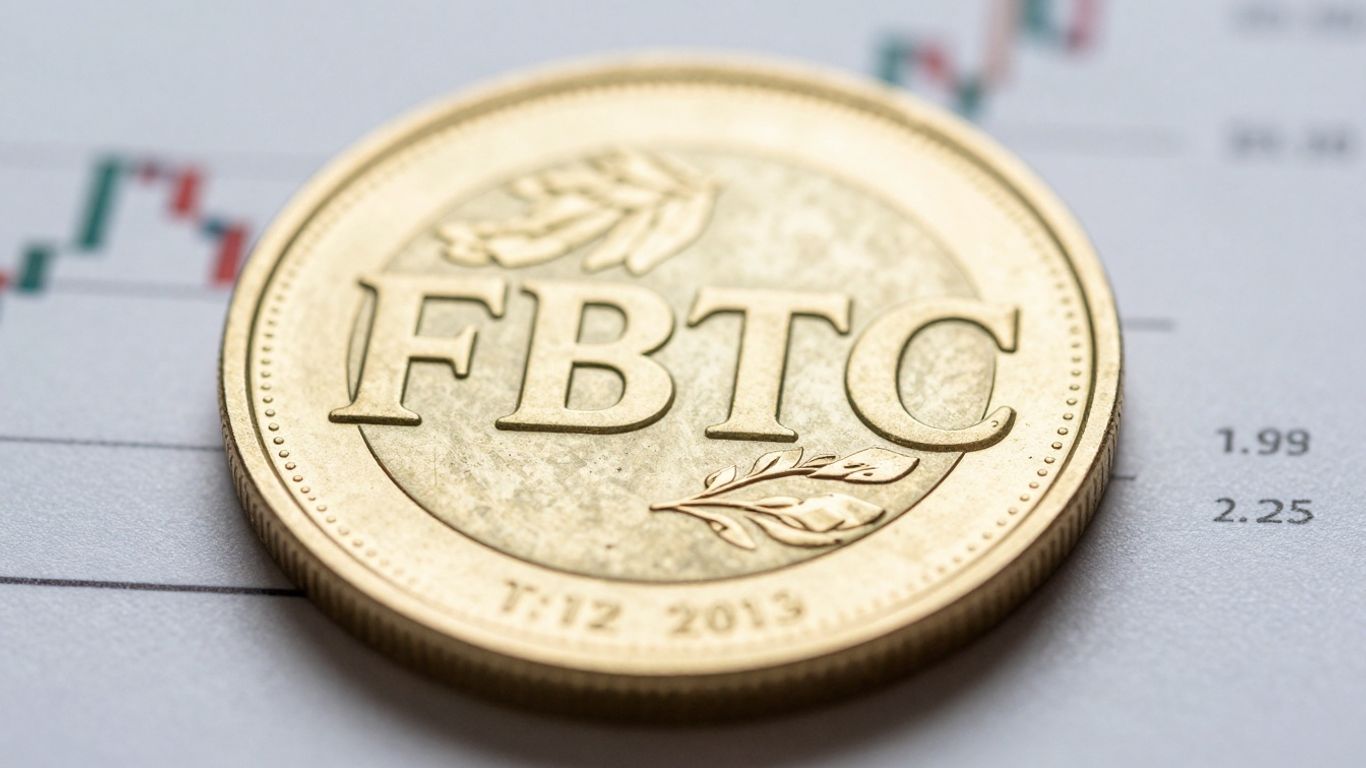
The performance of the Fidelity Wise Origin Bitcoin Fund (FBTC) is pretty straightforward: it moves with Bitcoin. Since the fund holds Bitcoin directly, its value is tied directly to the price of the cryptocurrency. There aren’t any complex strategies or other assets involved to smooth things out. If Bitcoin’s price goes up, FBTC’s value generally follows, and if Bitcoin’s price drops, FBTC tends to drop too.
Returns Based on Price Appreciation
Because FBTC doesn’t pay dividends, any profit you make comes from the difference between what you paid for your shares and what you sell them for. This is called capital appreciation. So, the only way to see a return on your investment is if the price of Bitcoin increases after you buy into the fund. It’s a pure play on the price movement of the digital asset.
Performance Tied Directly to Bitcoin Price
This direct link means FBTC’s performance is essentially a mirror of Bitcoin’s. The fund aims to track the daily spot price of Bitcoin, using data from various trading platforms to figure out its own value. It’s not trying to beat Bitcoin; it’s just trying to keep pace with it. This makes understanding FBTC’s potential returns pretty simple: look at Bitcoin.
Mirroring Bitcoin’s Price Movements
When Bitcoin experiences significant price swings, up or down, you can expect FBTC to do the same. This is a key characteristic for anyone considering an investment in this fund. The fund’s value is calculated based on the price feeds from different trading platforms, aiming to reflect Bitcoin’s market price accurately. This direct correlation is something investors need to be comfortable with, as it means accepting the inherent volatility of the cryptocurrency market. For those looking for exposure to Bitcoin through a traditional brokerage account, FBTC offers a clear path, but it comes with the same ups and downs as owning Bitcoin directly.
Here’s a simplified look at how it works:
- Asset Holding: FBTC holds actual Bitcoin.
- Value Calculation: The fund’s Net Asset Value (NAV) is based on the current market price of its Bitcoin holdings.
- Return Source: All investor returns come from the change in the price of Bitcoin.
The fund’s structure is designed for simplicity, aiming to provide investors with a straightforward way to gain exposure to Bitcoin’s price movements without the complexities of direct cryptocurrency ownership. This means that the fund’s performance will closely follow that of the underlying asset, Bitcoin.
Risk Profile and Investor Suitability for FBTC
Investing in the Fidelity Wise Origin Bitcoin Fund (FBTC) isn’t like putting your money into a savings account or even a typical stock. It’s a different ballgame, and you really need to know what you’re getting into before you commit any cash.
High Volatility and Potential for Loss
Let’s get straight to it: Bitcoin is known for its wild price swings. One day it can be up by a lot, and the next, it can drop just as fast. Because FBTC holds Bitcoin directly, the fund’s value moves right along with Bitcoin’s price. This means your investment could lose a good chunk of its value pretty quickly. It’s not uncommon to see double-digit percentage drops over short periods.
- Significant price fluctuations are expected.
- Capital loss is a real possibility.
- Short-term needs for funds make FBTC unsuitable.
This type of investment is not for the faint of heart. If the thought of your investment value dropping by 20% or more in a few months makes you lose sleep, FBTC is probably not the right fit for your portfolio. It’s really about whether you can handle that kind of uncertainty.
Speculative Nature of Bitcoin Exposure
When you buy FBTC, you’re essentially betting on the future price of Bitcoin. While the ETF offers a more traditional way to get this exposure compared to buying crypto directly, the underlying risks of the digital asset market are still very much present. Past performance is never a guarantee of what will happen next, and since FBTC is a relatively new fund (launched in early 2024), its long-term track record is still being written. This speculative aspect means you should be prepared for the possibility that your entire investment could be lost.
Investor Risk Tolerance Assessment
Before you even think about buying FBTC, you need to take a hard look at your own comfort level with risk. Ask yourself some honest questions:
- Can I afford to lose the money I’m thinking of investing in FBTC?
- Am I okay with the idea that my investment could drop significantly in value, even over a short time?
- Do I have a long-term plan for this money, or might I need it back in the near future?
- Does the thought of big, rapid price swings cause me a lot of stress?
If your answers lean towards caution, FBTC might not be the best choice for your financial goals. However, if you understand these risks and are looking for a way to get exposure to Bitcoin through a regular brokerage account, FBTC can be a more accessible route than trying to manage digital wallets and exchanges yourself.
Operational Aspects of the FBTC ETF
When you look at the Fidelity Wise Origin Bitcoin Fund (FBTC), it operates a bit differently than just buying Bitcoin straight up. It’s built on the traditional stock market system, which means it comes with its own set of rules and costs.
Expense Ratio and Fund Costs
Like most funds you see on the stock market, FBTC has an annual fee, called an expense ratio. This fee covers the day-to-day running of the fund – things like managing the money, keeping the Bitcoin safe, and all the paperwork. For FBTC, this fee is 0.25% each year. So, if you put $1,000 into the fund, you’d pay about $2.50 a year for these services. It might not sound like much, but these costs do add up over time and chip away at your total returns. The fund handles these costs by selling off tiny bits of its Bitcoin holdings now and then.
Trading Hours and Accessibility Constraints
One big difference between FBTC and holding Bitcoin directly is when you can actually buy or sell it. You can only trade FBTC shares during regular stock market hours. This means if something big happens with Bitcoin’s price overnight or on a weekend, you can’t react until the market opens again. This is a constraint you don’t have if you own Bitcoin directly, where you can trade 24/7.
Fidelity’s Operational Framework
Fidelity is the company behind FBTC, and they handle the actual buying and storing of the Bitcoin. This means you don’t have to worry about setting up crypto wallets or managing private keys yourself. They’ve got the infrastructure in place to keep the Bitcoin secure. However, this also means you’re relying on their systems and processes, which are part of the traditional financial world.
Investing in FBTC means you’re essentially using a traditional investment wrapper for a digital asset. This brings familiar market structures, like trading hours and management fees, into the world of Bitcoin investment. It simplifies access but also introduces limitations not present with direct digital asset ownership.
Here’s a quick look at some differences:
- Direct Bitcoin Ownership: Trade anytime, 24/7. You manage your own security and wallets. No management fees, but you bear all security risks.
- FBTC ETF: Trade only during market hours. Fidelity handles custody and security. Incurs an annual expense ratio (0.25%).
Comparative Analysis of Bitcoin Investment Vehicles

When you’re looking at ways to invest in Bitcoin, you’ve got a few main routes. One is buying Bitcoin directly, which means you’re managing your own digital wallet and private keys. It’s a very hands-on approach. Then there’s the FBTC ETF, which offers a more traditional investment path. You buy shares of the fund on a stock exchange, similar to buying stock in a company. Fidelity takes care of holding the actual Bitcoin. This means you don’t have to deal with the technicalities of crypto storage, but you also give up some direct control. The value of FBTC shares is designed to follow Bitcoin’s price, but it’s still an ETF with its own trading dynamics and fees.
FBTC Versus Direct Bitcoin Ownership
Direct Bitcoin ownership puts you in complete control. You manage your own security, which requires some technical knowledge. There are no ongoing management fees, though you will encounter exchange fees when buying or selling. On the other hand, the FBTC ETF provides indirect exposure. It’s managed by Fidelity and trades on stock exchanges, meaning it has an annual expense ratio. This is generally simpler for investors already familiar with traditional markets. The choice often boils down to your comfort with technology versus your desire for convenience and regulatory familiarity.
- Direct Bitcoin: Full control, direct ownership, requires technical know-how for security, no management fees (but exchange fees apply).
- FBTC ETF: Indirect exposure, managed by Fidelity, trades on stock exchanges, has an expense ratio, simpler for traditional investors.
- Futures-based ETFs: These track Bitcoin futures contracts, not the actual asset, which can lead to tracking differences and contango costs.
The decision between direct ownership and an ETF like FBTC hinges on an investor’s comfort with digital asset management versus their preference for a regulated, accessible investment vehicle. Both methods aim to provide exposure to Bitcoin’s price movements, but through fundamentally different operational structures.
Accessibility Through Traditional Brokerage Accounts
A significant advantage of FBTC is its ease of purchase. If you already have an account with a brokerage firm like Fidelity, Schwab, or Robinhood, you can likely buy FBTC shares just like any other stock. This removes a major hurdle for many people who are accustomed to stock market investing but might find setting up and managing a cryptocurrency wallet intimidating. Direct Bitcoin ownership, while becoming more user-friendly, still often requires setting up accounts on crypto exchanges, which can feel like a different world for newcomers. This accessibility makes spot Bitcoin ETFs a more straightforward option for many.
Understanding FBTC Investment Mechanics
FBTC operates as a spot Bitcoin ETF, meaning it directly holds Bitcoin. This is different from older Bitcoin futures ETFs. The fund’s value is intended to closely track the spot price of Bitcoin. However, like all ETFs, it has an expense ratio. FBTC’s expense ratio is 0.25% annually. This fee is deducted from the fund’s assets, impacting overall returns over time. The fund covers these costs by periodically selling small portions of its Bitcoin holdings. While this is a competitive rate, it’s important to remember that these fees do affect your total gains. The ETF trades on stock exchanges during market hours, meaning its price can fluctuate throughout the day, and you can only buy or sell it when the market is open.
Final Thoughts on FBTC
So, after looking at the Fidelity Wise Origin Bitcoin Fund (FBTC), it’s pretty clear this isn’t your typical investment. It’s a straightforward way to get exposure to Bitcoin’s price movements without the hassle of managing crypto yourself. But, and this is a big ‘but,’ it’s tied directly to Bitcoin’s wild ride. Don’t expect any dividend payouts; any gains come solely from Bitcoin’s price going up. If you’re considering FBTC, make sure you’re comfortable with the big price swings and that it fits with your overall financial plan. It’s a different kind of investment, for sure, and understanding its unique nature is key.
Frequently Asked Questions
What is the Fidelity Wise Origin Bitcoin Fund (FBTC)?
The FBTC is a special fund that lets you invest in Bitcoin without actually buying and holding the digital coin yourself. Think of it as an easier way to own a piece of Bitcoin through a regular investment account, making it simpler for many people to get involved in the crypto world.
Does FBTC give out dividends like stocks do?
No, FBTC does not pay dividends. Its value changes based on how the price of Bitcoin moves. So, any money you make from it comes from the Bitcoin price going up, not from regular cash payments.
How do investors make money with FBTC?
FBTC’s performance is directly tied to the price of Bitcoin. If Bitcoin’s price increases, the value of your FBTC investment will likely go up too. If Bitcoin’s price falls, your investment value will probably decrease. It’s all about the price changes of the main digital currency.
Is investing in FBTC considered risky?
Yes, investing in FBTC is considered risky. Bitcoin’s price can change a lot, very quickly, which means the value of FBTC can also swing wildly. You should only invest money you can afford to lose, and it’s best for people who are comfortable with big ups and downs in their investments.
Can I trade FBTC at any time, like Bitcoin itself?
No, unlike Bitcoin which you can trade 24/7, the FBTC fund only trades during regular stock market hours. This means you can buy or sell shares of FBTC only when the stock market is open, typically on weekdays.
What’s the main difference between buying FBTC and buying Bitcoin directly?
Buying FBTC means you’re investing through a regulated fund managed by Fidelity, which handles storing the actual Bitcoin. Buying Bitcoin directly means you’d manage your own digital wallet and keys, which can be more complicated. FBTC offers a simpler, more traditional way to get exposure to Bitcoin’s price.