



The crypto world can feel like a wild ride, right? Prices jump around, and sometimes it feels like everyone’s either panicking or getting way too excited. It’s hard to know what to do. That’s where the cryptocurrency greed index comes in. Think of it as a thermometer for the whole market’s mood. It tries to show if people are feeling super scared or overly confident, and understanding it can help you make smarter decisions with your own investments. We’ll look at what it is, how it’s figured out, and how to use it without getting caught up in the hype.
Key Takeaways
- The cryptocurrency greed index measures overall market sentiment, showing if investors are feeling fearful or greedy on a scale.
- It’s calculated using various factors like price volatility, trading volume, social media buzz, and surveys.
- Understanding extreme readings can help spot potential market turning points, but it’s not a perfect predictor.
- Using the index alongside other research, like Bitcoin’s dominance and project fundamentals, offers a more complete picture.
- The index is best used as a tool to manage your own emotions and make more rational investment choices, rather than a direct buy/sell signal.
Understanding The Cryptocurrency Greed Index
Quantifying Market Sentiment on a Scale
Think of the cryptocurrency market like a giant mood swing. One minute everyone’s excited, thinking prices will go up forever, and the next, panic sets in, and people are selling everything. The Cryptocurrency Greed Index tries to put a number on this rollercoaster. It takes a bunch of different market signals and boils them down into a single score, usually between 0 and 100. This score gives us a snapshot of how investors are feeling overall. A low score means people are scared, and a high score means they’re feeling pretty greedy.
The Emotional Pendulum of Digital Assets
Cryptocurrencies are known for being pretty wild. Prices can jump or drop really fast, and this often happens because of how people feel about the market, not just because of solid news. When prices are climbing, people get excited and want to buy more, worried they’ll miss out. This is the ‘greed’ side. When prices fall, fear takes over, and people rush to sell to avoid losing more money. This index acts like a thermometer for these emotions, showing us if the market is leaning towards fear or greed.
A Barometer for Collective Investor Psychology
This index isn’t just about individual feelings; it’s about what the crowd is doing. It looks at various data points to get a sense of the general mood among all the people trading crypto. It’s like checking the overall vibe of a big party. Are people dancing and having fun (greed), or are they huddled in a corner looking worried (fear)? By looking at this collective psychology, we can get a better idea of where the market might be heading next. It helps us see if the market is getting too carried away with optimism or if it’s overly pessimistic.
The Calculation Behind The Cryptocurrency Greed Index
So, how does this whole "Fear and Greed Index" thing actually work? It’s not just some random guess; there’s a method to the madness. Think of it like putting together a recipe, but instead of ingredients, you’re using different bits of market data. The goal is to get a single number that tells us if people are feeling too scared or way too excited about crypto.
Volatility’s Role in Gauging Fear
One of the big pieces of the puzzle is how much prices are jumping around. When things get really wild, with prices swinging up and down a lot, it often means people are feeling either really scared or really greedy. The index looks at this wildness, especially over short periods, to see if it’s pointing towards panic or euphoria. High volatility can be a sign that emotions are running the show.
Market Momentum and Trading Volume Indicators
Next up, we look at how the market is moving and how much people are actually trading. If prices have been going up for a while and lots of people are buying, that’s a sign of momentum, often linked to greed. On the flip side, if prices are dropping and trading volume is high, it could mean a lot of people are selling in fear. The index checks these trends to get a feel for the overall direction and energy of the market.
Social Media Chatter as a Sentiment Gauge
People love to talk about crypto, especially on social media. This index taps into that by looking at what’s being said online. It’s not just about counting mentions, but more about the tone of those mentions. Are people talking positively, excitedly, or are they expressing worry and doubt? This social buzz can be a pretty good indicator of how the average person is feeling about the market.
Surveys and Bitcoin Dominance Metrics
To round things out, the index often includes data from surveys asking investors how they feel. It also looks at something called Bitcoin dominance. This basically measures how much of the total crypto market value Bitcoin makes up. When Bitcoin’s dominance is high, it often means it’s seen as the safer, more established player, which can influence overall sentiment. These extra bits help paint a fuller picture of what’s going on in everyone’s heads.
Interpreting The Cryptocurrency Greed Index Signals
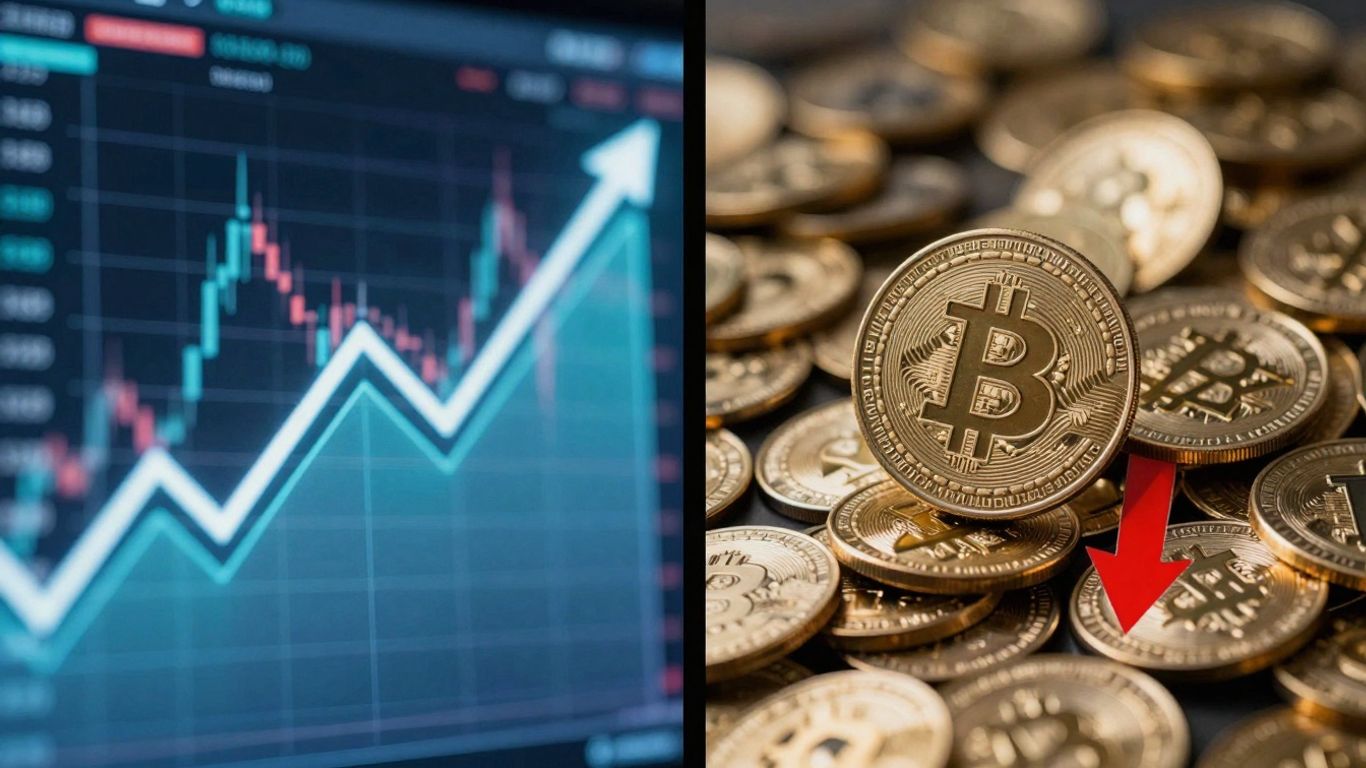
So, you’ve looked at the Crypto Fear and Greed Index, and it’s showing a number. What does that actually mean for your investments? It’s not as simple as just seeing a high or low number and making a move. Think of it like a weather report; it tells you if it’s sunny or stormy, but you still need to decide if you’re going out or staying in.
Navigating Extreme Fear Zones
When the index dips into the "extreme fear" territory, usually below 20, it means a lot of people are really worried. They might be selling off their crypto because they’re scared prices will keep dropping. This widespread panic can sometimes push prices lower than they should be. This is often seen as a potential buying opportunity for those who can stomach the risk. It doesn’t guarantee prices will go up immediately, but historically, markets tend to recover after periods of intense fear. It’s a sign that the market might be oversold.
Here’s what to consider when you see extreme fear:
- Assess your risk tolerance: Can you handle seeing your investment value drop further?
- Look for fundamental value: Is the asset you’re interested in still sound, despite the market panic?
- Consider dollar-cost averaging: Instead of putting all your money in at once, buying small amounts over time can reduce the risk of buying at a temporary peak.
Extreme fear can be a powerful signal, but it’s not a foolproof buy button. It requires careful consideration of your own financial situation and the specific assets you’re looking at.
Recognizing Signals of Extreme Greed
On the flip side, when the index climbs into "extreme greed," typically above 80, it means people are getting a bit too excited. They might be buying a lot because they don’t want to miss out on rising prices (that’s FOMO, or Fear Of Missing Out). This can push prices higher than their actual worth, making the market look overvalued. It’s a signal that a price correction might be on the way. It’s like when everyone rushes to buy a particular stock, driving its price way up.
When you see extreme greed, think about:
- Taking some profits: If you’ve made good gains, it might be smart to sell a portion of your holdings.
- Rebalancing your portfolio: You might want to reduce your exposure to riskier assets.
- Waiting for a pullback: Sometimes, it’s better to wait for prices to cool down before buying.
The Nuance of Sentiment Interpretation
It’s important to remember that the index is just one piece of the puzzle. It reflects how people feel about the market, not necessarily what will happen. Sometimes, markets can stay in a state of extreme fear or greed for longer than you might expect. You can’t just look at the index and make a decision without doing more research. It’s best used alongside other tools and analysis, like looking at the actual price charts and understanding the technology behind the crypto projects. The index is a helpful guide, but it’s not the whole story. You can check the current Crypto Fear and Greed Index to see where we stand today.
Strategic Application of The Cryptocurrency Greed Index
Identifying Potential Market Turning Points
The Cryptocurrency Greed Index can be a useful tool for spotting when the market might be about to change direction. When the index shows extreme fear, it often means that prices have fallen quite a bit, and many people are selling. This could be a sign that the market is oversold and might start to go up soon. Think of it like a rubber band being stretched too far – it’s likely to snap back. On the flip side, when the index shows extreme greed, it suggests that prices have gone up a lot, and people are very excited. This can sometimes mean the market is overbought and might be due for a price drop.
- Extreme Fear (0-25): Often signals a potential bottom or a period of accumulation for patient investors.
- Neutral (45-55): Indicates a balanced market sentiment, neither overly optimistic nor pessimistic.
- Extreme Greed (75-100): May suggest a market top or a period where caution is advised due to potential overvaluation.
It’s important to remember that these are just signals. The market doesn’t always move exactly as the index predicts. Sometimes, extreme fear can last for a long time, and extreme greed can keep going longer than expected. So, while the index can point to possibilities, it’s not a crystal ball.
Bridging Sentiment with Investment Strategies
Understanding where the Greed Index stands can help you adjust how you invest. If the index is in the extreme fear zone, it might be a good time to look for good deals on cryptocurrencies you believe in. This is where strategies like dollar-cost averaging, where you invest a fixed amount regularly, can be helpful. You buy more when prices are low and less when they are high, which can lower your average purchase price over time. Conversely, when the index is in the extreme greed zone, it might be wise to take some profits or at least be more careful about buying new assets at inflated prices. It’s about using the index to inform your decisions, not dictate them.
Tactical Responses to Market Extremes
When the Greed Index hits the extremes, it calls for specific actions. During periods of extreme fear, consider:
- Reviewing your portfolio: Check if any assets have become significantly undervalued due to panic selling.
- Dollar-Cost Averaging (DCA): Continue or start DCA to build positions at lower prices.
- Researching: Use the calmer, fear-driven environment to research promising projects without the hype.
When the index signals extreme greed, think about:
- Taking profits: Selling a portion of your holdings to secure gains.
- Rebalancing: Adjusting your portfolio to reduce exposure to highly speculative assets.
- Setting stop-losses: Implementing measures to limit potential losses if the market turns.
The key is to have a plan in place before these extreme conditions occur. This way, you can react thoughtfully rather than emotionally when the market is in turmoil.
Limitations and Pitfalls of The Cryptocurrency Greed Index

While the Cryptocurrency Greed Index offers a fascinating glimpse into market sentiment, it’s not a crystal ball. Relying on it solely can lead to missteps. It’s important to understand its shortcomings.
The Lagging Nature of Sentiment Data
The index is built on data that reflects what has already happened. This means it’s always looking backward, not forward. By the time the index shows extreme fear or greed, the market might have already moved significantly. This delay means it’s more of a historical record than a predictive tool. For instance, a sudden, unexpected event – a ‘black swan’ – can drastically alter market conditions before the index has a chance to register the shift.
Persistence of Extreme Market Conditions
Sometimes, markets don’t behave as the index might suggest. In a strong bull run, the ‘extreme greed’ reading can stick around for weeks, even months. People get caught up in the excitement, and prices keep climbing. Similarly, during a prolonged bear market, ‘extreme fear’ can become the norm. If you jump out of the market the moment the index hits 80, you might miss out on further gains. Conversely, buying aggressively at 20 might mean you’re only catching the middle of a downward trend.
The Index as a Supplementary Reference
It’s a mistake to treat the Greed Index as the only factor in your investment decisions. It doesn’t tell you anything about the actual value or potential of a specific cryptocurrency project. Things like technological updates, team developments, or changes in government regulations are completely outside its scope. Think of it like this:
- It measures how people feel about the market.
- It doesn’t measure the health of the underlying assets.
- It can be influenced by short-term hype or panic.
The index is a useful thermometer for market emotions, but it doesn’t diagnose the patient’s underlying condition. Always combine its signals with your own research into project fundamentals, broader economic trends, and on-chain data for a more complete picture.
Bitcoin Dominance and Its Influence on Sentiment
Bitcoin’s Role as a Market Yardstick
Bitcoin isn’t just another coin in the digital asset space; it’s often seen as the benchmark for the entire cryptocurrency market. Think of it like the main index on a stock exchange – its performance tends to set the tone. When people talk about the crypto market, Bitcoin is usually the first thing that comes to mind, and its share of the total crypto market value, known as Bitcoin dominance, tells us a lot about where investor confidence is leaning. A rising Bitcoin dominance often suggests that investors are feeling a bit nervous and are sticking to what they perceive as the safest bet in crypto.
Correlations Between Dominance and Fear Patterns
There’s a noticeable link between how dominant Bitcoin is and the general mood captured by the Fear and Greed Index. When the index shows a lot of fear, it’s common to see Bitcoin’s dominance increase. This happens because, during times of market stress, investors tend to pull their money out of smaller, riskier altcoins and put it back into Bitcoin. It’s like everyone rushing to the exit, but heading for the same, slightly more stable door. Conversely, when the market is feeling greedy and optimistic, investors might start exploring those riskier altcoins again, which can cause Bitcoin’s dominance to dip.
Here’s a general idea of how these might line up:
- Extreme Fear: Bitcoin dominance often climbs as investors seek perceived safety.
- Fear: Dominance might increase or stabilize as caution prevails.
- Neutral: Bitcoin dominance can fluctuate as market participants weigh options.
- Greed: Dominance may decrease as investors chase higher returns in altcoins.
- Extreme Greed: Dominance can fall significantly as speculative altcoin trading heats up.
Guiding Portfolio Adjustments with Dominance Data
Understanding these patterns can be pretty helpful when you’re thinking about your own crypto investments. If you see the Fear and Greed Index dipping into fear territory and Bitcoin’s dominance starting to climb, it might be a signal to review your altcoin holdings. You might consider reducing exposure to riskier assets and perhaps increasing your allocation to Bitcoin, or even stablecoins, until the market sentiment improves. It’s not about predicting the future perfectly, but more about having a sensible plan based on what the market seems to be doing. This kind of thinking can help you avoid getting caught in a big sell-off of altcoins when fear really takes hold.
The interplay between Bitcoin’s market share and overall investor sentiment provides a valuable layer of context. It helps to differentiate between a general market downturn driven by fear and a situation where Bitcoin itself is underperforming relative to its peers, which can signal different underlying market dynamics and investor priorities.
Putting It All Together: Your Emotional Compass in Crypto
So, we’ve looked at the Crypto Fear and Greed Index and how it tries to measure what everyone’s feeling about the market. It’s not some magic crystal ball, that’s for sure. Think of it more like a thermometer for the crypto world’s mood. Sometimes it’s super hot with greed, and other times it’s freezing with fear. The main takeaway here is that this index can help you see when things might be getting a bit too extreme, either way. It’s a good reminder that your own emotions can get the best of you in investing. Using this tool, alongside your own research and a solid plan, can help you make smarter choices and hopefully avoid some of the big mistakes that come from just following the crowd or panicking. Keep learning, stay grounded, and remember that understanding these market swings is part of growing as an investor.
Frequently Asked Questions
What exactly is the Crypto Fear and Greed Index?
Think of the Crypto Fear and Greed Index as a mood meter for the cryptocurrency market. It uses a scale from 0 to 100 to show if investors are feeling super scared (fear) or overly excited (greed). It helps us understand if people are making decisions based on panic or excitement.
How is this index calculated?
It’s not just a guess! The index looks at different things like how much prices are jumping around (volatility), how much people are trading (market momentum and volume), what everyone’s saying on social media, and even surveys asking investors how they feel. Bitcoin’s share of the whole crypto market is also considered.
What does it mean when the index shows ‘Extreme Fear’?
When the index is really low, like near 0, it means most investors are feeling very scared. This often happens when prices are dropping a lot. Historically, these times of extreme fear can actually be good opportunities to buy crypto because things might be undervalued.
And what about ‘Extreme Greed’?
If the index is super high, near 100, it means investors are getting too excited and might be ignoring risks. This ‘irrational exuberance’ can happen when prices are going up fast. It’s often a sign that the market might be about to cool down or even drop.
Can I use the Fear and Greed Index to know exactly when to buy or sell?
Not exactly. The index is a great tool to understand the general mood, but it’s not a perfect predictor. Sometimes, extreme fear or greed can last longer than you expect. It’s best to use it alongside other research, like looking at the actual project’s details and the bigger economic picture, rather than relying on it alone.
Why is Bitcoin’s dominance important for this index?
Bitcoin is like the leader of the crypto world. When people get scared, they often move their money to Bitcoin because it’s seen as safer than other, smaller coins (altcoins). So, how much of the total crypto market Bitcoin controls can give clues about whether investors are feeling fearful or bold.