

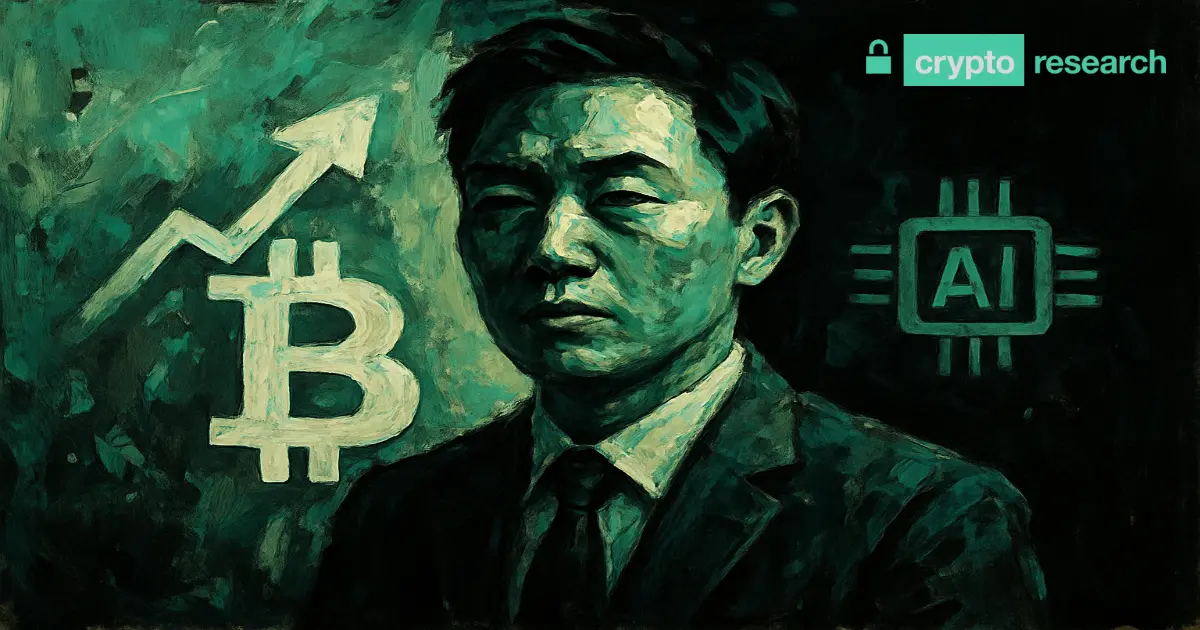


South Korea’s Tax Agency Deploys AI to Monitor Crypto Gains
In a pioneering move, South Korea’s National Tax Service (NTS) has announced the development of an artificial intelligence (AI) system to analyze cryptocurrency transaction data. This initiative is part of the government’s preparations to implement a long-awaited tax on digital asset gains, set to take effect in January 2027.
Context
South Korea’s government first proposed taxing cryptocurrency investment gains in 2020. The initial rollout, scheduled for 2021, faced challenges including significant opposition from the cryptocurrency industry and political disagreements regarding tax thresholds. With these hurdles now addressed, the tax is expected to impose a 20% income tax, alongside an additional local tax of 2%, on annual cryptocurrency gains that exceed 2.5 million won (approximately $1,700). This vital measure signals the government’s commitment to regulating the booming digital asset sector while ensuring tax compliance.
Key Details
The NTS recently opened a procurement bid worth approximately 3 billion Korean won (around $2 million) aimed at creating an integrated platform that can efficiently handle large volumes of cryptocurrency trading data. The forthcoming system will employ advanced AI and machine learning algorithms to detect unusual transaction types and patterns, serving as a tool to identify potential tax evasion.
According to the project timeline, the NTS will select a contractor by March 2024. From April, the design phase will commence, followed by testing periods throughout the year. A pilot program is set for launch in November, with full system deployment expected by December 2024. This strategic approach ensures a thorough and phased implementation process.
The platform’s primary objectives include supporting tax audits, uncovering hidden income from non-compliant taxpayers, and closely monitoring crypto trading for signs of tax evasion. The NTS plans to collaborate with other regulatory bodies, sharing analysis data and a list of suspected offenders with the Korea Customs Service and the Bank of Korea. Such inter-agency cooperation underlines the broader governmental strategy to ensure comprehensive oversight of the cryptocurrency market.
Implications
Deploying AI to monitor cryptocurrency transactions marks a significant shift towards automated enforcement mechanisms within South Korea’s tax framework. This approach aims to enhance the efficiency and effectiveness of tax collection, particularly in light of the rapidly increasing volume and complexity of crypto trading activities. As digital currencies gain popularity, the need for sophisticated regulatory measures becomes more critical.
By leveraging AI technology, the NTS anticipates improving its ability to detect and address tax evasion. “We believe that the integration of AI will allow us to better understand and regulate the cryptocurrency landscape,” stated an NTS official, emphasizing the importance of adapting to technological advancements in the financial sector.
Outlook
With the NTS making strides in the development and implementation of this AI system, stakeholders in South Korea’s financial and crypto industries are keenly observing its potential impact on tax compliance and enforcement. If successful, this initiative may set a precedent for other jurisdictions grappling with how to regulate and tax digital assets effectively. Countries worldwide are watching closely, as the outcome of South Korea’s endeavor could influence regulatory frameworks in regions ranging from North America to Europe.
The full realization of this AI monitoring system comes at a crucial time, as the global cryptocurrency market continues to evolve. Stakeholders, including traders, investors, and policymakers, must prepare for the implications of stricter taxation and oversight in an area that has previously enjoyed a degree of regulatory ambiguity. As South Korea positions itself as a leader in digital asset taxation, its actions may shape the future landscape for cryptocurrencies on an international scale.