

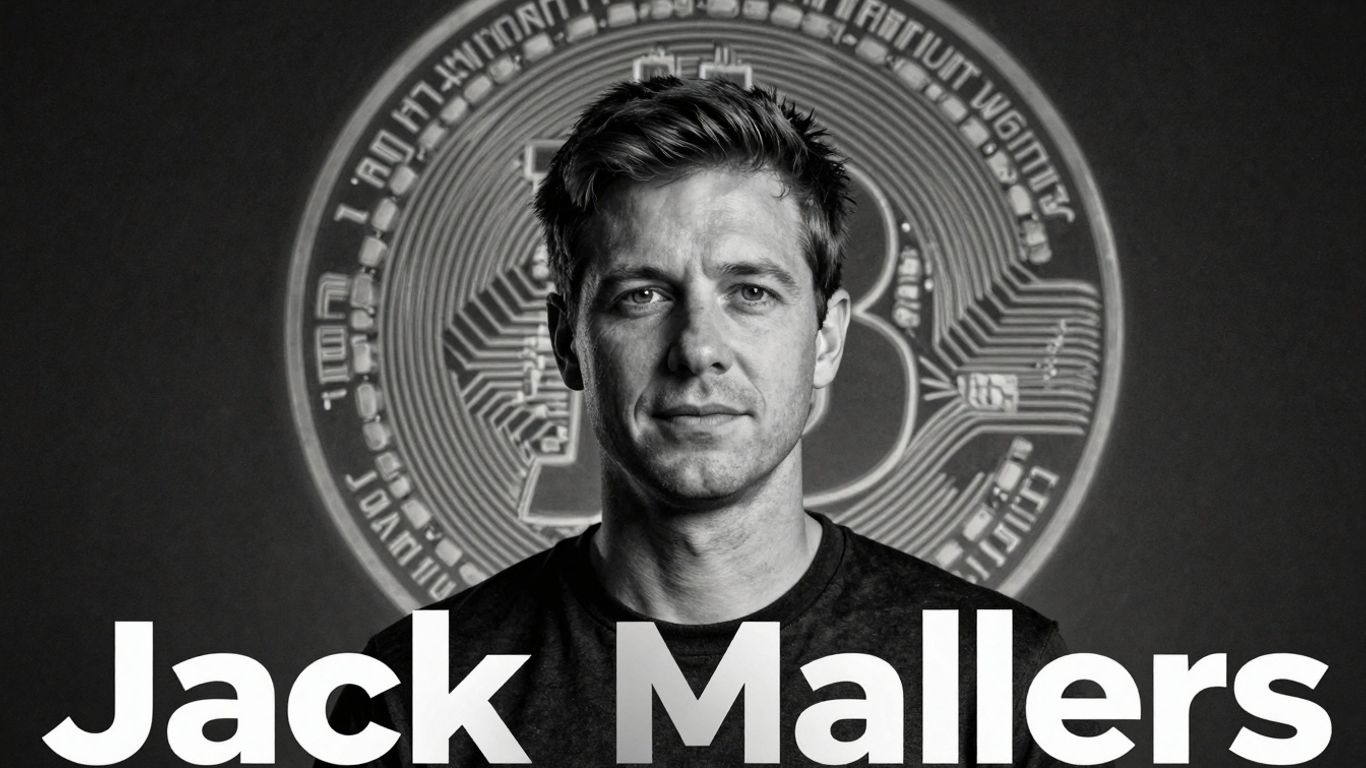


So, who is Jack Mallers? You might have heard the name, especially if you’re into Bitcoin or financial tech. He’s the guy behind Strike, a payment app that’s making some serious noise. Think of him as someone who saw a problem with how money moves around the world and decided to build a solution, using Bitcoin as the backbone. It’s not just about new tech; it’s about making financial services work better for everyone, everywhere. He’s got big ideas and isn’t afraid to go after them, which is why people are talking.
Key Takeaways
- Jack Mallers, the founder of Strike, left college early and became a strong supporter of Bitcoin’s ability to change global finance.
- Strike’s main goal is to make cash work with an open money system, aiming for better and cheaper transactions for people worldwide.
- The company is focused on growing quickly in places that need better financial tools, but also has plans for developed markets like the US and Europe.
- Mallers sees Bitcoin as a way for athletes and independent brands to build wealth and manage their money, especially given short career spans.
- Strike aims to become a major consumer brand, like Apple or Nike, by building a user-friendly experience on an open, global network.
The Genesis Of Jack Mallers’ Vision
From Collegiate Dropout To Bitcoin Advocate
Jack Mallers’ journey into the Bitcoin world wasn’t exactly a straight shot. He was a student, like many, who started to wonder about the usual path of college and then a career. This time of not being sure what to do next actually turned out to be a good time for him to look into different things. Instead of finishing a degree, Mallers left school. This gave him the space to check out new ideas and systems. It was during this period that he came across Bitcoin. The idea that this digital money could shake up the old financial systems and open up new ways for people to be involved in the economy really caught his attention. What started as curiosity quickly grew into a strong belief in how much Bitcoin could change things.
The Spark Of Ambition: Bitcoin’s Transformative Power
Mallers wasn’t just interested in Bitcoin because it was new technology; he saw its potential to really change how money works globally. He didn’t just see Bitcoin as something to trade for profit. Instead, he viewed it as a tool that could fix big problems with how people access financial services and economic freedom. The thought that a system that wasn’t controlled by any single company, and was open for anyone to use, could cut out the middleman, lower costs, and give people who don’t have many financial options a way to participate. This vision of a fairer financial future, built on Bitcoin, really fueled his drive to create something real that could make these ideas happen.
Mallers’ early exploration led him to question established financial structures, finding in Bitcoin a potential solution for broader economic participation and a more equitable system.
Founding Strike: A Commitment To Global Financial Inclusion
Strike’s Core Innovation
Jack Mallers founded Strike with a pretty clear goal: make the benefits of Bitcoin available to everyone, everywhere. The main idea was to build an app that was easy to use and could tap into Bitcoin’s Lightning Network. This network is like a fast lane for Bitcoin transactions, making them quick and cheap. Strike was created to bridge the gap between the complicated world of crypto and what regular people and businesses actually need. From the start, the focus has been on practical uses, showing how Bitcoin can be a reliable way to pay and a safe place to store value, especially where traditional banks don’t work so well. This aim to include everyone financially is still central to what Strike does.
Strike’s main innovation is making regular money work with an open financial network. This isn’t just about a new app; it’s about changing how money moves around the world. The goal is to create the best financial experience possible for everyone, and being an open network is a big part of that. This openness means Strike can aim to serve all eight billion people on the planet.
Here’s how it works:
- Connecting Cash: Strike lets you use your existing money, like dollars in your bank account or on a debit card, and connect it to the Bitcoin network. It uses the Lightning Network for speed.
- Abstracting Complexity: Users get the advantages of fast, cheap, global transactions without needing to directly handle Bitcoin. This means no worries about volatility or complex tax rules for everyday spending.
- Open Network: By being an open network, Strike allows developers and businesses to build new services on top of its infrastructure. This encourages innovation and creates more ways for people to use the system.
The company recognized early on that for a new monetary network to gain widespread adoption, it needed to overcome the inherent complexities and disincentives associated with traditional Bitcoin usage. This meant abstracting away the asset itself from the day-to-day transaction, allowing users to benefit from the underlying network’s speed and low cost without directly interacting with Bitcoin’s volatility or tax implications.
A Vision For Universal Financial Access
Strike’s ambition goes beyond just offering a payment service; it’s about building a global financial system that’s accessible to everyone. Mallers envisions Strike as a major consumer brand, comparable to giants like Apple or Nike. This is possible because Strike’s business model aligns with user interests, offering lower fees for businesses and more options for consumers. This win-win scenario, powered by Bitcoin’s technology, is what Mallers believes will drive Strike’s growth.
The company’s strategy involves targeting regions where traditional financial systems are less developed or present significant barriers. This focus on developing countries is driven by the belief that these populations can benefit the most from better financial tools, promoting economic freedom and greater participation in the global economy. Strike’s expansion is not just about market share; it’s deeply tied to this mission of economic inclusion.
Key aspects of this vision include:
- Prioritizing Remittance Markets: Focusing on countries with high volumes of money being sent home by workers abroad, offering a cheaper and faster alternative to current services.
- Tailored User Experience: Developing services that meet the specific needs and contexts of local users, making adoption easier.
- Building Local Partnerships: Collaborating with local businesses and governments to integrate Strike into existing economies and build trust.
Strike aims to create a financial experience that is both powerful and simple, removing technical barriers and making financial interactions intuitive. This focus on the consumer journey is intended to build a trustworthy platform that people want to use daily, ultimately aiming for universal financial access.
Jack Mallers’ Impact On Athletes And Independent Brands

Empowering Athletes As Independent Businesses
Jack Mallers looks at athletes, from those just starting out in college to seasoned pros, as essentially running their own small businesses. This viewpoint comes from understanding that athletic careers are often quite short and come with a lot of uncertainty. Teams or organizations might not offer long-term support if an athlete gets injured or their performance dips. Mallers believes athletes build up significant personal brands and attract large followings, and they should be able to make money directly from these assets. Strike aims to give them the tools to do just that, letting athletes take charge of their financial futures.
Bitcoin As A Tool For Generational Wealth
The typical career for a professional athlete, especially in leagues like the NFL, is surprisingly brief – often just a little over three years. Mallers points out that this isn’t usually enough time to build lasting wealth, no matter how famous the athlete is. He suggests using Bitcoin as a way to hold onto wealth over the long haul, potentially helping athletes secure their financial legacy beyond their playing days. This is different from how traditional finance often works, which might not fully consider the unique financial timelines athletes face. It’s about making sure their hard-earned money can work for them for years to come, even after they stop competing. This approach could be a game-changer for athletes looking to secure their family’s future, offering a path to generational wealth.
Facilitating Monetization For Collegiate Athletes
Collegiate athletes, in particular, can really benefit from being able to make money from their personal brands. They often face even more limits and fewer chances to earn compared to professional athletes. Mallers sees a chance for these athletes to really lean into their status as individuals, build up their brands, and save their earnings in a way that holds value long-term. This is especially timely with new rules from the NCAA that allow for this kind of monetization, opening up a new route for financial independence.
- Athlete as Brand: Recognizing the athlete’s personal brand as a primary asset.
- Short Career Span: Addressing the financial challenges posed by limited career lengths.
- Wealth Preservation: Utilizing Bitcoin for long-term wealth storage and growth.
- Monetization Tools: Providing platforms for athletes to directly profit from their influence.
The idea that athletes are just cogs in a machine is outdated. They are individuals with unique brands and massive reach. Providing them with tools to control and grow their wealth independently is not just a business opportunity; it’s about financial autonomy.
Strike’s Strategic Partnerships And Investment
The Role of Tether and SoftBank
Strike’s growth and ambition are significantly bolstered by strategic alliances and financial backing. The company has secured investment from prominent entities, including SoftBank and Tether. These partnerships are not merely about capital infusion; they represent a validation of Strike’s vision and its potential to reshape global finance. SoftBank, known for its substantial investments in technology companies worldwide, brings not only financial resources but also a wealth of experience in scaling businesses. Tether, a major player in the stablecoin market, offers a different kind of synergy, potentially integrating its stablecoin technology to further enhance transaction speed and accessibility on the Strike network. This combination of venture capital and established crypto infrastructure provides a robust foundation for Strike’s aggressive expansion plans.
Cantor Fitzgerald’s Market Navigation
Another key relationship is with Cantor Fitzgerald, a global financial services firm. This partnership is particularly important for navigating the complexities of traditional financial markets and regulatory landscapes. Cantor Fitzgerald’s deep understanding of capital markets and its established presence can help Strike bridge the gap between the nascent world of Bitcoin and the established financial system. This collaboration is instrumental in developing compliant and scalable financial products, especially as Strike looks to expand its services in regulated markets. It’s about making sure that as Strike grows, it does so with the support and understanding of the existing financial infrastructure, which is a big deal for long-term stability.
Strike’s strategic approach to partnerships and investment can be broken down into a few key areas:
- Capital Infusion: Securing funding from major investors like SoftBank to fuel operational growth and product development.
- Technological Synergy: Collaborating with entities like Tether to explore and implement innovative stablecoin solutions for payments.
- Market Access and Compliance: Working with established financial institutions such as Cantor Fitzgerald to navigate regulatory hurdles and gain access to traditional financial channels.
- Ecosystem Development: Building relationships with businesses and developers to encourage the use and creation of applications on the Strike platform.
The company’s strategy hinges on building trust and demonstrating tangible benefits to users and businesses alike. By aligning with reputable partners and carefully managing its financial growth, Strike aims to establish itself as a credible and transformative force in the global financial sector. This measured approach is designed to ensure sustainable expansion rather than rapid, potentially unstable growth.
This careful selection of partners and investment sources indicates a deliberate strategy to not only grow the company but to do so in a way that is sustainable and widely accepted within both the traditional and digital finance worlds. It’s a balancing act that requires foresight and strong relationships.
Jack Mallers’ Perspective On Financial Systems

Mallers often speaks about the current financial system with a critical eye. He points out how much it relies on debt and leverage, suggesting this creates a shaky foundation. It’s like building a house on sand, he implies, where a small shake could bring the whole thing down. He’s not just talking about hypothetical problems; he sees these issues playing out in real-time, drawing parallels to past financial troubles.
Critique Of The U.S. Financial System
He frequently discusses the U.S. financial system, highlighting what he sees as inherent fragilities. A key concern is the reliance on debt, which can lead to instability. Mallers suggests that the system’s structure, while functional for a time, may be reaching its limits. This perspective isn’t about outright rejection, but rather an observation of potential weaknesses that could be addressed.
- Over-reliance on debt: The system’s growth is often fueled by borrowing, which can create significant risk.
- Centralized control: Decisions made by a few can have widespread consequences, lacking broad input.
- Inflationary pressures: The constant creation of new money can devalue existing savings over time.
The current financial architecture, while complex and deeply integrated, appears to be facing structural challenges. These issues are not new, but their persistence and potential for amplification are a cause for concern among those observing economic trends.
Bitcoin As A Sound Asset In Economic Instability
In contrast to the perceived weaknesses of traditional finance, Mallers presents Bitcoin as a more stable alternative, especially during uncertain economic times. He views it as a form of digital gold, a way to preserve wealth when fiat currencies might be losing value. This idea is particularly relevant when economic conditions become unpredictable, making people look for assets that hold their worth. Mallers believes Bitcoin offers a predictable, decentralized store of value that is not subject to the same pressures as government-backed currencies. This makes it an attractive option for individuals and institutions seeking to protect their assets.
- Decentralized nature: No single entity controls Bitcoin, reducing the risk of arbitrary policy changes.
- Fixed supply: There will only ever be 21 million Bitcoin, creating scarcity that can support its value.
- Global accessibility: Anyone with an internet connection can access and use Bitcoin, bypassing traditional banking hurdles.
This view positions Bitcoin not just as a speculative investment, but as a fundamental tool for financial resilience in an increasingly volatile world. It’s about having a reliable option when other systems falter, a concept that resonates with many looking for financial stability.
The Future Trajectory Of Strike
Building A Major Consumer Brand
Strike is aiming to become a household name, much like established tech giants. The strategy involves creating a user experience that feels familiar and simple, removing the technical hurdles often associated with new financial tools. This focus on the everyday user is key to making financial services accessible to a wider audience. The goal is to build a brand that people trust and want to use for their daily financial needs.
Fostering An Open, Extensible Network
Beyond just a consumer product, Strike is developing a platform. By offering an open API, they invite developers and businesses to build new applications and services on top of their infrastructure. This approach encourages innovation and allows for a diverse ecosystem of financial tools to emerge, far beyond what Strike could create on its own. It’s about creating a foundation for future financial development.
Here’s a look at Strike’s planned expansion:
- United States: Launching services like a Visa card and direct deposit options to compete with existing financial providers.
- Europe/UK: Developing a similar product suite, pending regulatory review.
- Developing Nations: Aggressively scaling services based on market readiness, focusing on areas where accessible digital payments can have the most significant impact.
Strike’s expansion strategy involves careful navigation of different regulatory environments. They prioritize transparency and compliance to build trust, understanding that this is critical for financial services.
| Region | Current Status | Future Plans |
|---|---|---|
| El Salvador | Active Launch | Continued service expansion |
| United States | Beta Testing/Launch | Visa Card, Direct Deposit, further services |
| Europe/UK | Planning/Roadmap | Similar product suite to US, regulatory review |
| Other Dev. | Exploration/Pilots | Aggressive scaling based on market readiness |
Looking Ahead: Jack Mallers’ Continued Journey
So, what’s the takeaway from all this? Jack Mallers, the guy behind Strike, has really put himself out there with some big ideas about Bitcoin. He dropped out of college, saw something special in Bitcoin, and decided to build a company, Strike, to make financial stuff work better for everyone. It’s not just about the tech; it’s about trying to make things fairer, especially for people who don’t have easy access to good financial tools. He’s got plans for athletes, brands, and even developing countries. It’s a lot to take in, and honestly, some of it is still pretty new. But you get the feeling he’s serious about this and plans to stick with it. He’s also talking about letting others build on what he’s created, kind of like how big tech companies work. It seems like the goal is to become a major name, maybe even as big as Apple or Nike, all because of what Bitcoin can do. It’s a bold plan, and it’s clear they’re pushing forward.
Frequently Asked Questions
Who is Jack Mallers and what is Strike?
Jack Mallers is the creator of Strike, a payment app. He’s a big supporter of Bitcoin and believes it can make money easier and cheaper for everyone, everywhere. Strike uses Bitcoin’s technology to help people send and receive money faster and for less cost.
Why did Jack Mallers drop out of college?
Jack Mallers left college because he started questioning the usual path of education and work. This gave him the time to explore new ideas, and he discovered Bitcoin. He saw how it could change the way money works and decided to focus on that instead.
How does Strike help people around the world?
Strike wants to make financial services available to everyone. It’s especially helpful in places that don’t have easy access to banking. By using Bitcoin’s network, Strike can offer faster and cheaper ways to move money, which can help people and businesses grow.
How can Strike help athletes and brands?
Jack Mallers believes athletes are like small businesses with often short careers. Strike can help them earn and save money better, building wealth for the future. It also helps college athletes make money from their names and images, which wasn’t easy before.
What does Jack Mallers think about the current financial system?
He thinks the current money system in places like the U.S. has problems and can be unstable. Mallers sees Bitcoin as a safer option, especially when the economy is shaky. He believes it’s a better way to store value over time compared to regular money.
What is the future plan for Strike?
Strike wants to become a well-known brand that people use every day, like Apple or Nike. They are building a system that’s easy to use and open for others to create new things on top of it, all powered by Bitcoin’s technology.