



The world of digital assets is growing, and keeping track of it all can be a challenge. That’s where S&P Dow Jones Indices comes in. They’ve developed a set of tools, called the S&P cryptocurrency indices, to help people understand and invest in this new market. Think of them like a roadmap for digital money and related businesses. This article will walk you through what these indices are, how they work, and why they’re becoming important for investors.
Key Takeaways
- S&P Dow Jones Indices offers tools like the s&p cryptocurrency indices to help investors track the digital asset market.
- These indices are designed to be transparent and follow clear rules, making it easier to understand how they are built and maintained.
- The S&P Digital Markets 50 Index is a notable example, combining cryptocurrencies with crypto-linked stocks.
- Using these indices can help investors get a broader view of the crypto space and manage potential risks.
- As digital assets become more common in finance, the role of these indices in bridging traditional and new markets is growing.
Understanding the S&P Cryptocurrency Indices Landscape

The Evolution of Digital Asset Benchmarking
The world of finance is always changing, and the rise of digital assets like cryptocurrencies is a big part of that. For a long time, if you wanted to track how the stock market was doing, you looked at things like the S&P 500. But what about digital assets? They’ve grown a lot, from being a niche interest to something many investors are looking at. Early on, tracking these assets was pretty difficult. There wasn’t a clear way to see how the whole market, or even parts of it, were performing. People often had to rely on less formal methods or track individual coins themselves. This made it hard to compare performance or make informed investment decisions.
S&P Dow Jones Indices has stepped in to create more structured ways to measure this new market. They’ve started developing indices specifically for cryptocurrencies. Think of these like the scorecards for the digital asset world. They aim to provide a clear, rules-based way to see how different parts of the crypto market are doing. This is a big deal because it brings a level of familiarity and rigor that traditional investors are used to.
S&P Dow Jones Indices’ Role in Digital Asset Markets
S&P Dow Jones Indices, a well-known name in financial benchmarking, is now playing a part in the digital asset space. They are known for creating indices that many people use to understand and invest in traditional markets. Now, they are applying that same approach to cryptocurrencies. This means they are building tools that can help investors see how digital assets are performing in a consistent way.
They’ve launched several indices, like the S&P Bitcoin Index and the S&P Cryptocurrency Broad Digital Market Index. These aren’t just random collections of coins; they are put together using specific rules. This helps make the process more transparent. It’s like having a referee in a game who follows the same rules for everyone. This is important because the digital asset market can be pretty wild, and having clear benchmarks can help bring some order.
Key Considerations for Digital Asset Investment
When you’re thinking about investing in digital assets, there are a few things to keep in mind. It’s not quite the same as buying stocks. Here are some points to consider:
- Volatility: Digital assets can swing in price much more dramatically than traditional assets. What goes up can come down very quickly, and vice versa. It’s important to be prepared for this.
- Regulation: The rules around digital assets are still developing in many places. This can create uncertainty for investors.
- Technology: Understanding the underlying technology, like blockchain, can be helpful, though not always strictly necessary for index investing.
- Diversification: Just like with stocks, spreading your investments across different digital assets or using indices that cover a range of assets can help manage risk.
The digital asset market is still relatively new compared to traditional financial markets. While it offers potential opportunities, it also comes with unique risks. Using indices can provide a way to gain exposure to this market in a more structured and potentially less risky manner than picking individual assets, but it’s still important to do your homework and understand what you’re investing in.
For example, S&P Dow Jones Indices has created indices that combine cryptocurrencies with crypto-linked equities. This offers a different way to get exposure to the digital asset ecosystem, blending the direct ownership of digital coins with investments in companies that are involved in the crypto space. This hybrid approach is one of the ways the industry is trying to make digital assets more accessible and understandable for a wider range of investors.
Core Methodologies of S&P Cryptocurrency Indices
Index Construction Principles
Building a cryptocurrency index isn’t just about picking a few popular coins and calling it a day. S&P Dow Jones Indices follows a structured approach to make sure these benchmarks are reliable. They aim for transparency and consistency, which is pretty important when you’re dealing with something as new and sometimes wild as digital assets. The goal is to create indices that accurately reflect the performance of specific segments of the crypto market.
Asset Selection Criteria
So, how do they decide which digital assets make the cut? It’s not random. There are specific rules they stick to. Generally, they look at things like:
- Market Capitalization: The overall value of a cryptocurrency in the market. Bigger is usually more stable.
- Liquidity: How easily can you buy or sell the asset without drastically changing its price? High liquidity means it’s easier to trade.
- Public Float: The portion of a cryptocurrency’s supply that’s actually available for trading.
- Regulatory Compliance: They consider if the asset meets certain legal and regulatory standards, which can be tricky in the crypto space.
The selection process is designed to filter out assets that might be too small, too hard to trade, or too risky to be representative of a broader market trend. It’s about building a solid foundation for the index.
Rebalancing and Maintenance Procedures
Cryptocurrencies move fast, so indices need to keep up. S&P Dow Jones Indices has set procedures for how often they review and adjust the assets in their indices. This is called rebalancing.
- Regular Reviews: Indices are typically reviewed on a quarterly basis. This means they check if the current assets still meet the selection criteria.
- Weight Adjustments: Based on market changes, the weighting of each asset within the index might be adjusted. For example, if Bitcoin’s market cap grows significantly, its weight in a broad index might increase.
- Adding/Removing Assets: If a new digital asset meets the criteria and a current one no longer does, changes are made to keep the index accurate.
This ongoing maintenance is key to making sure the index remains a true reflection of the market it’s supposed to track. It’s like tending a garden; you have to keep weeding and watering to keep it healthy.
Navigating the S&P Digital Markets 50 Index
A Hybrid Approach to Crypto Exposure
The S&P Digital Markets 50 Index represents a novel approach to tracking the digital asset space. It’s not just about cryptocurrencies; it’s a hybrid index that combines both digital assets and publicly traded companies involved in the crypto ecosystem. This means you get exposure to the direct price movements of certain cryptocurrencies alongside the performance of companies that provide infrastructure, financial services, or develop applications related to blockchain and digital assets. This dual exposure aims to offer a more complete picture of the digital asset market’s performance.
Components and Weighting
This index is designed to include 50 constituents. The breakdown typically involves a mix of cryptocurrencies and crypto-linked equities. For instance, it might include 15 selected cryptocurrencies from the S&P Cryptocurrency Indices and 35 companies operating within the digital asset space. The weighting methodology is key; it’s designed to reflect the market capitalization of the included assets, providing a benchmark that mirrors the overall market’s value. This ensures that larger, more established players and cryptocurrencies have a greater influence on the index’s performance.
- Cryptocurrencies: A selection of 15 digital assets chosen based on specific criteria.
- Crypto-Linked Equities: 35 publicly traded companies with significant involvement in the digital asset industry.
- Weighting: Primarily market-capitalization-based, reflecting the relative size of each component.
Investment Implications and Use Cases
The S&P Digital Markets 50 Index offers several potential benefits for investors. It provides a rules-based, transparent benchmark for a rapidly evolving market. For those looking to gain diversified exposure to the digital asset world without picking individual assets, this index can serve as a valuable tool. It can be used for:
- Performance Measurement: Benchmarking investment strategies focused on digital assets and related equities.
- Product Development: As the basis for exchange-traded funds (ETFs) or other investment products.
- Market Analysis: Understanding the broader trends and performance across both direct digital assets and the companies supporting them.
The creation of indices like the S&P Digital Markets 50 Index is a step towards bridging traditional finance with the emerging digital asset markets. By applying established index construction principles to this new asset class, S&P Dow Jones Indices aims to bring greater transparency and accessibility to investors interested in this space.
Performance Evaluation and Risk Management
When looking at any investment, figuring out how it’s doing and what could go wrong is super important. For S&P Cryptocurrency Indices, this means checking their performance against what they’re supposed to track and understanding the risks involved. It’s not just about the ups; it’s about being ready for the downs too.
Assessing Index Performance
How do we know if an index is doing its job? We look at its returns over different periods – short-term, long-term, you name it. We compare these returns to the actual performance of the cryptocurrencies the index is supposed to represent. Think of it like checking if a student’s grades match their potential. We also look at things like volatility, which is how much the index’s value swings up and down. A steady climb is usually better than a wild rollercoaster.
- Return Metrics: Analyzing total returns, annualized returns, and risk-adjusted returns.
- Benchmarking: Comparing index performance against relevant crypto assets or other indices.
- Tracking Difference: Measuring how closely the index follows its underlying assets.
Risk Control Strategies for Digital Assets
Cryptocurrencies are known for being a bit wild. So, managing the risks is a big deal. Indices try to do this in a few ways. They might limit how much of any single coin is in the index, or they might have rules about which coins can even be included in the first place. It’s all about trying to smooth out the ride a bit. For investors, understanding these strategies helps them decide if the index fits their comfort level with risk. You can find tools to help with this, like those for informed decision-making.
The inherent volatility of digital assets presents unique challenges for traditional risk management frameworks. Indices aim to provide a more structured approach, but investors must remain aware of the underlying asset class’s characteristics.
The Impact of Market Volatility on Indices
Market volatility is the name of the game in crypto. Big price swings can happen fast, and indices feel this too. When the market is choppy, index values can jump around a lot. This affects how investors see the index’s reliability. While indices are designed to reflect the market, extreme volatility can sometimes make them seem less predictable in the short term. It’s a constant balancing act for index providers to keep them relevant and stable enough to be useful benchmarks.
The Growing Significance of S&P Cryptocurrency Indices
Bridging Traditional and Digital Finance
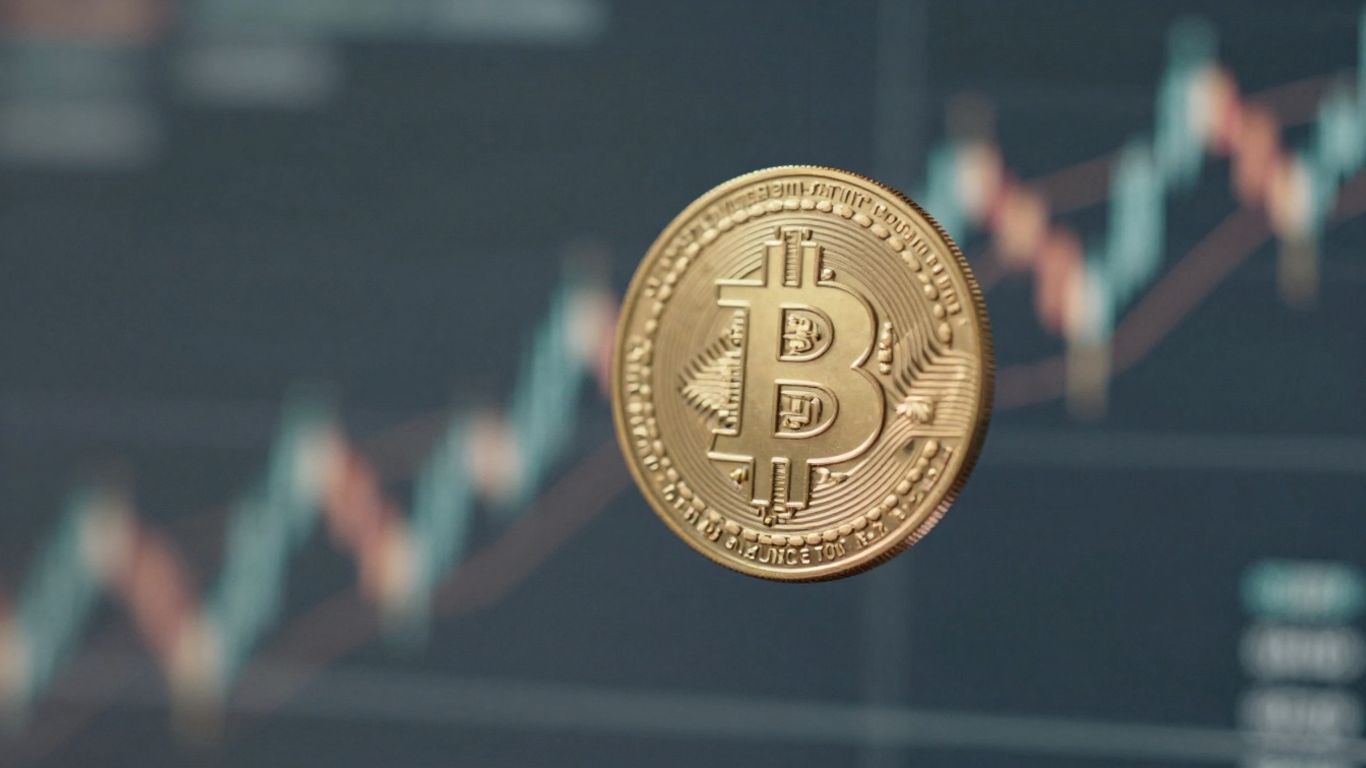
It’s pretty clear that digital assets aren’t just a passing fad anymore. They’ve moved from the fringes to become a real part of the financial world. S&P Dow Jones Indices is stepping up by creating tools that help people understand and get involved with these new markets. Think of it like building bridges between the old way of doing finance and this new digital frontier. This helps investors who are used to stocks and bonds see how crypto might fit into their plans, whether that’s for spreading out their investments, aiming for growth, or just exploring new tech.
Enhancing Transparency and Accessibility
One of the biggest hurdles in the crypto space has always been figuring out what’s what. It can be pretty opaque. That’s where indices come in. By creating clear, rules-based benchmarks, S&P DJI is bringing a much-needed dose of transparency. It makes it easier for everyone, from big institutions to individual investors, to get a handle on how these markets are performing. This makes the whole digital asset world feel a bit more accessible and less like a black box.
Global Adoption Trends in Digital Asset Investing
We’re seeing this trend pop up all over the globe. From North America to Europe to Asia, people are starting to look at digital assets as a legitimate part of their investment strategy. It’s not just about Bitcoin or Ethereum anymore; it’s about a whole ecosystem of companies and technologies. The development of indices that cover this broad spectrum reflects this growing acceptance and the increasing demand for structured ways to engage with this evolving market.
The integration of digital assets into mainstream investment portfolios is accelerating, driven by a desire for diversification and potential for high returns. However, the inherent volatility and evolving regulatory landscape necessitate robust benchmarking tools to provide clarity and confidence to market participants.
Here’s a look at how different types of digital asset investments are being tracked:
- Cryptocurrencies: Direct exposure to digital currencies like Bitcoin and Ethereum.
- Crypto-Linked Equities: Shares in companies that are involved in the digital asset ecosystem, such as exchanges, miners, or technology providers.
- Hybrid Indices: Blending both cryptocurrencies and crypto-linked equities for a more diversified view of the digital asset market.
This expansion of index offerings is a clear signal that digital assets are maturing and becoming a more integrated part of the global financial system.
Looking Ahead
So, we’ve talked about how S&P Dow Jones Indices is stepping up with new ways to track the crypto world. They’re creating these indices, like the S&P Digital Markets 50, that mix cryptocurrencies with stocks of companies involved in crypto. This is a big deal because it gives investors clearer, more organized ways to see how this whole digital asset space is doing. It’s like getting a reliable map for a new territory. As crypto keeps growing and becoming a bigger part of investing, having these kinds of benchmarks from a trusted name like S&P DJI makes it easier for people to understand and maybe even invest in it. It’s all about bringing more order and clarity to a market that can feel pretty wild sometimes.
Frequently Asked Questions
What are S&P Cryptocurrency Indices?
Think of S&P Cryptocurrency Indices as scoreboards for the digital money world, like Bitcoin and Ethereum. They help people see how well these digital assets are doing overall, kind of like how the S&P 500 tracks big companies in the stock market. These indices are created by S&P Dow Jones Indices, a company that makes these kinds of market trackers.
Why are these crypto indices important?
These indices are important because they make it easier for investors to understand and track the performance of digital assets. They provide a clear and reliable way to see how the crypto market is moving, which helps people make smarter decisions about where to put their money. It’s like having a trusted guide in a sometimes confusing market.
What is the S&P Digital Markets 50 Index?
The S&P Digital Markets 50 Index is a special kind of scoreboard that tracks not just cryptocurrencies themselves, but also companies that are involved in the crypto world. So, it includes both digital coins and stocks of companies that work with crypto technology. This gives a broader picture of the entire crypto market.
How are these indices put together?
S&P Dow Jones Indices has specific rules for choosing which digital assets and companies go into their indices. They look at things like how popular an asset is and how much it’s worth. These rules are followed carefully to make sure the index is fair and accurate. They also update the index regularly to keep it current.
Are these indices safe for investing?
While indices help track performance, investing in digital assets always comes with risks. The value of cryptocurrencies can change very quickly. These indices are tools to help you understand the market, but they don’t guarantee profits. It’s always a good idea to do your own research and understand the risks before investing.
How do these indices help traditional finance and crypto connect?
These indices act like a bridge between the old way of investing (like stocks) and the new world of digital money. By creating clear benchmarks for crypto, they make it easier for big financial institutions and regular investors to understand and get involved with digital assets. This helps make the crypto space feel more familiar and trustworthy.