

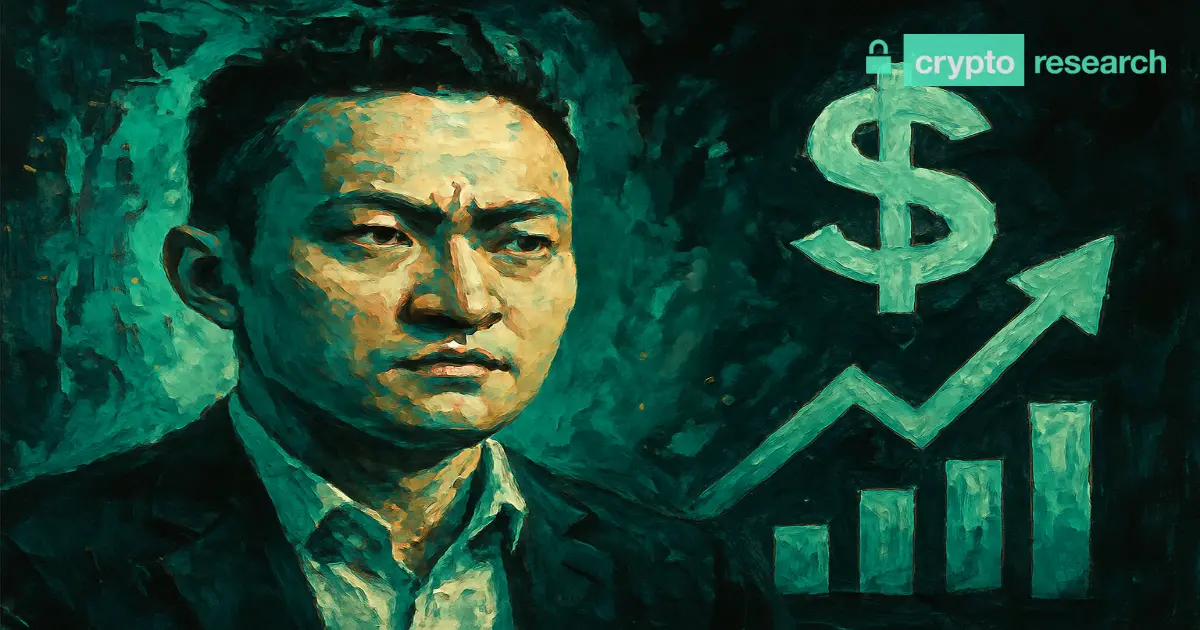


Justin Sun Sued Over WLFI Platform Mismanagement
Justin Sun, the founder of the Tron blockchain and CEO of BitTorrent, faces a $50 million lawsuit stemming from allegations of mismanagement linked to the WLFI platform, a decentralized finance (DeFi) project he launched in 2021. The suit, filed on April 10, 2026, in the Southern District of New York, claims that Sun breached his fiduciary duties and engaged in fraudulent practices that resulted in substantial financial losses for investors.
Background
Launched in 2021, the WLFI platform positioned itself as a cutting-edge DeFi project dedicated to offering users high-yield farming opportunities. Its rapid ascent to popularity was largely driven by Sun’s influence in the cryptocurrency sector, known for his ambitious initiatives and aggressive expansion strategies. Nevertheless, the project soon encountered significant challenges, including security breaches and liquidity crises, which severely undermined user trust and contributed to a marked decline in its user base.
By early 2026, investors began raising alarms over growing discrepancies in WLFI’s financial reports. This prompted an immediate internal audit that uncovered significant irregularities in fund management and allocation practices. The audit’s findings led to urgent concerns regarding the platform’s financial stability and the security of user assets. Regulatory bodies intensified their scrutiny, culminating in the recent lawsuit filed against Sun.
Key Details
The lawsuit initiated by a coalition of WLFI investors alleges that Sun misrepresented the financial integrity of the platform and failed to adequately disclose the material risks tied to their investments. The plaintiffs argue that these actions violated the Securities Exchange Act of 1934 and the Commodity Exchange Act, both of which regulate the trading of securities and commodities within the United States.
The investors are collectively pursuing $50 million in damages, asserting that this figure represents the total losses they sustained as a direct result of Sun’s alleged mismanagement. Additionally, the plaintiffs are seeking a court order that would require Sun to cease and desist from any further fraudulent activities, as well as a comprehensive accounting of WLFI’s financial transactions.
In response to the allegations, Sun’s legal team issued a strong denial of all claims. They asserted that WLFI had operated in strict compliance with all relevant laws and regulations. The statement underscored Sun’s commitment to transparency and safeguarding investor interests, expressing confidence that the court would deem the claims unfounded.
This lawsuit has garnered considerable attention within the broader cryptocurrency community, with various industry observers speculating on its potential ramifications for DeFi projects and their founders. Legal experts suggest that the outcome may establish a significant precedent regarding how courts handle disputes related to decentralized platforms and the responsibilities placed upon their creators.
Implications
The ongoing legal battle against Justin Sun underscores the intensifying regulatory scrutiny faced by DeFi platforms and highlights the accountability that comes with being a founder in this rapidly evolving sector. As DeFi continues to expand its influence in the financial landscape, increasing questions surrounding investor protection and the legal obligations of project leaders have emerged. This case may motivate other DeFi projects to reevaluate their governance frameworks and risk management protocols in order to mitigate future legal risks.
Outlook
As the legal proceedings unfold in the coming months, preliminary hearings are scheduled for May 2026. The cryptocurrency community is keeping a close watch on the case, as its verdict could significantly shape future regulatory frameworks governing DeFi operations and influence investor trust in the broader sector. The implications of this lawsuit extend beyond just Sun and WLFI; they could reshape the very dynamics of accountability and transparency among DeFi founders across the industry.