




Alright, so 2026 is shaping up to be a pretty interesting year for crypto, especially if you’re thinking about exchange-traded funds. We’ve seen a lot of stuff happen, and some of the top crypto ETFs are really starting to stand out. Whether you’re already deep into this or just starting to look around, figuring out these options is pretty important. Let’s check out some of the main players and why they might be worth a look for your investments.
Key Takeaways
- Several Bitcoin ETFs, like those from iShares, Fidelity, and Grayscale, are making waves, offering easier access to the digital asset.
- Ethereum ETFs are also on the horizon, potentially bringing more traditional investors into the crypto space.
- The Bitcoin halving event and increasing institutional adoption are seen as major drivers for crypto prices leading up to 2026.
- Decentralized finance (DeFi) is expected to become more integrated with traditional finance, expanding its reach.
- NFTs are moving beyond simple collectibles, finding practical uses in areas like digital ownership and access.
1. iShares Bitcoin ETF
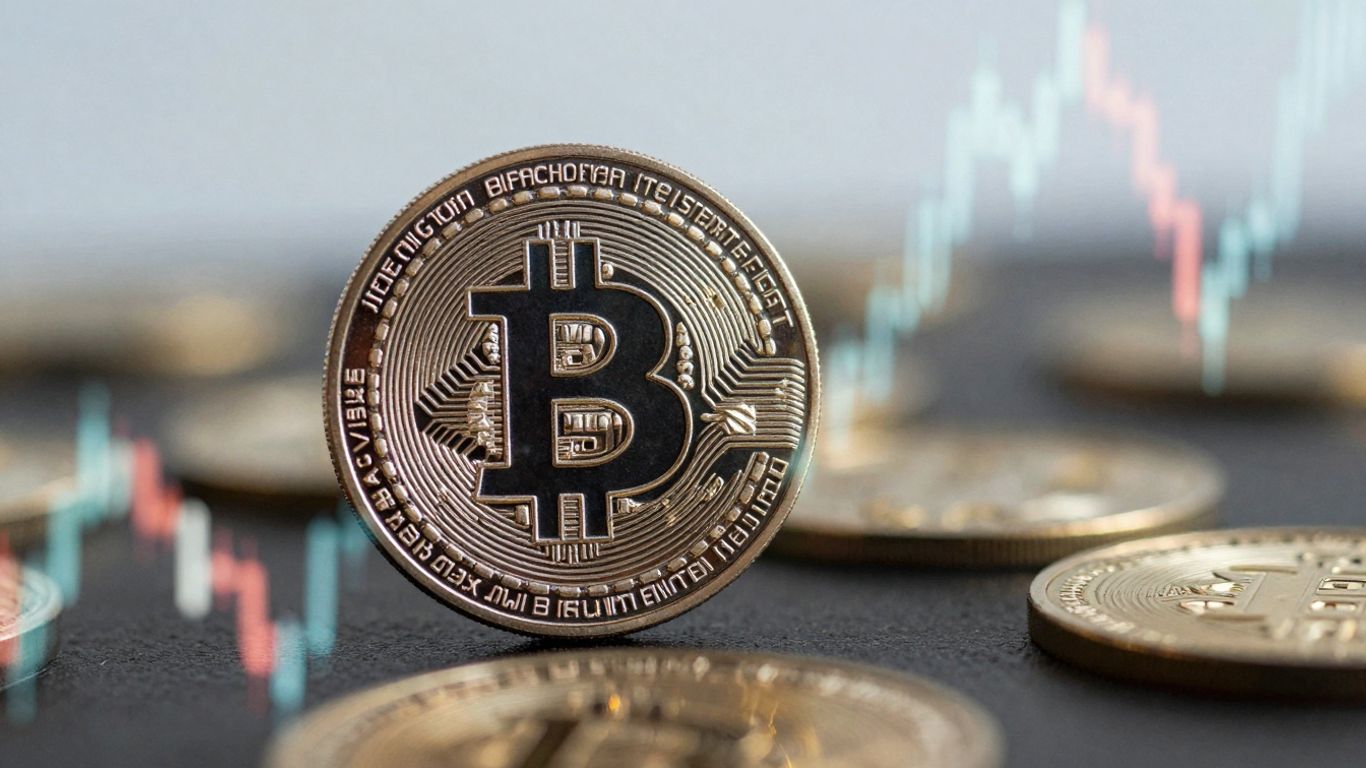
The iShares Bitcoin ETF, often called IBIT, has rapidly become a significant player in the crypto investment space. It’s one of the main spot Bitcoin ETFs, meaning it actually holds Bitcoin, not just futures contracts. This direct ownership is a big deal for investors wanting simple exposure to the digital currency.
When you look at different Bitcoin ETFs, a few things matter, and IBIT has some strong points. Its yearly fee is about 0.25%, which is pretty standard right now. It’s not the cheapest, but it’s competitive, especially when you consider other factors.
One area where IBIT really shines is its trading activity and how easy it is to buy and sell. It consistently has some of the highest dollar trading volumes among all Bitcoin ETFs. This means you can usually trade it without much price slippage, which can save money if you trade often. For people planning to hold for a long time, the yearly fee might be more important, but for active traders, saving on trading costs can add up.
The sheer amount of assets managed by IBIT shows how much the market accepts it and the trust investors have placed in it. This large asset base also helps keep its trading very liquid, making it easier to get in and out of positions without affecting the price much.
Here’s a quick look at some key numbers:
- Assets Under Management: Often over $70 billion, sometimes approaching $100 billion.
- Expense Ratio: Around 0.25%.
- Trading Volume: Much higher than most other spot Bitcoin ETFs combined.
- Liquidity: Very high, resulting in tight trading spreads.
While the ETF’s value has grown substantially, the average investor’s actual return has been lower. This suggests that timing and the amount invested play a big role in individual profitability, even with a strong ETF like iShares Bitcoin Trust ETF.
For those looking for a well-established option with high liquidity, IBIT is definitely worth a close look as you consider your 2026 investment strategy.
2. Fidelity Wise Origin Bitcoin ETF
When considering spot Bitcoin ETFs for 2026, the Fidelity Wise Origin Bitcoin ETF (FBTC) emerges as a notable choice. While the core function of these ETFs – holding Bitcoin – is consistent across the board, the distinctions often appear in the details, such as management fees and how easily shares can be traded.
Fidelity’s entry into this market has been positioned competitively. Its expense ratio, while not always the absolute lowest available, generally strikes a good balance for investors. Since its launch in early 2024, FBTC’s performance has largely mirrored that of its peers, indicating that the primary investment goal is being met consistently.
Here are some points to consider regarding FBTC:
- Expense Ratio: Fidelity has aimed for a competitive fee structure to attract investors seeking cost-effective Bitcoin exposure.
- Liquidity: The ETF benefits from substantial trading activity, which typically results in narrower bid-ask spreads. This can be advantageous for investors who trade more frequently, potentially lowering their overall transaction expenses.
- Brand Recognition: As a well-established financial institution, Fidelity’s name may offer a degree of comfort and familiarity to investors new to the cryptocurrency ETF space.
The decision between various Bitcoin ETFs frequently hinges on a thorough assessment of costs and trading efficiency. For many, the Fidelity Wise Origin Bitcoin ETF offers a practical blend of reasonable fees and solid liquidity, making it a sensible option for gaining exposure to Bitcoin through a regulated investment product.
3. Grayscale Bitcoin Mini Trust ETF
When considering the landscape of Bitcoin exchange-traded funds, the Grayscale Bitcoin Mini Trust ETF emerges as a noteworthy option, particularly for investors focused on minimizing expenses. This fund was introduced as a more accessible counterpart to Grayscale’s larger, established Bitcoin Trust. Its main draw is its notably lower expense ratio, which sets it apart from many other spot Bitcoin ETFs.
The Grayscale Bitcoin Mini Trust ETF boasts the lowest expense ratio among its spot Bitcoin ETF peers. This fee structure is a significant differentiator, designed to attract investors who are mindful of the ongoing costs associated with holding an ETF.
Key features include:
- Expense Ratio: At a mere 0.15%, it is considerably more cost-effective than many other spot Bitcoin ETFs. This translates to lower annual fees for every $10,000 invested.
- Liquidity: With substantial assets under management, the ETF maintains high liquidity, facilitating efficient trading throughout the market day.
- Trading Spreads: The fund typically exhibits tight trading spreads, which further reduces the overall cost of ownership for investors, especially those who engage in more frequent trading.
For investors prioritizing the lowest possible fees and efficient trading, the Grayscale Bitcoin Mini Trust ETF presents a strong case. Its design specifically targets retail investors seeking a cost-effective method to gain exposure to Bitcoin through an ETF structure.
While other ETFs might offer advantages in terms of trading volume or brand recognition, the Mini Trust ETF’s aggressive fee structure makes it a strong contender for those focused on minimizing expenses over the long term. Its structure aims to provide a direct and cost-efficient way to hold Bitcoin, making it a practical choice for many.
While other ETFs might have advantages in trading volume or name recognition, the Mini Trust ETF’s low fee structure makes it a compelling choice for those prioritizing expense reduction over the long haul.
4. Bitwise Bitcoin ETF
When considering the various Bitcoin Exchange Traded Funds (ETFs) available, the Bitwise Bitcoin ETF (BITB) stands out as a notable option for investors. While many spot Bitcoin ETFs share a similar structure, primarily focused on holding Bitcoin directly, the distinctions often emerge in the finer points, such as expense ratios and trading costs. Bitwise has positioned itself competitively in this regard.
The Bitwise Bitcoin ETF distinguishes itself with a competitive expense ratio, making it an attractive choice for cost-conscious investors.
Here’s a look at some key aspects:
- Expense Ratio: Bitwise generally offers an expense ratio that is among the lower end of the spectrum for spot Bitcoin ETFs. This means a smaller percentage of your investment is paid out in fees over time, allowing more of your capital to be directly exposed to Bitcoin’s performance. For instance, its expense ratio is typically lower than that of the iShares Bitcoin ETF.
- Trading Volume and Spreads: While perhaps not matching the sheer trading volume of some of the larger ETFs, Bitwise generally maintains sufficient liquidity. This translates to relatively tight trading spreads, which represent the difference between the buying and selling price. For investors who plan to hold their ETF shares for the long term, a slightly lower expense ratio might be more impactful than minor differences in trading spreads.
- Fund Structure: Like other spot Bitcoin ETFs, BITB directly holds Bitcoin. This provides investors with direct exposure to the cryptocurrency’s price movements without the complexities of managing private keys or wallets.
The cumulative effect of fees and trading costs can become significant over time. Therefore, examining these details is important for making an informed decision about which ETF best suits your investment strategy, especially when comparing functionally similar products like most spot Bitcoin ETFs.
5. Ethereum ETFs
Following the initial wave of Bitcoin-focused exchange-traded funds, the market is now seeing increased attention on Ethereum ETFs. As the second-largest cryptocurrency by market capitalization, Ether (ETH) powers a significant portion of the decentralized finance (DeFi) ecosystem and the burgeoning non-fungible token (NFT) market. The introduction of Ethereum ETFs offers a more accessible route for traditional investors to gain exposure to ETH without the complexities of direct digital asset management.
Several financial entities have been exploring or have formally filed for Ethereum ETFs. These products are designed to mirror the price movements of Ether, providing a regulated investment vehicle that can be traded through standard brokerage accounts. The structure is expected to be similar to existing Bitcoin ETFs, focusing on simplicity and direct asset tracking.
When evaluating Ethereum ETFs, several factors merit consideration:
- Expense Ratios: The annual management fees charged by the ETF provider. Lower fees can lead to better net returns over the long term.
- Liquidity and Trading Spreads: The ease with which ETF shares can be bought and sold, and the difference between the bid and ask prices. Higher liquidity and tighter spreads are generally preferred.
- Tracking Error: The degree to which the ETF’s performance deviates from the actual price of Ether. Minimizing this deviation is a key objective.
- Regulatory Landscape: Ongoing developments in cryptocurrency regulation will influence the approval and operational framework of these ETFs.
The development of Ethereum ETFs represents a natural progression in the digital asset investment space, signaling broader acceptance of cryptocurrencies within traditional financial systems. Ethereum’s foundational role in DeFi and NFTs makes it a compelling asset for investors looking beyond Bitcoin.
The potential for Ethereum ETFs to broaden access to ETH is significant. It allows individuals to invest in a major digital asset through familiar investment channels, potentially increasing capital flow into the broader digital asset market.
Investors should stay informed about regulatory updates and product launches as this segment of the market continues to mature.
6. Bitcoin ETFs: Fees and Trading Costs
When you’re looking at Bitcoin ETFs, the costs involved can really make a difference in your overall returns. It’s not just about the initial investment; you’ve got to think about the ongoing fees and how easy it is to buy and sell shares.
The expense ratio is a big one – it’s the annual fee you pay to the fund manager. Think of it like a subscription cost for holding the ETF. A lower expense ratio means more of your money stays invested and working for you. For instance, the Grayscale Bitcoin Mini Trust ETF has a very competitive expense ratio of 0.15%, which is quite low compared to others in the spot Bitcoin ETF group. This means for every $10,000 you invest, you’re paying just $15 per year in fees. This is a key factor for investors who plan to hold their ETF for a long time.
Here’s a quick breakdown of what to consider:
- Expense Ratios: These annual fees vary between ETFs. Some are as low as 0.15%, while others might be higher. It’s worth comparing these numbers carefully.
- Trading Spreads: This is the difference between the buying and selling price of the ETF’s shares. Tighter spreads mean you pay less when you trade, which is especially important if you plan to buy and sell frequently.
- Liquidity: A highly liquid ETF has plenty of buyers and sellers, making it easy to trade without significantly impacting the price. ETFs with large amounts of assets under management usually have good liquidity.
While many spot Bitcoin ETFs are structurally similar, the differences in their fee structures and trading costs can add up over time. For investors focused on minimizing expenses, paying close attention to these details is important for maximizing potential gains.
For example, the iShares Bitcoin ETF, while having a slightly higher expense ratio than some others, boasts incredible liquidity. This means its trading spreads are typically very tight, which can be a cost advantage for active traders. On the other hand, if you’re a buy-and-hold investor, a lower expense ratio, like the one offered by the Grayscale Bitcoin Mini Trust ETF, might be more beneficial. It’s a trade-off between the annual fee and the cost of executing trades. Understanding your own trading habits and investment horizon will help you pick the ETF that best suits your financial goals. You can find ETFs with the cheapest expense ratio in the spot Bitcoin ETF group at 0.15%.
7. Bitcoin’s Strategic Reserve
It’s interesting to see how Bitcoin is being viewed more like a national asset these days. Back in 2025, the U.S. government actually set up something called the Strategic Bitcoin Reserve. This move signals a big shift in how digital assets are perceived, moving them from a fringe concept to something with potential national importance. With the 20 millionth Bitcoin set to be mined in March 2026, the idea of a controlled reserve makes a lot of sense, especially when you look at the growing uncertainty surrounding fiat currencies.
This reserve isn’t just a symbolic gesture. It suggests that policymakers are considering Bitcoin’s role in the broader financial system. If the price of Bitcoin were to dip significantly, there’s speculation that the Treasury Department might step in to bolster the reserve, potentially using methods that don’t involve taxpayer money. This kind of government backing, if it happens, could really influence market sentiment and price action.
Here’s a look at why this reserve concept is gaining traction:
- Scarcity: With a fixed supply, Bitcoin’s inherent scarcity is a key factor. The predictable halving events, which reduce the rate of new Bitcoin creation, further emphasize this scarcity.
- Institutional Adoption: Major financial institutions are increasingly allocating capital to Bitcoin, often through ETFs. This broad acceptance lends legitimacy and stability to the asset.
- Global Interest: Other countries might follow the U.S. lead in establishing similar reserves, creating a coordinated approach to digital asset management.
The creation of a strategic reserve implies a recognition of Bitcoin’s potential as a store of value and a medium of exchange, especially in an era where digital assets are becoming more integrated into the global economy.
This development is particularly noteworthy when considering the increasing interest from traditional finance players. Many large banks are now advising clients to allocate a small percentage of their portfolios to digital assets, indicating a maturing market and a growing comfort level with Bitcoin as an investment.
8. Decentralized Finance (DeFi) Integration
Decentralized Finance, or DeFi, is steadily moving from a niche interest to a more integrated part of the wider financial landscape. This isn’t just about crypto enthusiasts anymore; it’s about how traditional financial systems might start interacting with these new digital tools. Imagine a future where options for loans or investments aren’t limited to your local bank but can connect with decentralized platforms, potentially offering more choices and competitive rates.
The growth projections for DeFi suggest a substantial increase in its market value over the next few years, indicating a significant shift in financial services.
Several key trends are shaping this integration:
- Tokenization of Real-World Assets (RWAs): This involves converting assets like stocks, bonds, or even property into digital tokens on a blockchain. This process could make these assets easier to manage, trade, and potentially more accessible to a broader range of investors.
- Bridging Traditional and Decentralized Systems: We’re seeing early efforts where established financial institutions are exploring connections with DeFi protocols. This could involve linking liquidity pools or using blockchain technology for faster transaction settlements.
- Increased Accessibility and Efficiency: By removing intermediaries, DeFi aims to lower fees and speed up transactions for services such as borrowing, lending, and trading, making financial services more efficient.
The move towards integrating DeFi into mainstream finance presents a complex path. It requires addressing regulatory questions, developing user-friendly interfaces, and clearly demonstrating benefits over current financial structures. However, the potential for greater efficiency and wider access to financial services is a strong motivator.
While the market is still developing, the direction points towards a future where decentralized and traditional finance systems coexist and perhaps merge in novel ways. This evolution could reshape our understanding of financial services in the coming years.
9. Non-Fungible Tokens (NFTs) Use Cases
NFTs, or non-fungible tokens, are really starting to show their potential beyond just being digital art or collectibles. By 2026, we’re likely to see them used in a lot more practical ways across different industries. Think of NFTs as unique digital certificates or keys that can prove ownership or grant access to something tangible or digital.
This shift means NFTs are moving from being purely speculative assets to becoming functional tools. This expansion into real-world applications could make NFTs a more integrated part of our digital and physical lives.
Here are some areas where NFT utility is expected to grow:
- Real Estate: NFTs could represent ownership of property, making buying and selling easier and more transparent. Imagine a digital deed for a house.
- Ticketing: Event tickets could become NFTs. This could help reduce fraud and make it simpler to resell tickets legally.
- Memberships: Clubs or online communities might use NFTs to grant access to exclusive content or manage member benefits.
- Gaming: In-game items and virtual land could be represented by NFTs, giving players actual ownership of their digital assets.
The evolution of NFTs suggests a future where digital ownership is more concrete and versatile. This move towards utility could broaden their appeal and integration into everyday transactions and experiences, moving them from niche collectibles to widely adopted digital assets.
The practical application of NFTs is expected to broaden significantly by 2026. This expansion could make NFTs a more integrated part of our digital and physical lives, moving them from niche collectibles to widely adopted digital assets.
10. Layer-2 Scaling Solutions

As the cryptocurrency space continues to grow, the need for faster and more affordable transactions becomes really important. This is where Layer-2 scaling solutions come in. Think of them as express lanes built on top of existing blockchains, like Ethereum, designed to handle more activity without slowing down the main network. By 2026, these solutions are expected to play a big role in how we use crypto.
These advancements aim to significantly boost transaction throughput and reduce fees, making blockchain technology more practical for everyday use. Several types of Layer-2 solutions are gaining traction:
- Rollups: These bundle many transactions off-chain and then submit a single, compressed record to the main blockchain. This drastically cuts down on the data that needs to be processed by the main network.
- State Channels: These allow participants to conduct numerous transactions off-chain, only settling the final state on the main blockchain when the channel is closed.
- Sidechains: These are separate blockchains that run parallel to the main chain, connected by a two-way peg. They can have their own consensus mechanisms and rules, offering flexibility.
The ongoing development and adoption of Layer-2 solutions are critical for the mainstream integration of blockchain technology. Without them, the high fees and slow transaction times associated with some major blockchains could hinder widespread use, especially as more complex applications and a larger user base emerge. Even Bitcoin’s network is seeing exploration into Layer-2 solutions to improve its transaction capacity. The success of these scaling technologies will be a key indicator of the crypto market’s ability to handle growth and innovation in the coming years.
These solutions are not just theoretical concepts; they are actively being developed and integrated, promising to make decentralized applications (dApps) more accessible and affordable for everyone.
Looking Ahead: The Evolving Crypto ETF Landscape
As we wrap up our look at crypto ETFs for 2026, it’s clear the market is still pretty wild. We’ve seen how Bitcoin ETFs are becoming a bigger deal, and while they all do pretty much the same thing, the small differences in fees and trading costs can add up. Beyond Bitcoin, things like DeFi and NFTs are expected to grow, and maybe even become more normal. It’s a lot to keep track of, and remember, this stuff is still risky. Investing even a little bit might be worth considering for some, but it’s not a sure thing. Always do your own homework before putting any money in.
Frequently Asked Questions
What are the best crypto ETFs to consider for 2026?
For 2026, investors are looking closely at several top crypto ETFs. The iShares Bitcoin ETF and the Fidelity Wise Origin Bitcoin ETF are big names to watch. Also, keep an eye on the Grayscale Bitcoin Mini Trust ETF, which is known for its lower fees. As they become more established, Ethereum ETFs are also expected to draw more interest.
How do Bitcoin ETFs compare to each other?
Most spot Bitcoin ETFs are pretty much the same because they all invest directly in Bitcoin. The main differences to consider are the fees they charge (expense ratios) and how easy it is to trade them (trading costs). Even small differences in these costs can add up over time, so it’s smart to compare them carefully.
Will the U.S. government invest in Bitcoin?
There are signs that the U.S. government might get more involved with Bitcoin. The creation of a ‘Strategic Bitcoin Reserve’ shows growing interest. If the price of Bitcoin were to drop, the Treasury Department might consider buying more, which could significantly boost its price, especially if other countries follow suit.
What is Decentralized Finance (DeFi) and why is it important?
Decentralized Finance, or DeFi, is like traditional banking but uses blockchain technology. It offers services like loans and trading without needing a central bank. DeFi is becoming more connected with regular finance, potentially giving people more choices and better deals. Its market is expected to grow a lot.
Are Ethereum ETFs going to be available soon?
Yes, the market for Ethereum ETFs is developing. These ETFs would allow people to invest in Ether (ETH) through regular investment accounts, similar to how they buy stocks or Bitcoin ETFs. This could make it easier for more people to invest in Ethereum without the hassle of managing digital wallets.
What are Layer-2 scaling solutions in crypto?
Layer-2 scaling solutions are like express lanes for blockchain networks. They help speed up transactions and lower fees, making applications on blockchains like Ethereum more affordable and faster to use. These solutions are crucial for blockchain technology to handle more users and complex applications in the future.